Ledyatt Loch Trout Fishery
BackLedyatt Loch Trout Fishery presents itself as a dedicated stillwater venue for anglers who are serious about chasing quality trout rather than simply ticking numbers off a tally. The emphasis here is firmly on well-conditioned fish, a managed environment and a clear identity as a big-fish water, which has earned it a reputation among fly anglers across Scotland and further afield.
The fishery centres on a regularly stocked loch holding Rainbow, Brown and Blue trout, with many fish reaching genuinely impressive sizes, including specimens reported well into double figures and beyond the twenty‑pound mark in some cases. Anglers often talk about personal‑best fish and memorable battles, underlining that this is not a typical put‑and‑take water where every fish feels the same. For those targeting trophy fish on stillwater, Ledyatt operates in the niche of a dedicated big‑fish venue rather than a casual day‑ticket pond.
One of the strongest aspects repeatedly mentioned by visitors is the quality and condition of the stock. Fish are described as hard‑fighting, well‑finned and full of energy, with distinctive colours that reflect a diet based on abundant natural food in the loch. This natural feeding is supported by the surroundings, where sedge, damsels, daddies and hawthorn flies are frequently seen, providing a genuine food source rather than relying solely on pellets. That combination of careful stocking and natural insect life is a key draw for anglers who want more authentic sport from their trout fishing.
In terms of type of fishing, Ledyatt is predominantly a fly‑only stillwater, with anglers using a wide range of tactics from buzzers and nymphs through to lures and dries. The loch also offers a separate children’s pool where bait fishing is permitted, giving families an accessible way into the sport without detracting from the fly‑only ethos on the main water. For many visiting anglers, this dual approach allows experienced rods to focus on technical fly fishing while newcomers or younger anglers can simply enjoy seeing a float dip.
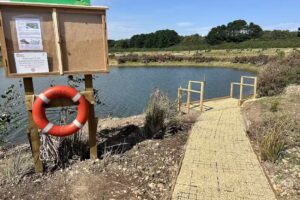
The venue has invested in infrastructure that makes it feel more like a purpose‑built fishery than a basic farm pond. Fishing platforms have been installed around the water, with capacity for several dozen anglers at any time and some pegs adapted for wheelchair access. This layout helps to spread anglers out and, when the fishery is not overly busy, provides room to move between spots as conditions change. For those who value accessibility, the presence of disabled‑friendly platforms is an important practical advantage.
Facilities on site add to the overall experience. A fishing lodge provides shelter, refreshments and a modest selection of tackle and terminal gear, meaning that an angler who forgets a key item is not necessarily facing a wasted trip. Hot food and soft drinks are mentioned positively in several accounts, and there is ample parking close to the water, which is appreciated by those carrying a lot of equipment. These facilities are particularly useful for longer sessions or for anglers travelling from further afield.
From a setting point of view, the fishery benefits from its position in the Sidlaw Hills, with open aspects and wide views over the surrounding countryside. For many visitors, this contributes to a sense of calm and escapism that complements the fishing itself. The banks have been landscaped and planted to sit comfortably in the landscape, and this attention to the environment is part of the appeal for anglers who enjoy an attractive backdrop as much as the fishing.
Staff and management receive frequent praise from a large proportion of visitors. Bailiffs and regular staff are typically described as welcoming, down‑to‑earth and knowledgeable about the water and current conditions. Many anglers note that advice on fly choice, depth and location is offered freely, which can be invaluable to those visiting for the first time. Positive feedback commonly highlights the team’s commitment to fish welfare and maintaining a high standard on the water.
That said, experiences are not uniformly positive, and a balanced view must take into account some critical feedback. A small number of anglers report feeling overcharged or disappointed with aspects of customer service, including comments about communication style and perceived attitude from management. These views sit alongside a much larger body of enthusiastic reviews, but they indicate that not every visitor feels the ethos of the fishery aligns with their expectations, especially regarding how rules, tickets or on‑the‑day decisions are handled.
Another recurring criticism relates to clarity around opening status. There are accounts of anglers arriving to find the gates closed despite online information indicating that the fishery was open. For those who have travelled a considerable distance, this can understandably create frustration and a sense of wasted time and expense. While such situations may be linked to weather, maintenance or short‑notice changes, they highlight the importance of checking for up‑to‑date information and, where possible, confirming directly before setting off.
The fishery’s rules are structured around protecting larger fish and sustaining the big‑fish focus. Measures such as mandatory barbless or crushed‑barb hooks and returning fish above a certain weight are designed to safeguard prime specimens and keep them in the water for longer. Limits on how many fish can be taken from a single area before moving on also aim to spread angling pressure around the loch. For some anglers, these rules are a positive sign of serious fishery management and a commitment to fish welfare; others who prefer more relaxed conditions may find the structure a little restrictive, particularly if they are used to less regulated waters.
On the water, reports suggest that conditions can be demanding at times, especially when weather or air pressure suppress feeding behaviour. Some anglers comment on tough sessions with few takes, followed by sudden windows of intense action where large fish are hooked in quick succession. This pattern is not unusual on a stillwater that holds heavily‑conditioned fish, but those who arrive expecting easy fishing on every visit may be surprised. Persistence, changing patterns and adjusting depth are frequently mentioned as keys to success, which is likely to appeal to more experienced anglers who enjoy the challenge.
For visiting fly anglers, the variety of tactics that can be effective is one of the attractions. Buzzers and nymphs play an important role when fish are feeding naturally, while lures, streamers and fry patterns come into their own during colder spells or when bigger fish are hunting. Dry flies and emergers can provide exciting sport in the right conditions. Anglers looking for a technical venue to refine their stillwater techniques will find that Ledyatt offers plenty of scope to work on presentation, retrieve and fly choice.
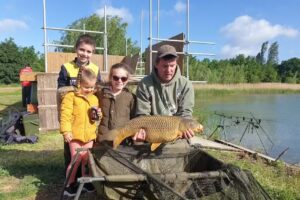
Because the fishery specialises in larger trout, it has become known as a place to target so‑called “mega” fish. This branding is not just marketing: visiting anglers report seeing and occasionally landing double‑digit Browns and Rainbows, as well as losing fish that feel substantially bigger. Stories of broken leaders and long, powerful runs are common, and many anglers talk about these encounters as standout moments in their angling year. Those specifically seeking a venue where a genuine specimen is a real possibility may find that this focus justifies the trip.
For families or mixed‑ability groups, the children’s pool offers a more forgiving introduction to coarse and game angling techniques. Here, the use of bait is allowed, which can speed up the learning process and keep younger visitors engaged. This feature also makes Ledyatt more accessible for those who have not yet invested in specialist fly‑fishing equipment but are curious about spending time beside the water and perhaps progressing to fly tackle later.
Accessibility and travel are practical considerations for potential visitors. Situated within reasonable driving distance of a major city and main roads, the fishery is reachable for day trips while still feeling like a rural destination. The availability of parking and purpose‑built platforms means that anglers are not faced with long walks over rough ground to reach the water, which can be an important factor for those with limited mobility or heavy gear.
From the perspective of someone comparing different venues, Ledyatt sits firmly in the category of a managed stillwater focused on quality trout rather than a multi‑species or coarse fishery. Anglers whose main interest is stalking big, hard‑fighting trout on flies will find a setting and stock profile that align with that aim. Those who prefer relaxed bank fishing with bait for mixed species may find other venues better suited, although the children’s pool does offer some crossover. It is therefore worth considering your preferred style of trout fishing when deciding whether this fishery matches your priorities.
When weighing up the strengths and weaknesses, the dominant themes emerging from visitor feedback are impressive fish, attractive surroundings, solid facilities and helpful staff on most days, tempered by occasional issues around communication, perceived value and last‑minute closures. For many anglers, the chance of connecting with a powerful trout in a carefully managed environment outweighs the potential downsides, particularly if they take the time to check current information and arrive with realistic expectations about conditions.
Overall, Ledyatt Loch Trout Fishery offers a distinctive proposition within the wider scene of UK stillwaters. The combination of trophy‑sized fish, structured fishery management, dedicated platforms and a focus on fly tactics makes it an appealing option for anglers looking to invest time and effort into a venue where each take could come from a memorable fish. Those planning a visit are well advised to prepare their fly fishing tackle carefully, pay attention to local advice on patterns and methods, and allow enough time on the water to make the most of what this specialist trout fishery can offer.