Markle Fisheries
BackMarkle Fisheries is a long‑established trout and coarse fishery that attracts a mix of dedicated anglers, families and beginners who want straightforward access to well‑stocked waters and relaxed bank fishing. While opinions vary on some practical aspects such as access and facilities, the venue has built a reputation as a friendly, down‑to‑earth place to spend a day with rod in hand, with plenty of chances to connect with quality fish rather than simply sit waterside hoping for a bite.
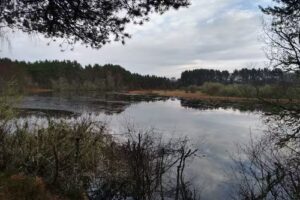
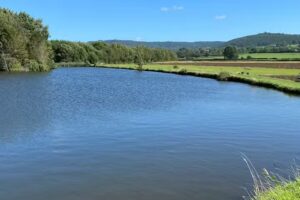
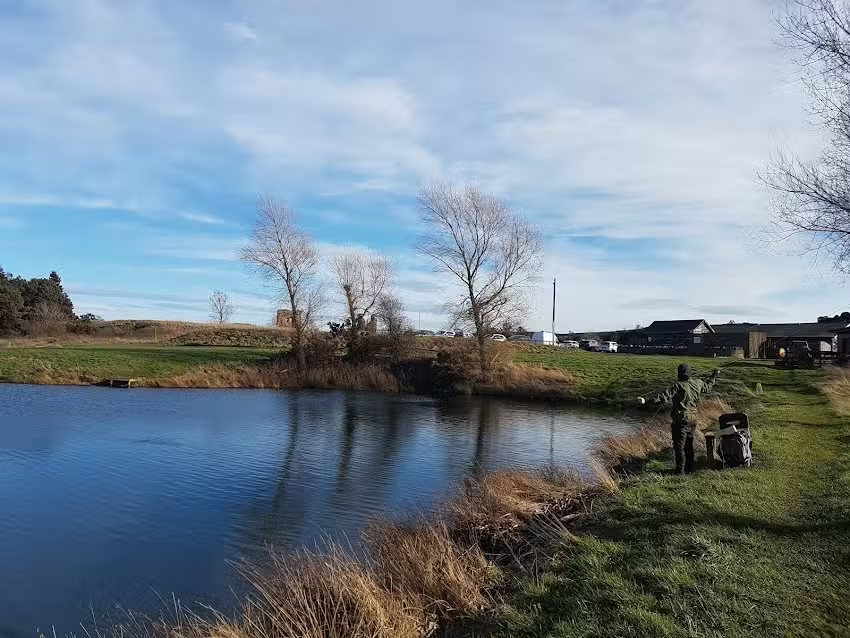
The layout revolves around three spring‑fed lochans known as Markle, Monastery and Kin Loch, each offering different styles of sport and depths, so regular visitors can change tactics and locations without leaving the site. Bank access is a core feature, and many anglers appreciate being able to walk and reposition rather than rely on boats, which suits those who prefer a mobile approach with fly or bait setups. Because the waters are spring fed, they tend to remain clear and cool for much of the year, which helps maintain fish condition and can lead to lively takes, especially on lighter tackle.
For anglers interested in variety, Markle Fisheries stocks an assortment of trout strains that goes beyond standard rainbows, with browns, blues, brookies, golden trout and the increasingly popular tiger trout all reported in the lochs. This spread gives more experienced fly fishers a reason to fine‑tune their approach, while newcomers are often simply pleased to land a hard‑fighting rainbow that gives their reel a proper workout. Regulars comment that the fish are generally in good condition and can reach respectable sizes, with occasional heavier specimens that test knots, leaders and playing skills.
One recurring theme from visitors is that Markle can produce memorable sessions when conditions align. Some anglers recall returning after many years to find a more mature, better‑kept setting, and reporting afternoons filled with consistent action and strong, fit fish. Stories of standout captures, such as mid‑single‑figure rainbows or a first tiger trout around the three‑pound mark, suggest that the stocking policy includes both bread‑and‑butter fish and a smattering of more impressive specimens for those who put in the time. These experiences contribute to a sense that, on its day, Markle remains a rewarding stillwater option in the region.
Beyond individual catches, Markle Fisheries is often viewed as a sociable and approachable venue. Staff are frequently described as friendly, patient and happy to help sort permits, offer basic advice on flies or baits, and support younger or less confident anglers. Families in particular value the atmosphere around the bait pond, where children can try their luck with simple setups under the eye of supportive staff who suggest sensible tactics such as worms or floats when bright weather or water clarity makes fish cautious. This attitude helps ease newcomers into the sport without overwhelming them with jargon or pressure.
The fishery is structured to cater for both fly and bait anglers rather than focusing on a single discipline, which is a clear strength. Two of the lochs are reserved largely for fly fishing, giving space for casting and more traditional stillwater tactics, while a dedicated bait pond provides easier access and high‑confidence methods for juniors or those not yet comfortable with fly rods. This separation can reduce friction between different angling styles and allows people to choose the water that matches their ability level and expectations for the day.
From a facilities perspective, Markle provides several services that make a day’s fishing more convenient. Visitors can typically find tackle for sale on site, which is useful when leaders, flies or other small items are forgotten. Rod hire is available by prior arrangement, removing a major barrier for those who do not yet own their own gear but want to get started. There are also basic comforts such as hot and cold drinks, toilets and an anglers’ bothy that can be used for shelter or socialising, with the added bonus of a barbecue area for group days or club meets.
Group and corporate bookings are encouraged, and the layout of the three lochs means parties can spread out while still feeling part of a shared event. Coaching or tuition can be arranged, giving beginners a structured introduction to casting, playing fish and handling them properly on the bank. These aspects make Markle an option not only for individual anglers but also for businesses, clubs or families looking to organise an activity that balances gentle competition, outdoor time and the chance to take a fish or two home within fishery rules.
For those with mobility considerations, there are positives and limitations. The general terrain around the lochs is relatively gentle, and there is a large parking area adjacent to the main lodge, allowing people to park close to the fishing. The venue is also described as having an accessible entrance, which makes arrival more straightforward for visitors who use wheelchairs or have reduced mobility. However, the natural banks, grassy edges and occasional uneven ground may still present challenges in wet weather or for those who require fully surfaced paths, so expectations should be set accordingly and personal needs considered in advance.
One of the more consistent criticisms centres on the access road leading into the fishery. Several visitors describe the track as potholed and rough, noting that it can feel more suited to a vehicle with greater ground clearance than a small car. Although efforts have reportedly been made at times to repair sections, this remains a point that detracts from the overall experience for some anglers, who would otherwise rate their visit more highly. Those driving to Markle would be wise to allow a little extra time and take the final stretch slowly to avoid discomfort or potential damage to their vehicle.
Another minor drawback mentioned by some bait‑pond visitors is the lack of fixed seating at certain pegs. Families bringing children may find it more comfortable if they remember to bring portable chairs, especially on warm or lengthy sessions when standing for long periods becomes tiring. This is a manageable issue with a bit of planning, yet it is worth noting for those who are used to fisheries with benches or platforms at every stand. On busier days, limited seating might also make it slightly harder for older visitors to remain comfortable into the afternoon.
The physical environment around Markle Fisheries is often praised for being tidy and well kept, with banks maintained in a way that encourages easy casting while still feeling natural rather than overly manicured. Regular stocking helps keep catch rates steady, and reports of clean, well‑finned fish suggest that handling and fish welfare are taken seriously. On bright days, anglers may need to adjust tactics with finer leaders or more subtle presentations, but the clear water also adds to the visual appeal, especially when fish can be seen cruising or following flies near the surface.
Anglers planning a trip should be aware that operating arrangements can evolve. At times in recent years there have been questions online about periods of temporary closure, especially around regulatory or operational changes, so it is sensible to check for the latest updates from the fishery before travelling. Social media pages and angling forums occasionally discuss whether the fishery is open, so prospective visitors who rely on longer journeys may wish to confirm current status and any special conditions by consulting recent information sources.
Price structures at Markle have historically aimed to offer a balance between session length, number of fish retained and catch‑and‑release options. Full‑day and half‑day tickets with set kill limits have been common, along with deals where anglers can continue on a release basis after reaching their bag limit, and there have also been pure release tickets for those who prefer not to take fish home. While exact prices can and do change over time, feedback from visitors often notes that, compared with some alternatives, sessions here feel reasonably priced for the amount of water and the quality of sport available.
Beginners frequently find Markle a forgiving place to start because of the combination of easy‑access banks, clearly defined bait and fly areas, and the presence of staff who are willing to suggest rigs or flies that work under current conditions. Recommendations such as simple float and worm setups on the bait pond, or straightforward stillwater patterns on the fly lochs, mean that newcomers do not need extensive prior knowledge to stand a realistic chance of success. This accessibility is reinforced by occasional competitions or seasonal events that give regulars and first‑timers alike something to aim for beyond a standard day ticket.
Experienced fly anglers, on the other hand, tend to focus on the variety of trout available and the opportunity to refine their approach. The presence of fish such as tiger trout encourages the use of different retrieves, fly profiles and depths, and some visitors enjoy rotating through the lochs to match hatches, light levels and wind direction as the day goes on. While like any stillwater, Markle can become challenging during pressure changes or very bright weather, its combination of structure, depth and stocking policy gives more seasoned anglers enough to work with if they are prepared to adapt.
In terms of overall character, Markle Fisheries sits somewhere between a basic, no‑frills venue and a more fully equipped commercial stillwater. The presence of a small tackle outlet, hot drinks and an anglers’ bothy gives it a social and practical core, yet the emphasis remains firmly on time spent by the water rather than on-site entertainment or elaborate facilities. For many anglers this balance feels appropriate, providing what is needed for a comfortable session without distracting from the fishing itself. Those seeking luxury surroundings may find it relatively simple, whereas those who value straightforward access to fishable banks and a mix of species often see that as part of its appeal.
From a neutral standpoint, Markle Fisheries offers a number of clear strengths: diverse trout species, three distinct lochs, friendly staff, and accessible bank fishing backed by on‑site tackle sales and rod hire. Against this stand some drawbacks such as the rough access road, patchy seating at the bait pond and occasional uncertainty over opening status that requires a little extra checking before setting off. Prospective visitors weighing these points can decide whether the combination of well‑stocked waters and practical, if modest, facilities aligns with what they want from a day’s angling. For many, the chance of lively sport in a straightforward setting continues to make Markle a fishery worth considering among the options available in the region.
Key strengths for anglers
- Three spring‑fed lochans with bank access for varied stillwater trout fishing and coarse options.
- Mix of rainbow, brown, blue, brook, golden and tiger trout providing interest for both beginners and seasoned fly anglers.
- Dedicated bait pond well‑suited to families and newcomers, with straightforward methods and frequent bites on offer.
- On‑site tackle sales, rod hire by arrangement and tuition when booked in advance, reducing barriers for those new to the sport.
- Friendly, helpful staff and a sociable atmosphere supported by an anglers’ bothy and group booking options.
Points to consider before visiting
- Access road reported as rough and potholed, so drivers may prefer to approach slowly and be cautious in smaller vehicles.
- Limited fixed seating at some bait‑pond pegs, making portable chairs a sensible addition for families and older anglers.
- Natural banks and grassy edges may be challenging for some visitors with mobility issues despite generally gentle terrain.
- Operating status and arrangements can change, so checking recent updates from the fishery is advisable before travelling.
- Conditions such as bright sunshine and clear water can make fish more selective, requiring some flexibility in tactics.
For those searching online for a venue that offers trout fishing, fly fishing and bait fishing opportunities with bank access, Markle Fisheries stands as a realistic option to place on the shortlist. Anglers who value a mix of species, approachable staff and practical facilities are likely to find plenty to appreciate, provided they weigh the practical caveats around access and comfort on the banks. In this sense the fishery provides a fair, balanced proposition: solid prospects for a bend in the rod, delivered in straightforward surroundings that reflect its long‑running role in the regional angling scene.