Cairn Farm Fly Fishery
BackCairn Farm Fly Fishery presents itself as a focused destination for anglers who enjoy dedicated stillwater fly fishing for stocked trout rather than a mixed-activity venue. The fishery is set around a compact 3.5‑acre lake, giving visiting anglers a contained water that is large enough to offer variation yet small enough to get to know in detail over repeat visits, which appeals to those who like to refine their approach on familiar water. The emphasis here is firmly on fly fishing for quality trout, so prospective visitors who are specifically seeking a well‑stocked, fly‑only water will find the core offer clear and straightforward.
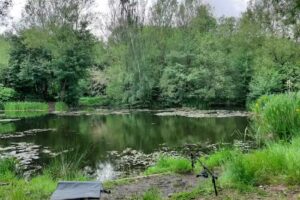
The lake itself is designed with anglers very much in mind. With approximately 25 pegs and full 360‑degree access around the shore, there is scope to cover all areas of the water without feeling restricted to one bank or cramped into a small corner. This layout is especially useful for those who enjoy stalking cruising fish or adjusting their position to take advantage of changing wind direction and light, something that more experienced anglers often value when choosing a trout fishery. Reports highlight depths of up to around 30 feet, which helps keep the lake largely weed‑free throughout the year, giving consistent sub‑surface presentation and reducing the frustration that can come from constantly fouling flies in submerged vegetation.
Stocking policy is a major attraction at Cairn Farm Fly Fishery. The water is regularly stocked with hard‑fighting rainbow trout, with fish reported from typical stillwater sizes up to specimens in the high‑teens and around the 20 lb bracket. Anglers note that even the smaller fish tend to fight well above their weight, which suggests active, fit stock rather than lethargic fish that have been in the water too long. For many visitors, the possibility of hooking into a double‑figure trout while still having plenty of takes from more modest fish makes this an appealing venue when planning a day’s rainbow trout fishing with realistic chances of both volume and quality.
Feedback from visitors often mentions strong sport and memorable fish. Anglers who are relatively new to the sport note that they have been able to catch consistently over short visits, including surface action at times, which indicates that the fish respond to a variety of methods and conditions. Some have landed their first ever double‑figure trout here, describing the experience as enough to get them truly committed to fly fishing. More experienced visitors speak highly of the fight given by the fish, with comments that smaller trout can feel significantly larger on the line, adding to the excitement for those using lighter fly rods and finer leaders.
The fishery’s surroundings are typically described as peaceful and scenic rather than remote, combining a countryside setting with reasonable accessibility. For many anglers, this balance is important: close enough for a convenient day session, yet removed from heavy traffic and urban noise. The location between Carrickfergus and nearby rural areas means that it can suit both local regulars and visiting anglers willing to travel for a productive stillwater. This makes Cairn Farm Fly Fishery a realistic option when shortlisting fishing lakes for a dedicated session rather than a long‑distance destination that requires overnight stays.
On‑site facilities are functional and aimed at making a full day session more comfortable without turning the venue into a leisure complex. A simple tea hut provides basic amenities such as a fridge, microwave, hot water boiler, and seating, giving anglers the chance to prepare hot drinks and food between spells on the bank. There is also a toilet on site and parking close to the water, which practical‑minded visitors often appreciate, especially when carrying multiple fishing rods, tackle bags and nets. These facilities are not luxurious but align well with a working fishery that prioritises the water and fish over elaborate extras.
Another positive frequently mentioned is the attitude of the current management. Under relatively new stewardship, anglers remark that the fishery feels well run, with a visible presence from those in charge and a willingness to talk to visitors. Names such as Andy and Sarah are mentioned by regulars who describe them as approachable and involved, which can make a noticeable difference to the overall experience. Having a bailiff or owner on hand who is open to questions about tactics, stocking and safety can help less experienced anglers feel more confident when visiting a fly fishing lake for the first time.
Good organisation is also reflected in comments about the general condition of the fishery. Visitors highlight that paths and pegs are kept in usable condition, and the water clarity is often praised, particularly given that it is spring‑fed. Clear water can make fishing more challenging on bright days, as trout may become wary of heavier leaders or clumsy casts, but it also favours more technical approaches and can reward careful presentation. For anglers who enjoy the more refined aspects of trout fly fishing, such as matching fly size and profile to visible fish behaviour, clarity is seen as a benefit rather than a drawback.
In terms of value, informal comments indicate that day tickets are competitively priced compared to similar stillwaters, with options that allow anglers to stay from early until late for a single fee. Some visitors specifically mention that they consider the cost fair for a full day of quality sport with the realistic chance of several fish and the possibility of a specimen. Social media updates from the fishery suggest that prices have been held steady across seasons, which can be reassuring for regulars planning frequent trips and for those budgeting for coarse and game fishing outings over the year.
Cairn Farm Fly Fishery does, however, have some aspects that prospective visitors should consider carefully. As with many popular small stillwaters, space can feel limited at busy times, particularly at weekends or during periods of strong fishing. With around 25 pegs, there is scope for a reasonable number of anglers, but when the bank is full it may be harder to move around in search of rising fish or to get away from others. This is not unique to this fishery, but those who prefer very quiet banks may wish to plan visits for off‑peak days, especially if they are working on more delicate fly casting or simply prefer solitude.
Another point to note is that the focus is firmly on fly fishing rather than multi‑discipline angling. Those who are looking for carp fishing, bait‑based coarse methods or spinning will not find those options catered for here. While this clarity helps keep the water aligned with fly anglers’ expectations, it does mean that mixed groups where some members do not fly fish may need to choose another venue or be prepared to restrict methods. For visitors who are still transitioning from bait to fly, this can be motivating but also a little intimidating if they are not yet confident with their casting and fly choice.
Weather and water conditions can also present challenges. The relatively open setting can leave the lake exposed to wind on certain days, which affects casting and presentation, especially for those using lighter lines. On the other hand, deeper sections and the absence of heavy weed growth tend to keep fishing possible in a wider range of conditions than some shallow, heavily vegetated ponds. Anglers who plan ahead with suitable fly lines and a range of patterns to fish at different depths are likely to get the most from the water, while those who rely on one or two favourite flies might find some sessions less productive if trout are feeding at a different level.
Accessibility around the lake is generally good, and information indicates that there is a wheelchair‑accessible entrance, which can be a decisive factor for anglers with mobility needs. Not every peg will necessarily be ideal for wheelchairs or those with limited movement, so it is sensible to make contact in advance and discuss which areas are most practical. For many visitors, the ability to fish close to parking and facilities, without long walks over uneven ground, is a key advantage when looking at fishing venues for regular trips.
The social side of the fishery is another element that potential customers may weigh up. Reviews frequently mention a friendly atmosphere, with anglers describing how they and their family members feel welcome on the bank. Some visitors fish with their children and emphasise that their younger anglers enjoy the experience, particularly when they are able to connect with active fish in a manageable environment. For those who like to talk tactics, compare fly patterns and share stories, this kind of community feel can be a strong plus, though anyone seeking complete seclusion might prefer quieter times of day.
In terms of tactics and approach, while formal guidance from the fishery is relatively limited, the combination of depth, regular stocking and clear water means that a wide range of methods can be effective. Anglers report success with surface techniques during periods of active feeding, indicating that dry flies and emergers can be productive, while the depth suggests that intermediate and sinking lines with lures or nymphs are also worth having in the box. This allows visitors to treat Cairn Farm Fly Fishery as a water where they can practise and refine different styles of fly fishing for trout, from imitative patterns to more attractor‑based approaches.
Regulation‑wise, Cairn Farm Fly Fishery is listed among private fisheries open to the public, where anglers require the appropriate rod licence and a permit or day ticket. This positions the venue within the broader network of managed stillwaters in Northern Ireland that support structured, ticket‑based game fishing rather than informal, unregulated access. For visiting anglers unfamiliar with local requirements, it is important to ensure that licensing obligations are met before arriving, which is standard practice across similar fisheries.
Overall, Cairn Farm Fly Fishery offers a focused stillwater fly fishing experience centred on well‑stocked, clear water with regular stockings of strong rainbow trout, practical facilities, and a management team that is engaged with its visitors. There are trade‑offs: limited methods, the possibility of busy banks at peak times, and conditions that can be technically demanding in clear or windy weather. For anglers who value consistent access to quality trout, the chance of double‑figure fish, and a friendly, straightforward venue where the emphasis is firmly on fly fishing for rainbow trout, Cairn Farm Fly Fishery stands out as a solid option to consider when choosing where to spend a day on the bank.