Kincardine Fishing Beat
BackKincardine Fishing Beat is a carefully managed stretch of the River Dee that attracts anglers who value characterful water, thoughtful facilities and a focus on traditional fly casting rather than heavily commercialised tourism. From the outset it feels like a beat designed for people who genuinely enjoy working a river for salmon and sea trout, rather than somewhere geared solely towards numbers of fish or luxury add-ons.
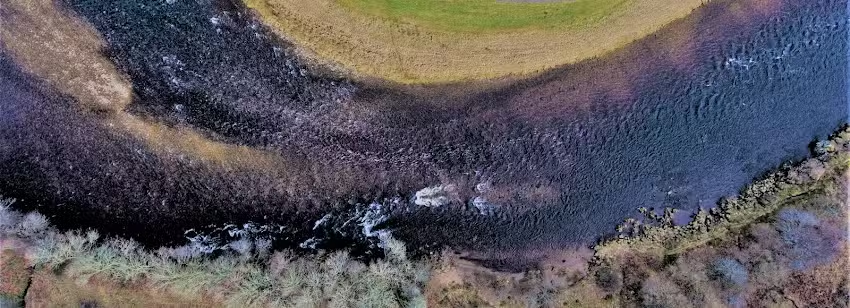
Covering roughly 1.25 miles, the beat offers varied pools and glides that appeal to those looking for classic salmon fishing and dedicated sea trout fishing on a well-regarded Scottish river. The layout of the water is one of its main strengths: pools such as the March and Calm Pools, Lucky Hole, Whinbush and Clay Pot are all mentioned regularly by experienced anglers as dependable lies that fish in many different river heights.
For many visitors the biggest draw is the quality of the fly water. The beat is described consistently as superb fly fishing water that fishes well at a wide range of levels, allowing regulars to return through the season and still find productive conditions. At normal flows much of the river can be covered effectively from the bank, which is appealing for anglers who prefer not to wade aggressively or who may be less confident in heavy current. This bank-friendly nature also makes the beat suitable for mixed ability groups, where some guests are seasoned spey casters and others are still developing their technique.
In higher water, the character of the beat changes rather than shutting down. When the river rises, features such as the Ford come into their own and can present interesting opportunities for those who know how to read heavier flows. Most of the named pools remain fishable in different guises, so anglers who enjoy working through conditions rather than waiting for a narrow “perfect” height tend to appreciate Kincardine’s reliability.
The beat is regularly highlighted for offering some of the best sea trout sport on the Dee on a rod-for-rod basis, particularly for anglers willing to target fish at night in the summer months. While some sea trout do turn up during the day, the more committed night fishermen are often the ones who get the most out of the water, using small flies and careful presentation under cover of darkness. This makes Kincardine especially appealing to experienced trout and salmon anglers who enjoy the quiet focus of true night fishing and are comfortable with the extra preparation it requires.
Seasonality is important here. The beat is fished from early February to mid-October, echoing the wider River Dee salmon fishing season below Aboyne Bridge, with no angling allowed on Sundays. In spring and early summer up to three rods can fish the beat, dropping to two rods in July and August when conditions and fish behaviour change. This limited rod capacity keeps angling pressure under control and contributes to a quieter experience on the water, but it also means availability can be tight at popular times and visitors who leave bookings too late may be disappointed.
The facilities at Kincardine Fishing Beat are well above what many anglers expect from a traditional Scottish salmon beat, yet they stop short of feeling overly formal. A large main hut sits roughly mid-beat, overlooking the river at the Bend pool. It is equipped with running water, solar powered lighting, a log stove, composting toilet and a BBQ, plus big windows and a generous covered verandah where anglers can watch the water during breaks. A smaller hut, with its own log fire, serves the upper part of the beat and offers an additional shelter point, which is particularly welcome in unsettled weather.
These hut facilities add real comfort for those planning full days on the river. The presence of covered seating, heating and simple cooking options allows guests to stay close to the pools instead of driving back and forth to accommodation or nearby villages. For visiting anglers travelling with non-fishing partners or family, the huts also provide a base where others can sit, read or enjoy the river setting while rods are on the water.
Access is relatively straightforward. The track to the beat leaves directly from the main A93 trunk road, and vehicles can be parked close to the main hut, with further track access heading upstream. While this is convenient for most, the final approach is still very much a countryside track rather than a paved car park, so visitors in low-slung vehicles or when conditions are very wet may need to take a little extra care. Once on site, the banks are generally manageable, but as with many traditional salmon river beats, footing can be uneven and waders are considered essential both for safety and for the proper handling and release of fish.
Another positive point for visiting anglers is the availability of local tackle and support. Full tackle hire can be arranged through Twin Peakes Fly Fishing at Milton of Crathes, and further gear, including flies and basic fishing tackle, is stocked at outlets such as George Strachan Ltd in Aboyne and the Kincardine O’Neil village store. This is particularly helpful for those travelling light or trying salmon fishing on the Dee for the first time, as it reduces the need to bring full kits from home.
One element that some visitors may see as a drawback is the absence of a resident ghillie. There is no full-time river keeper or ghillie based on Kincardine Fishing Beat; instead, those who want detailed guidance or casting tuition are directed to external guides such as Twin Peakes Fly Fishing. For confident anglers who know the River Dee or who prefer a more independent approach, this is not an issue and can even feel more relaxed. However, first-time visitors to the Dee, or those used to beats with a dedicated ghillie on hand to help with pool selection and wading advice, might find the lack of on-site staff a little challenging.
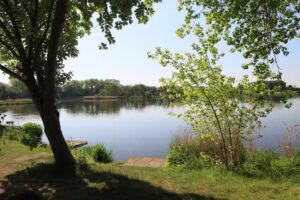
The surrounding environment is a strong part of the appeal. The riverbank is described as rich in wildflowers, with regular sightings of oystercatchers, curlews, dippers and long-tailed tits, along with otters and deer along the margins. For many anglers this wildlife interest is not an afterthought but an integral part of the experience, turning a day’s fly fishing into a broader encounter with the natural character of the middle Dee. Those who appreciate quiet, scenic beats away from busier urban stretches will generally find Kincardine satisfying.
Local services are close enough to be convenient without overshadowing the rural feel of the beat. Kincardine Fishing Beat sits within walking distance of the village store at Kincardine O’Neil, which offers everyday items plus hot and cold food for takeaway, as well as a selection of beer, wine and local spirits. For a longer stay, the nearby towns provide pharmacies, fuel, supermarkets, garages, medical services and a range of pubs, restaurants and cafés, so anglers can combine serious river fishing with comfortable amenities off the water.
Feedback from anglers online is generally very positive, with comments focusing on the attractive setting, classic Dee pools and the sense that the water fishes well across a variety of heights. The beat is often recommended for anglers seeking authentic salmon fishing Scotland experiences rather than purely numbers-driven sport. Some reviewers highlight productive sessions for Atlantic salmon and sea trout, and note that, while catches as anywhere are subject to river conditions and wider stock trends, the underlying quality of the water remains high.
On the other hand, potential visitors should be realistic about a few limitations. Like the rest of the River Dee, Kincardine Fishing Beat is subject to conservation measures and fluctuating fish runs, so no beat can guarantee consistent catches. Those expecting easy fish may find the Dee demanding, especially in lower water or challenging weather. The emphasis here is on high-quality fly fishing in a classic environment rather than on high-volume angling, and that distinction matters for setting expectations.
Another minor drawback is that the beat’s strength in night fishing for sea trout may not suit every angler. Working the pools around midnight requires confidence in wading, familiarity with nocturnal tactics and a willingness to adapt sleeping patterns. For visitors more comfortable with daylight-only sessions, the full potential of Kincardine’s sea trout fishing may remain untapped, and they may feel they are not using the water to its best advantage.
From a value perspective, published information indicates that rods are typically offered in a moderate price range for a well-known River Dee beat, with daily rates that sit between budget options and the highest-profile stretches on Scotland’s big rivers. For experienced anglers who appreciate classic pools, scenic surroundings and well-equipped huts, this can represent a fair balance, though newcomers on tighter budgets may prefer shorter visits or to share rods within a group.
Overall, Kincardine Fishing Beat stands out as a thoughtfully maintained stretch of the middle Dee that suits anglers who prioritise traditional fly fishing for Atlantic salmon and sea trout, comfortable yet understated facilities and a strong sense of river character. Its strengths lie in varied pools, reliable water at multiple heights, excellent potential for sea trout fishing and a setting rich in wildlife. The lack of a resident ghillie, the commitment required for night fishing and the realities of modern salmon stocks are factors to weigh, but for those who arrive with realistic expectations and a love of classic Scottish salmon river fishing, Kincardine offers an authentic and memorable option.