Willinghurst Fishery
BackWillinghurst Fishery presents itself as a well‑established coarse and carp venue that appeals to anglers who value variety, peaceful surroundings and the chance of memorable sessions, but it also shows some clear areas where organisation and customer care could be improved. Set around a collection of mature lakes, it has become a regular destination for those seeking well‑stocked waters, easy access and facilities on site, rather than a remote, bare‑bones pond. The overall impression that emerges from visitors is of a commercial fishery that delivers consistent action and attractive scenery, yet sometimes frustrates through communication issues and a rather old‑fashioned approach to management.
One of the most striking strengths of Willinghurst is the range of waters available. Anglers repeatedly mention that even on busy days they can still find room to settle into a swim because there are so many lakes to choose from. This makes the complex appealing for different styles of coarse fishing, whether someone wants a few relaxing hours float fishing or a longer session targeting bigger carp. The stocking levels are described as generous for a commercial venue, which means most competent anglers can expect a reasonable chance of bites rather than enduring long blank sessions.
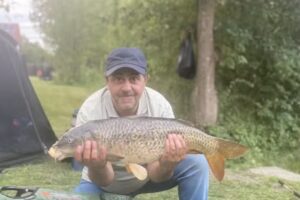
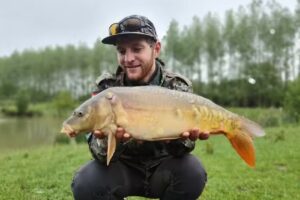
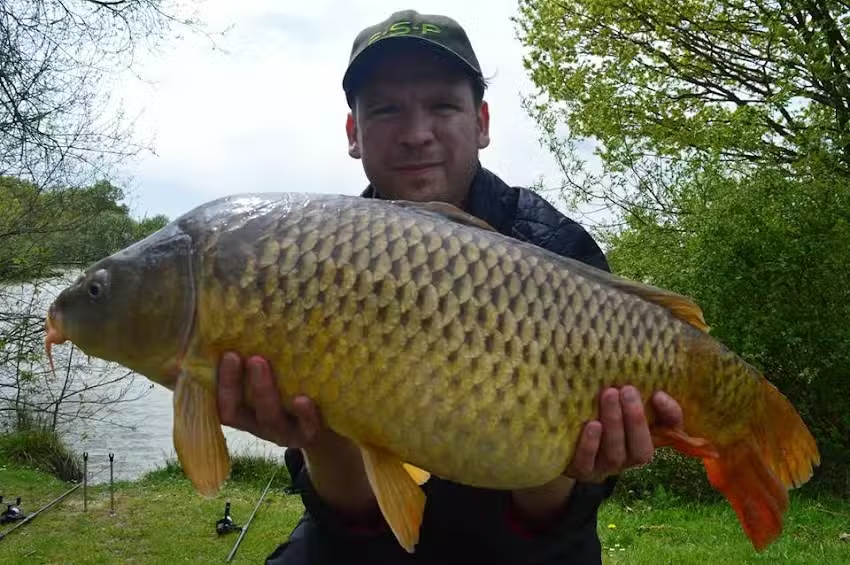
For many visitors, the appeal lies in the potential for quality fish rather than just numbers. Several reports emphasise catching solid bags of carp, with some anglers achieving new personal bests during their trips. That sense of opportunity is important for those who travel a fair distance to visit; they want to feel that the ticket offers a genuine shot at something special. The lakes appear to hold a good head of fish across a range of sizes, so someone bringing relatively modest tackle and basic rigs can still enjoy productive sport alongside more experienced specialists using advanced carp setups.
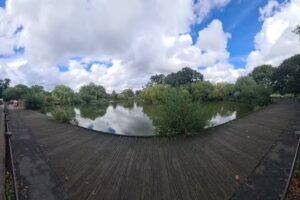
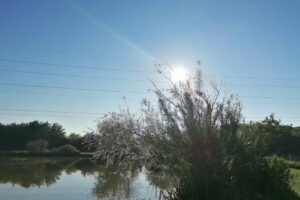
The setting itself is another commonly praised aspect. Once past the practical but unglamorous entrance area, anglers find tree‑lined banks, views over the surrounding countryside and plenty of wildlife activity. This backdrop helps create a relaxed atmosphere for day sessions or 24‑hour stays, which is especially valued by those who see their fishing as a way to unwind from work and everyday pressures. For many regulars, simply being able to sit by the water, listen to the birds and watch carp cruising along the margins is part of the experience, even before a rod tip pulls round.
Facilities on site add to the appeal for longer sessions. The presence of a small café and bait shop means anglers do not necessarily need to pack everything in advance, as they can top up with hot food, drinks or basic items of tackle while they are there. When these services are open, they contribute to the sense that Willinghurst is a self‑contained venue where a weekend’s fishing can be enjoyed without constant trips back to the main road or nearest town. This is particularly convenient for those staying overnight or fishing in poor weather, when being able to grab a warm drink or snack without leaving the complex is a welcome comfort.
For anyone actively looking for a dedicated carp venue, Willinghurst offers several qualities that matter. The lakes are suited to modern carp tactics, with plenty of features such as overhanging trees, reed beds and open areas for longer casts. Anglers talk about regular encounters with feisty fish rather than the odd isolated capture, which suggests that catches are not limited to a narrow group of local experts. The environment seems forgiving enough for less experienced visitors to learn and improve while still offering enough challenge to keep seasoned carp anglers engaged.
The fishery’s layout also supports a range of session lengths. Some anglers drop in for a few hours after work, while others book 24‑hour or weekend visits. Having enough pegs spread across multiple waters reduces the likelihood of being tightly packed together, which can be a concern at busy commercial venues. Being able to settle into a chosen swim and not feel pressured to move because of crowding helps maintain a calmer, more enjoyable experience, especially for those who prize peace and quiet as much as they value catching fish.
However, alongside these positive aspects, there are several recurring criticisms that potential visitors should weigh up. A key issue raised is the way rules, gate times and payment methods are communicated and enforced. There are accounts of anglers checking online information, expecting one set of opening arrangements, and then finding something different when they arrive. In particular, confusion around when gates close and whether card payments are accepted has led to unnecessary stress for some visitors, especially those travelling alone or coming for overnight sessions.
Interaction with the on‑site bailiff and management team is another area where experiences vary sharply. Some anglers describe straightforward visits where the bailiff arrives, takes payment and offers brief guidance with no problems. Others, though, report confrontations where they felt they were spoken to abruptly, or where discretion over minor matters such as parking or small discrepancies in payment seemed inconsistent. In the most negative accounts, the attitude of the bailiff overshadowed otherwise successful fishing, leaving visitors feeling reluctant to return despite having enjoyed good sport from the fish.
These concerns are often linked to the insistence on cash payments and the reported difficulty with using card machines. While some anglers accept cash‑only arrangements as part of visiting a more traditional venue, the lack of clear, up‑to‑date information before arrival can cause real inconvenience. For someone who has driven a considerable distance, set up their tackle and started fishing, being told they must provide cash immediately or leave can turn an anticipated trip into a tense encounter. This is particularly challenging for solo anglers who cannot easily leave their gear unattended to find a cash point.
Fish welfare is another point of discussion. Several visitors comment that the fish fight well and provide enjoyable sport, but there are also specific concerns about the condition of some carp’s mouths, which is sometimes attributed to heavy pressure from inexperienced anglers or insufficient monitoring of handling practices. While any commercial water with a high level of angling activity will inevitably show some signs of wear on its stock, such comments suggest that more visible attention to welfare measures, such as promoting correct use of unhooking mats and barbless hooks, could reassure visitors who care deeply about the health of the fish they catch.
The presence of nuisance species, particularly crayfish, is noted by some anglers as an additional frustration. These can interfere with baits and rigs, making it harder to fish effectively, especially overnight. While total eradication of crayfish is unrealistic on many waters, clear advice on rigs, hookbaits and tactics that cope better with their presence would help visiting anglers adapt more quickly rather than discovering the problem only after repeated lost baits.
From the perspective of a potential customer choosing between different coarse and carp venues, Willinghurst comes across as a place that delivers strongly on core fishing opportunities but lags behind in terms of modern customer expectations. Anglers who prioritise catching fish in attractive surroundings, and who are comfortable dealing with more traditional, sometimes brusque bankside management, are likely to find their visits worthwhile. Those who place a high value on consistent communication, flexible payment options and a more customer‑service‑driven approach may find the experience mixed.
When considering where to spend time and money, it is worth weighing the chance of productive sessions and scenic banks against the possibility of organisational frustrations. For some, the quality of the fishing and the variety of lakes will outweigh the negatives, especially if they arrive prepared with cash, are familiar with typical fishery rules and are ready to navigate a more old‑school style of management. Others might decide that they prefer venues where information is regularly updated online and where payment and gate times are handled with greater flexibility.
In terms of value for money, visitors frequently acknowledge that the catch rates and variety of waters justify the cost of a ticket, provided that the day passes without administrative difficulties. Those who have enjoyed multiple successful trips often speak fondly of their time there and indicate that they intend to return. On the other hand, anglers who have experienced repeated communication problems or felt unfairly treated by staff tend to regard their last visit as definitive and are unlikely to recommend the venue to friends.
For carp anglers specifically, Willinghurst offers the chance at solid fish in a setting that feels established rather than newly dug. The lakes have developed margins, natural cover and features that reward thoughtful baiting and watercraft. This can be especially appealing to anglers who prefer venues that feel like genuine, matured fisheries rather than stark, recently created pools. The fact that some anglers mention achieving personal best carp suggests that there are enough larger fish present to make an ambitious session worthwhile, even if not every visit will produce a specimen.
Given the mix of feedback, prospective visitors benefit from arriving with realistic expectations. Willinghurst is not presented as a luxury destination with comprehensive digital communication and fully integrated online booking, but as a traditional, busy coarse fishery where the emphasis remains firmly on the fishing itself. Those who are comfortable operating in that environment, bringing their own sense of organisation and patience, are better placed to enjoy what the lakes can offer. Equally, awareness of reported issues around payment methods, rule enforcement and fish welfare allows anglers to decide whether this aligns with their own priorities.
Ultimately, Willinghurst Fishery occupies a distinctive position among commercial coarse venues. It combines mature lakes, regular action and the potential for standout carp with management practices and communication that some visitors find challenging. For anglers seeking well‑stocked waters, varied pegs and the possibility of memorable captures in a scenic setting, it remains a viable option, especially when approached with preparation and an understanding of how the fishery tends to operate.