Springfield Meadows
BackSpringfield Meadows is a small, purpose-built lodge park designed around three attractive fishing lakes, offering a quiet base for anglers and non‑anglers who want self‑catering accommodation with good on‑site facilities. The set‑up is simple: a cluster of modern timber lodges, each with parking and outdoor space, surrounded by water and greenery rather than amusement complexes or noisy entertainment. For many visitors this low‑key focus is a major attraction, particularly those who come specifically for the quality of the fishing and the sense of calm.
The modern lodges are often highlighted as one of the strongest points of Springfield Meadows. Guests regularly describe them as spacious, warm and very well equipped, with kitchens that feel more like a small home than a basic holiday cabin. This helps the park to work well in poor weather, because families and groups can spend long periods indoors without feeling cramped, relying on comfortable seating, decent bathrooms and practical layouts. For first‑time visitors who usually book other lodge parks, Springfield Meadows is frequently remembered as being among the better equipped options they have tried, which sets expectations fairly high.
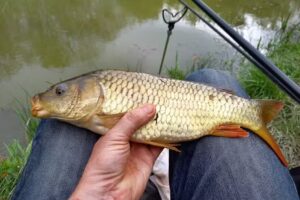
Fishing is central to the appeal here, and Springfield Meadows is very clearly aimed at people who want fishing right on the doorstep rather than having to drive to a day‑ticket venue. There are three lakes on the site, giving anglers a choice of waters and enough pegs that guests rarely feel overcrowded. Carp anglers note that there are plenty of double‑figure fish, with some reaching around the 20lb mark, which is more than enough to keep most holiday anglers interested over a short break. Targeting the better fish can be a challenge, but that is part of the attraction for experienced visitors who enjoy working out a water over several days.
For those who prefer mixed fishing, the lakes are reported to hold good numbers of roach, bream, tench and crucians alongside the carp. This makes Springfield Meadows attractive to anglers who like variety and to families where different members fish in different ways. One person might happily sit all day on the dedicated carp lake, while another focuses on float fishing for silver fish and tench. The balance between specimen potential and easier sport means beginners can get bites relatively quickly while more experienced anglers still have something to aim for.
Many visitors choose Springfield Meadows because it feels more like a small fishing retreat than a large holiday complex. The site is well maintained, with mown banks, tidy paths and a general sense that the owners take pride in the grounds. The presence of ponies, pigs and chickens adds a small farm‑style element which families with children often appreciate, particularly during short breaks when simple on‑site interest matters. Combined with low light pollution and quiet evenings, the setting suits guests who value starry skies and a slower pace over busy facilities and nightlife.
From an angler’s point of view, the layout of the lakes offers some clear practical advantages. Being only a short walk from the lodges to the water, it is easy to pop back for food or extra tackle, or for non‑angling family members to join for part of the day. This is much more convenient than staying in a standard cottage and driving to a separate venue. The banks offer enough space for chairs, larger nets and the usual array of tackle without everyone being pressed together, which is important on mixed‑use holiday lakes where different levels of experience share the same water.
While Springfield Meadows is primarily about fishing and peaceful breaks, there are touches that show the owners have considered non‑anglers too. A games room has been added and further improved over time, which becomes particularly valuable when the weather turns poor and families need something to do indoors. Guests who have stayed during wet conditions note that the combination of a comfortable, well‑equipped lodge and the games room prevented the bad weather from spoiling the trip, allowing the group to enjoy the stay even when the lakes were less inviting.
Location plays a subtle but important role. Although the park itself is tucked away, there is a local pub only a short distance away, along with a small selection of takeaways and other places to eat. This suits visitors who do not always want to cook but still prefer staying somewhere quiet rather than in the middle of a busy town. Being able to enjoy a drink or a meal off‑site, then return to a peaceful lodge by the lakes, is frequently mentioned as a positive balance between seclusion and basic convenience.
Another strength that comes up repeatedly is the friendliness and helpfulness of the staff. Guests often comment that nothing seems to be too much trouble, whether that is answering questions about the lakes, dealing with minor issues in a lodge or simply making visitors feel welcome when they arrive. This kind of personal service matters particularly to anglers, who may need advice on which lake suits their style, what baits have been working or how to get the most from a short session. When staff are approachable, those conversations are easy and can make a noticeable difference to how successful and relaxed a fishing break feels.
However, Springfield Meadows is not without weaknesses, and potential visitors benefit from understanding them in advance. A recurring theme is that contact with the owners or managers is sometimes quite hands‑off. Because check‑in can be arranged without meeting anyone directly, some guests finish a week‑long stay without ever seeing the management in person. While this suits independent travellers who prefer to be left alone, others feel more comfortable when someone checks in during the stay, especially on a park where fishing rules, net care and safety around the lakes are important.
Closely related to this is the perception that communication could occasionally be more proactive. For example, first‑time anglers at the site might appreciate clear written guidance on rules, recommended tackle and typical methods for each lake, so they do not have to rely on trial and error. Although the lakes are productive, some guests find it harder to pick out the bigger carp, and more structured information at the start of a stay could help manage expectations and improve catch rates. In a setting that leans so heavily on angling, a slightly more formal approach to information would support both regulars and new visitors.
The compact and peaceful nature of Springfield Meadows also has consequences for anyone expecting a resort‑style experience. There is no bar, restaurant or swimming pool on site, and organised activities are limited. Guests looking for children’s clubs, evening entertainment or a wide range of facilities might find the park too quiet. For some, that minimalism is exactly the point, but for mixed groups that include non‑fishing teenagers or people who like more structure to their holiday, it can feel as though there is little to do once they have finished walking the grounds or visiting the animals.
Weather can further highlight this difference in expectations. On a bright, dry week, spending most of the day by the lakes is pleasant even for non‑anglers, and the peaceful surroundings are a major asset. During prolonged rain, however, those who are not keen on fishing may feel more restricted. The games room helps, but it is still a relatively simple facility compared with larger holiday parks. Families who know they will be happy with board games, reading and time indoors are usually satisfied, but others might wish for a wider range of indoor options.
From a fishing perspective, Springfield Meadows appears to strike a reasonable balance between accessible holiday angling and maintaining a sense of challenge. The presence of plenty of double‑figure carp makes it attractive to anglers who want a realistic chance of bigger fish during a short stay, rather than only small stockies. At the same time, the mixed‑species lakes encourage a lighter, more relaxed approach, ideal for teaching children or giving casual anglers the enjoyment of regular bites. For many people, this blend is more important than chasing records.
One aspect that stands out in feedback is the number of repeat visitors. Several guests mention that they have already returned multiple times or booked a follow‑up trip shortly after leaving. That suggests that Springfield Meadows delivers a consistent experience: clean lodges, reliable fishing and a quiet environment that does not change dramatically from season to season. For potential guests, this pattern of loyalty is a useful signal that the park offers what it promises, even if it does not try to be everything to everyone.
Given the emphasis on angling, Springfield Meadows is best suited to people actively interested in spending time by the water. For dedicated anglers, the attraction is straightforward: accommodation close to the pegs, lakes with a good head of carp and other species, and the flexibility to fish early or late without disturbing anyone. For families or groups that include non‑anglers, it works well so long as everyone is comfortable with a quiet pace, limited formal entertainment and an environment where the lakes are the main focal point of each day.
For prospective visitors comparing options, Springfield Meadows sits somewhere between a standard rural lodge park and a fully blown dedicated fishery. It offers a genuine fishing focus, but within a setting that still feels like a holiday park rather than a purely utilitarian venue. Guests who arrive expecting a peaceful angling‑centred stay with comfortable accommodation and a few simple extras are usually satisfied. Those who want more structure, more interaction with staff or a wide range of facilities may find better matches elsewhere, but for many anglers and their companions, Springfield Meadows provides a solid, honest combination of good fishing, quiet surroundings and well‑equipped lodges.