Mill of Strachan FLY Fishery
BackMill of Strachan FLY Fishery is a long‑established trout venue that combines a traditional rural setting with mixed feedback on maintenance and fishery management, making it a place that will appeal to some anglers while leaving others wanting more detail before committing to a session.
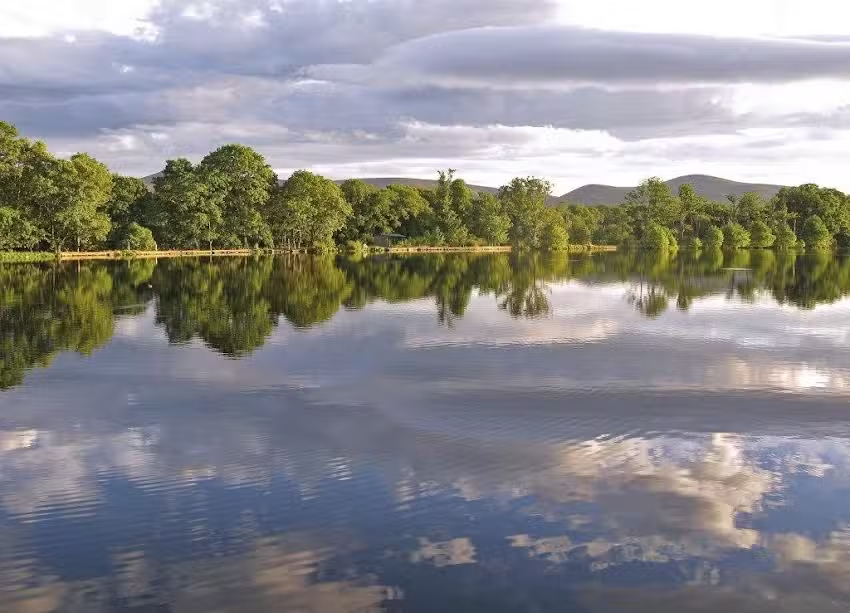
The fishery is centred around two trout lochs totalling about eight acres of water, both fed by the Mill Lade, a tributary of the River Feugh that once powered the old mill on the property. This layout provides a variety of features such as islands, shallows, shelves and deeper holes, giving scope for different fly presentations and tactics through the season. Historically the water has catered for both bait and fly methods, but current listings emphasise that it now operates on a fly‑only basis, which will particularly suit anglers looking for a dedicated fly fishing environment focused on trout sport rather than mixed coarse or bait fishing.
Stocking policy centres on rainbow trout, with additional chances of brook and brown trout that have been recorded in catches over the years. For anglers seeking a dedicated trout fishery, this mixture can be attractive, as it offers the possibility of different fighting characteristics and a more varied session than a water stocked with a single strain of fish. Promotional descriptions highlight regular stocking and a family‑run approach built up over more than three decades, which suggests continuity of operation and a degree of experience in rearing and managing fish for small stillwaters. The on‑site fish rearing ponds and dams were restored by the current operator, who has a background in construction and landscaping and has invested time in bringing the mill site and its water system back into usable condition.
From a setting perspective, Mill of Strachan FLY Fishery benefits from its rural location, which gives many visitors the sense of fishing a traditional Scottish smallwater rather than a heavily commercialised day‑ticket complex. The surrounding farmland, the presence of a sheep operation and equestrian activities, and the layout of the lochs themselves all contribute to an atmosphere that can feel more like a working countryside property than a purpose‑built leisure park. Some anglers value this type of environment, particularly those who like the idea of a fly fishing lake that sits within a broader rural enterprise and retains a natural character rather than being groomed to perfection. Others, however, may prefer manicured banks, hard paths and a more overtly commercial infrastructure, so expectations play a major role in how the setting is perceived.
The wider site has historically incorporated a riding school, a tack and feed shop and a Highland pony stud, reflecting a diversified rural business that is not solely dependent on angling. For visiting anglers this can be a positive point, as it hints at a steady presence on the property and a degree of year‑round oversight rather than a fishery that is only intermittently attended. However, because the primary focus is not exclusively on fishing, there is always the question of how much day‑to‑day attention bank work, access paths and weed control receive when other aspects of the holding also demand time. For potential visitors, this balance is important when comparing Mill of Strachan with more intensively maintained commercial trout lakes, especially if mobility or bank access is a concern.
User opinions about the fishery are divided, and this is where prospective customers need to pay close attention to the details behind the ratings rather than focusing on averages alone. Some anglers report very enjoyable days, describing the water as beautiful and the experience of fishing the lake as highly satisfying when conditions and weed levels allow. One visitor simply noted that fishing on the lake was very enjoyable, which implies that when factors such as line management, bank clearance and sub‑surface weed are under control, the water can deliver the sort of lively rainbow trout fishing many people seek. Another recent review gives a strongly positive rating without additional comment, which at least indicates that not all visitors share the more critical views on maintenance.
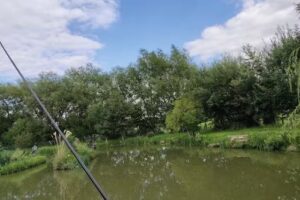
On the other hand, several reviewers raise repeated concerns about weeds and general upkeep, particularly around the banks and in certain parts of the loch. One experienced fly angler with over a decade of fishing behind them commented that they had never previously encountered a fishery where the first few feet of bank were so overgrown with reeds that it became difficult to drop a fly line properly. The same review mentions heather and long grass behind the casting area, which can snag back casts, as well as heavy weed growth arising from the lake bed some 15–20 feet out, which was reported to shear off flies tied on lighter leaders. This angler felt that the water itself was picturesque but was frustrated by what they saw as poor maintenance, and even advised would‑be visitors to inspect the pond before paying, particularly because the car park is out of sight of the main loch.
Another visitor echoed parts of this experience, suggesting that the business could run well if more effort went into upkeep. Specific criticisms included holes in the concrete path near the intake and the shed, which were described as dangerous, as well as a prevalence of weeds and a perception that there were not many visible fish showing on the day. This kind of feedback will matter to anyone who wants a fishing lake with clearly maintained access ways, especially if they are less steady on their feet or are bringing family members who require secure footing around the water. While isolated defects on paths can occur at any outdoor venue, the fact they are mentioned in reviews suggests that potential visitors may wish to check current conditions or ask about recent remedial work when planning a trip.
There are, however, also more nuanced reports that show anglers adapting to the conditions and still enjoying good sport, which will interest more experienced or flexible visitors. One reviewer described the weed as grim but pointed out that a small boat available on the water effectively saved their day, allowing them to reach clearer areas and enjoy excellent fly fishing on dry patterns. This highlights an important point: while bank anglers focused on traditional overhead casting from the shore may struggle in heavy weed or overgrown margins, those prepared to fish from a boat, or to adjust leader strength and casting style, can still find rewarding sport. For confident casters who understand the challenges of weedy stillwaters, Mill of Strachan can provide the sort of technical session that demands thought about fly choice, retrieve depth and positioning rather than simple distance casting from groomed stands.
The recurring theme of weed growth raises a broader consideration that many stillwater trout anglers will recognise from other venues. In relatively shallow, nutrient‑rich waters, aquatic vegetation is both a habitat benefit and a maintenance challenge, and the line between healthy cover and angler‑frustrating weedbeds can be thin. At Mill of Strachan, some visitors clearly feel that this line has occasionally tipped too far towards obstruction, at least at certain times of year, whereas others emphasise the beauty of the pond and do not view the vegetation as a deal‑breaker. For potential customers, it may be sensible to treat this as a seasonal variable, asking the fishery about current conditions or recent weed‑cutting activity, especially if their preferred style is bank‑based dry‑fly or nymph work close to the margins.
In terms of who is likely to get the most out of Mill of Strachan FLY Fishery, the venue appears best suited to anglers who value a natural setting, are comfortable adjusting to weed conditions and perhaps appreciate the option of using a boat when bank space is limited. Those who enjoy working a fly fishing reservoir or loch where structure, shelves and varying depths demand careful thought about fly lines and retrieves may find the water engaging, especially when regular stocking of rainbow trout is evident and fish are moving freely. Families or beginners could still find value here, particularly under the guidance of more experienced companions, but they may want to check on bank clearance and access in advance to ensure the experience feels welcoming rather than intimidating.
On the less positive side, the repeated references to weeds, the comments about holes in concrete paths and the sense from some reviews that the fishery is not always maintained to its full potential are points that prospective visitors should weigh carefully. These remarks do not mean that every visit will be problematic, nor that improvement work is not ongoing, but they do suggest that anglers seeking a highly manicured commercial trout fishing complex with uniform banks, pristine paths and consistently easy casting may find other venues better aligned with their expectations. Conversely, those who are more tolerant of rougher edges in exchange for a quieter, more rural feel may see these shortcomings as manageable, particularly if they are prepared to use the boat or adapt their tactics.
Information from regional tourism and angling resources indicates that the fishery operates throughout the year, offering the possibility of winter sessions as well as the more traditional spring and summer outings. Year‑round operation can be attractive for committed fly anglers who like to keep their hand in outside the main holiday months, especially on smallwaters where fish remain active and accessible even when river levels are high or conditions are unsettled. At the same time, winter and early‑season visits may emphasise different aspects of the venue, such as water clarity and weed die‑back, compared to the denser growth and insect activity of high summer, so the experience of Mill of Strachan can change markedly through the year.
For anyone considering Mill of Strachan FLY Fishery, the key takeaway is that this is a long‑running trout fishery with genuine character, set on a diversified rural property, and capable of offering enjoyable sessions when conditions align, but it is also a water where maintenance and weed management are recurring discussion points among visitors. Anglers who prioritise a natural setting, a mix of trout species and the challenge of reading varied loch features are likely to appreciate what is on offer, particularly if they confirm up‑to‑date information about weed levels and bank conditions before travelling. Those who prefer a more polished, heavily managed fly fishing venue with consistently clear banks and paths may wish to factor the existing feedback into their decision‑making and consider how their own preferences match the character of this fishery.