Avon Springs Fishing Lakes
BackAvon Springs Fishing Lakes presents itself as a dedicated fly-fishing fishery with two stillwater lakes, offering anglers a focused setting where the emphasis is firmly on trout quality and a testing day’s sport rather than casual coarse fishing. The site is set up for fly anglers who value clear, well-kept waters and strong, hard-fighting fish, and many visitors describe it as a place where experienced rods can genuinely test their skills. While the location is not a tackle shop in the traditional sense, it functions as a specialist venue that appeals to those who already have their own fly fishing tackle and want somewhere purposeful to use it, from finely balanced fly rods to modern fly reels and carefully chosen trout flies.
One of the most frequently praised aspects of Avon Springs is the condition of the fish. Regular visitors comment that the trout are clean, healthy and powerful, with fish running well into larger weights that can give even seasoned anglers a serious battle. Anglers report fish of well over 9lb taking line and heading into the middle of the lake, providing the kind of spirited fight that makes a day’s effort feel worthwhile. For those who invest in quality fly lines, well-tied wet flies and damsel nymphs, the fishery can reward thoughtful presentation, patient retrieves and a willingness to adapt tactics as conditions change.
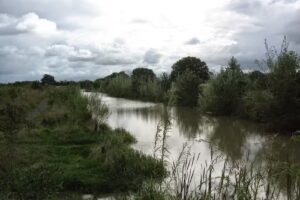
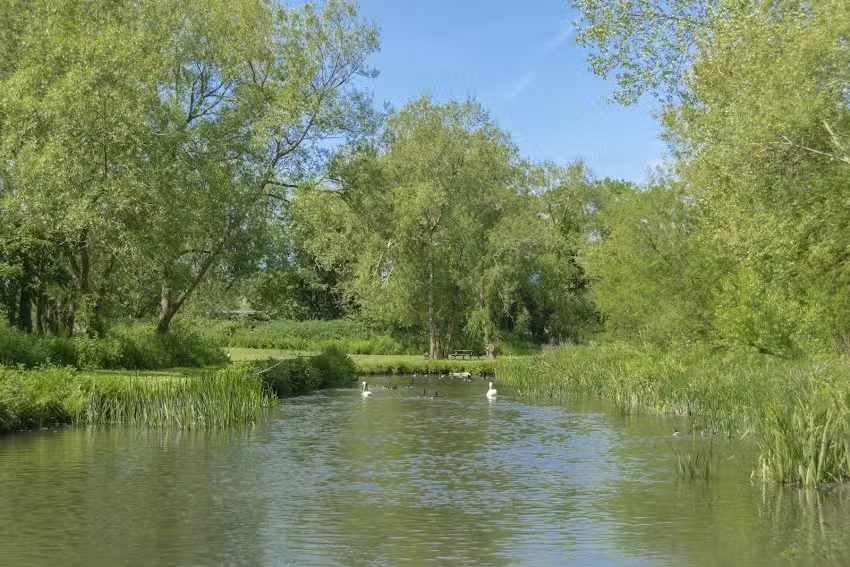
The lakes themselves are a key part of the appeal. The main water is large, deep and very clear, which allows anglers to see much of what is happening beneath the surface but also makes stealth and technique more important. This is not a small, heavily stocked pool where fish are easily reached at short range. Instead, the layout encourages longer, more accurate casting and good line control, particularly when the wind is up and the fish are sitting further out. Many anglers arrive with their own trusted fly rods and selection of trout flies, and some find that working with the wind at their back helps them push a line towards the more productive areas of the lake.
On the positive side, those with plenty of experience often find Avon Springs very rewarding. Several anglers who have fished here for years speak highly of the venue, praising not only the fish but also the work that has gone into maintaining the banks and surroundings. After periods of closure, visitors have noticed significant effort put into tidying, landscaping and preparing the lakes to a high standard, with the result that the site feels cared for and thoughtfully managed. For fly anglers who take pride in their trout fishing and like to travel with a well-stocked collection of fly fishing gear, this attention to detail can add significantly to the overall satisfaction of a day’s fishing.
At the same time, Avon Springs is not without its challenges and drawbacks, and these are important for potential customers to consider. The clear water and depth of the main lake make it a demanding place for beginners, and some visitors have described it as being suited more to seasoned fly fishers than to juniors or those just starting out. There are reports of days when many experienced anglers struggled to tempt fish, with only one trout taken across a group, despite their skill and effort. For someone arriving with limited experience and a basic selection of fly fishing lures, the combination of depth, clarity and educated fish can feel unforgiving.
The smaller lake, which might be expected to offer an easier option, does not always guarantee action either. Some visitors have commented that they saw little or no movement from fish on this water and that no one around them appeared to land anything during their visit. For anglers who are used to more heavily stocked waters where catching the ticket limit is almost a formality, this can be disappointing, particularly when they have invested in day tickets, travel and their own fishing equipment. As a result, Avon Springs tends to suit those who value the challenge of a more lightly pressured, technical fishery rather than those looking for a near-certain bag.
Another point raised by some visitors is the question of value for money and catch policy. There are comments from anglers who felt that, on tough days when no fish were caught, they would have appreciated some form of return voucher or partial credit towards a future visit. The fishery does not routinely provide such guarantees, and this can leave those who blank feeling that the day has been expensive with little tangible return. For regulars who understand the nature of fly fisheries and accept that blank days happen, this may be less of an issue; for occasional visitors, especially those bringing juniors or friends new to the sport, it is a factor to weigh up carefully.
The social and practical side of the fishery also has distinct characteristics. The setting includes nearby recreational facilities, and some anglers have mentioned noise from adjacent activities, such as football, reaching the lake. For some, this is a minor background detail that does not detract from their focus on fishing; for others, it may reduce the sense of seclusion they expect from a stillwater fly venue. Parking and access are generally straightforward, and the presence of a wheelchair-accessible entrance makes the fishery more practical for anglers with reduced mobility who want a location where they can use their own fishing tackle comfortably.
Interactions with the operator are often highlighted as a strength. Several visitors comment on helpful conversations with the owner before starting their session, including advice on where fish have been showing and which patterns have recently worked. For anglers bringing a full range of fly fishing gear – from floating lines and intermediate lines to sink-tip options, plus patterns such as damsels, Montanas and Minkies – this guidance can make a significant difference to how they approach the water. Those who take the time to discuss tactics, adjust their set-up and move around the lake to follow the wind often report better results.
From a performance point of view, anglers who adapt to conditions tend to fare best. There are accounts of days where, by reading the wind and concentrating on the downwind end of the main lake, pairs of anglers have both reached their bag limit by lunchtime, with fish in the 5–6lb range and above. These are not effortless catches; the feedback suggests that anglers needed to work for each fish, experimenting with depth, retrieve speed and fly choice. For many fly fishers, this is precisely the kind of challenge they seek, using their full range of trout flies, from nymphs and lures to more natural patterns, rather than relying on a single method.
The crystal-clear water can be both a benefit and a drawback. On the one hand, it indicates good water quality and allows anglers to see fish movement, structure and underwater features, helping them to decide where to cast. On the other, it makes fish more wary, particularly on bright, calm days, and can expose any weaknesses in casting or presentation. Anglers who invest in balanced fly rods, fine tippet, and carefully matched fly fishing tackle are more likely to appreciate the technical aspect, whereas others may find it frustrating when fish can be seen but not tempted.
Avon Springs operates as a dedicated fishery rather than a general leisure attraction, and this shapes the experience. There is no extensive on-site retail offering stacked with fishing rods, fishing reels, fishing line and fishing accessories in the way that a large angling shop might provide; instead, visiting anglers are expected to arrive prepared, with the fishing gear they prefer for stillwater trout. For some, that is an advantage, as it keeps the focus on the fishing rather than browsing; for others, especially newcomers who might appreciate the chance to pick up extra fishing hooks, leaders or spare fly lines on site, it may feel a little limited.
Where Avon Springs stands out is in delivering a focused, traditional stillwater fly-fishing experience with fish that are widely regarded as hard-fighting and in very good condition. Anglers who enjoy the process of choosing their own fly fishing tackle, tying or selecting trout flies that match the conditions and then working systematically around a well-maintained lake are likely to find much to appreciate. Those seeking a gentle introduction to fly fishing for children, or a heavily stocked water with an almost guaranteed bag, may find the fishery tough and should be prepared for the possibility of challenging days. As with any specialist venue, aligning expectations with what the fishery offers is key; Avon Springs is best viewed as a place for serious stillwater fly anglers who want to put their skills, and their carefully chosen fly fishing gear, fully to the test.