Dunfermline Artisan Angling Club
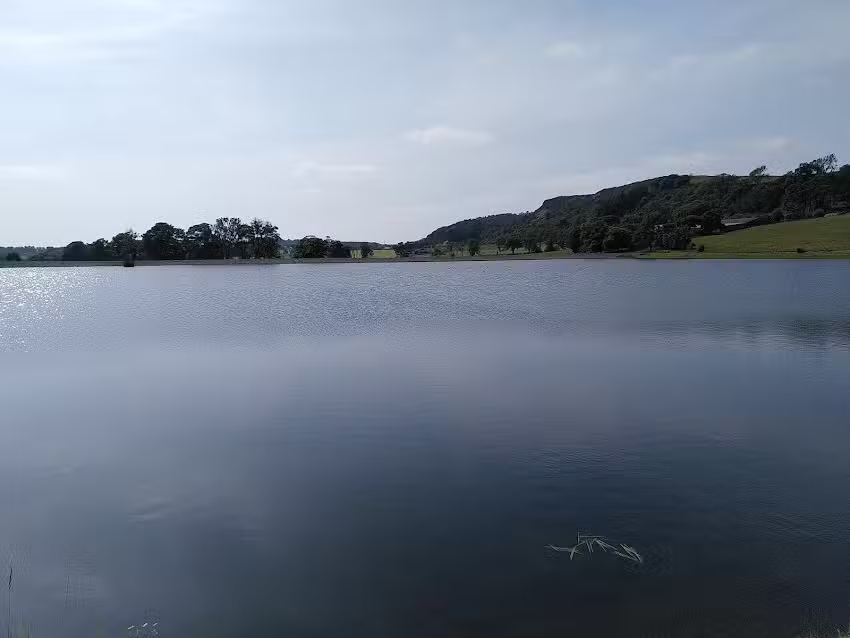
BackDunfermline Artisan Angling Club operates Craigluscar Trout Fishery as a focused venue for anglers who want straightforward access to well-managed stillwater trout fishing without unnecessary frills. The club runs the fishery on two former water-supply reservoirs, giving visiting anglers a compact but varied setting with bank access, clearly defined rules and a reputation for consistent sport with stocked trout. Rather than presenting itself as a multi-activity attraction, this is a place primarily aimed at people who care about the quality of the water, the health of the fish and a practical, no-nonsense day’s angling.
The core attraction here is simple: regularly stocked trout in an accessible setting. Reviews consistently mention hard-fighting rainbow trout and a good stamp of fish, with multiple visitors commenting on bags of solid fish rather than small stockies. The fishery is run by an established club, which has been associated with the Craigluscar reservoirs for generations, and that long stewardship shows in a measured approach to stocking and general upkeep. Anglers who want a reliable session of trout fishing, rather than an experimental venue, often find this reassuring, particularly if they are coming with family or less experienced companions.
The fishery layout is straightforward and will suit anglers who prefer clarity over complexity. The main water is set aside for fly fishing, while a separate pond caters for bait anglers, including those using lures and spinners. This split allows the club to manage pressure on each water and helps fly anglers enjoy more traditional bank fishing without tangling with float rigs, while still offering a more forgiving option for beginners. For many visitors this is one of the main advantages compared with some mixed venues where methods and expectations can clash.
For fly anglers, bank-only access on the main reservoir creates a focused style of fishing that will appeal to those who enjoy reading the water and working along the shoreline. Several anglers report active fish feeding on the top, with buzzer tactics and similar patterns producing results when conditions are right. Others highlight the quality of the fight, emphasising that the fish put a solid bend in the rod rather than coming in like dead weight, which is an important factor for anyone seeking more sporting trout fishing rather than purely filling a bag. The absence of complicated session structures on some tickets, and the emphasis on a relaxed day by the water, adds to this sense of traditional stillwater angling.
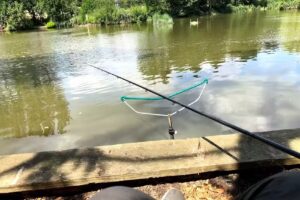
The bait pond offers a different experience and is particularly attractive for families and casual anglers. Visitors note that this pond often holds plenty of sizable rainbow trout, and reports of family trips resulting in multiple good fish are common. There is mention of reeds and weed growth being a noticeable feature of the bait pond, which can be challenging for those unused to casting around cover, but several anglers also comment that, with suitable tackle and a bit of care, the vegetation does not prevent a productive session. For parents introducing children to rainbow trout fishing, the chance of hooking into a strong fish in a relatively compact water is a clear advantage.
Stocking policy is one of the fishery’s stronger points. Reviews and tourism listings describe the water as very well stocked with high-quality trout, and repeat visitors often comment that anglers around the banks are usually into fish at some point during the day. There are also accounts of anglers reaching their limit comfortably, which suggests that stocking density and fish quality are priorities rather than afterthoughts. The club appears to favour a steady flow of fish into the water over headline-grabbing specimens only, which suits most visiting anglers looking for dependable sport.
On the practical side, the set-up at the bailiff’s hut is frequently highlighted as friendly and helpful. Multiple anglers mention being welcomed on arrival, receiving advice on where fish have been showing and what patterns or baits have produced recently, and in at least one case being lent essential equipment that had been forgotten at home. This human side of the operation matters for many visitors, especially those returning to fly fishing after a break or trying a new trout fishery for the first time. The presence of a small, well-stocked shop is also noted, with anglers commenting positively on the range of items available and the willingness of staff to help find what is needed.
Dunfermline Artisan Angling Club positions Craigluscar Fishery as a reasonably priced venue rather than a luxury destination, and independent write‑ups reinforce that impression. Local tourism sources describe the fishery as good value for the quality of fishing, with a variety of visitor permits and family-friendly options available. For regulars, season tickets that bundle multiple visits offer a way to reduce the cost per trip, while day tickets suit occasional visitors who simply want a straightforward outing. This balance between price and catch rates is a strong point for anglers weighing up where to spend a limited number of days on the bank each season.
Facilities and access are relatively modest but functional. The fishery offers a wheelchair-accessible entrance, which broadens its appeal to anglers with mobility needs, although bank-only fishing on the main water means that not every stretch will be equally easy to reach. The paths and banks around the reservoirs provide varied viewpoints and casting positions, and visitors often mention enjoying an evening cast when the light drops and fish move closer in. There are also comments about the wider setting being attractive and peaceful, with room for a walk as well as coarse fishing or game angling, although the emphasis here remains firmly on trout rather than mixed-species sport.
Environmentally, the reservoirs have a protected status and support a range of wildlife, which adds an extra dimension to a day on the water. Some anglers appreciate this natural backdrop, noting birds and other wildlife while fishing, and for many this contributes to the feeling of being away from everyday pressures without having to travel long distances. At the same time, the club has to balance conservation considerations with the needs of anglers, which may influence aspects such as bank maintenance, vegetation management and the placement of access points.
There are, however, a few recurring drawbacks noted by visitors. Vegetation, especially reeds and weed around the bait pond, comes up in reviews as something anglers notice immediately on arrival. For confident casters this can provide structure that holds fish and makes presentation more interesting, but for beginners or families it can lead to lost tackle and frustration if they are not prepared. Midges are another point mentioned directly by visiting anglers, with some suggesting that insect repellent is essential in warmer months around still water and bankside vegetation. These issues are not unique to this venue, but anyone planning a first trip will benefit from being aware of them.
Another aspect that not every visitor will appreciate is the limitation to bank fishing on the main reservoir. Anglers who are used to boat fishing on larger lochs sometimes find a full day of bank work physically demanding, especially if they have back problems or mobility concerns. While some welcome the simplicity of walking and casting from the bank, others may miss the option to drift over different depths or follow wind lanes by boat. Those who prefer boat‑based stillwater trout fishing might therefore see Craigluscar as better suited to shorter sessions or targeted trips when conditions look favourable.
The method separation between fly and bait water, while generally positive, can also limit flexibility. Mixed groups in which some anglers want to fly fish and others want to use bait may find themselves split between waters, which can make it harder to keep an eye on younger anglers or share the same stretch of bank. Depending on expectations, this may be a minor inconvenience or a significant drawback. Prospective visitors who value staying together as a group should factor this into their plans and may wish to decide in advance which method best suits everyone.
Despite these limitations, overall sentiment towards Dunfermline Artisan Angling Club’s management of Craigluscar is strongly positive. Independent reviews emphasise the friendliness of the bailiffs, the willingness of experienced anglers in the hut to share advice, and the sense that the water is looked after by people who actually fish it themselves. For potential visitors, this creates a degree of confidence that any issues on the day are likely to be met with practical help rather than indifference. Anglers returning to the water after long breaks have written about feeling encouraged and supported as they get back into the rhythm of casting and playing fish, which is a point in favour of the club’s approach.
For someone considering their options for trout fishing near Dunfermline, this venue is best suited to anglers who value consistent stocking, clear rules and a friendly atmosphere over luxury facilities or extensive boat fleets. The combination of fly-only and bait waters, along with a choice of ticket types, allows both dedicated fly anglers and families to find something that fits their needs, provided they are prepared for natural features such as reeds, weeds and insects. Those who enjoy methodical bank fishing with a realistic chance of multiple fish, and who appreciate practical advice from on-site staff, are likely to get the most from a visit. Anglers whose priorities are large-scale waters, boats and varied species may see this as a solid but specialised stillwater option to add into a broader fishing lakes itinerary rather than as their only destination.