Sharpley Springs Fly Fishery
BackSharpley Springs Fly Fishery presents itself as a thoughtfully designed destination for anglers who want more than a quick session with a rod, offering a blend of well managed waters, practical facilities and a calm atmosphere that attracts both regulars and first time visitors. It is a stillwater venue focused on fly fishing for stocked trout species, with a clear emphasis on variety, accessibility and a relaxed but organised approach to day ticket angling. For potential visitors weighing up different fisheries, this balance of strong stocking policy, multiple lakes and on site comforts is the core of its appeal, while some aspects such as weather dependent sport and occasionally challenging conditions are worth keeping in mind.
The heart of the operation is a cluster of spring fed lakes stocked with blue, brown and rainbow trout, with individual waters also holding tiger trout for those who enjoy targeting something a little different. Each lake is supplied by a local limestone spring, which contributes to clear water and good oxygen levels that help fish remain active and hard fighting throughout the year. For anyone searching for a dedicated trout fishery rather than a mixed coarse venue, this focus on quality game fish is one of the main reasons anglers travel specifically to Sharpley Springs.
One of the most frequently praised aspects is the range of different waters on offer, with seven lakes laid out to cater to a wide span of abilities and preferences. Named pools such as The Doxford, Albert & Alice, The Cuthbert, Hangman’s and The Noose are complemented by a children’s worm lake and a dedicated tuition area, creating a mix of technical fly only lakes and more forgiving options for newcomers or casual anglers. This layout allows regulars to rotate between waters depending on conditions and tactics, while beginners can build confidence without feeling out of place among more experienced fly fishers.
Anglers often comment that the fishery feels well maintained and carefully looked after, with neat banks, tidy swims and clear paths around the water. Platforms are described as well spaced and thoughtfully positioned, which helps reduce crowding and gives each angler enough room to cast comfortably without constant tangles or crossed lines. That level of upkeep is particularly important for those who take their fly fishing tackle seriously and want to fish methodically along the margins, drop offs and features without negotiating overgrown banks or poorly kept pegs.
Accessibility is another recurring strength, making Sharpley Springs a realistic choice for anglers who might struggle on more rugged venues. The site offers good vehicle access and on site parking close to the lakes, and the banks are laid out with disabled anglers in mind, with easy to reach platforms and relatively level ground on many of the pegs. For families, older anglers or those with mobility issues looking for a manageable fly fishing lake rather than a remote reservoir, this can be a decisive factor when choosing where to spend a day’s fishing.
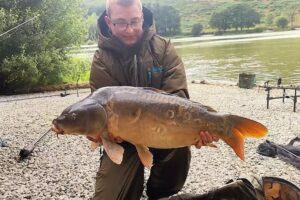
The fishery’s stocking and fish quality are commonly highlighted in feedback from visitors who report lively, strong fish and a good head of trout across the different lakes. Reports mention blues, browns and rainbows up to specimen sizes, with a published fishery best over twenty pounds, alongside more typical fish that still offer spirited fights on balanced tackle. For anglers who travel specifically to catch larger trout on reservoirs and stillwaters, the prospect of encountering a double figure fish in relatively intimate surroundings adds extra interest beyond simply filling a bag limit.
Regular visitors often note that sport can vary with conditions, something especially evident in videos and trip reports where anglers describe sessions as hard going at times, even though fish are clearly present and showing. This underlines a key point for prospective guests: despite being a well stocked commercial, Sharpley Springs is not simply a numbers water where fish throw themselves at any fly, and some days require careful thought, subtle presentation and a willingness to change patterns. Those who enjoy technical stillwater fishing often see this as a positive, while others looking for guaranteed quick catches may find it more demanding than expected.
The fishery’s reputation for buzzer fishing is another reason many anglers mention it when discussing productive small stillwaters in the region. Reports refer to excellent buzzer hatches, with patterns such as apps worms, bloodworms and traditional nymphs like the Hare’s Ear featuring heavily in successful setups. For anglers who like to refine their fly fishing flies and fish imitative patterns under indicators or straight line, this emphasis on natural feeding behaviour can be especially appealing.
Hangman’s, one of the named lakes, is often described as a more traditional style water where dries, nymphs and smaller natural patterns are encouraged, with restrictions on lures and non imitative flies. This helps maintain a certain character to the lake and gives anglers who favour classic approaches a specific area tailored to their style, while other waters allow more flexibility with techniques. Anglers experimenting with buzzers, emergers and smaller patterns can therefore settle into a water that rewards delicate presentations and careful observation of the hatch.
For those new to the sport, Sharpley Springs has several features designed to ease the learning curve and make a first trip less intimidating. There is a beginners’ lake, often used for casting practice and early sessions where the emphasis is on building confidence with line control, strike timing and playing fish rather than dealing with long casts in deeper water. The separate children’s worm lake adds another dimension, so that families can bring younger anglers for a more straightforward introduction to catching trout without immediately committing to full fly only rules.
Many visitors mention the on site fisherman’s lodge as a welcome hub where they can take a break, warm up and regroup between sessions. The lodge offers self serve tea and coffee, comfortable seating and basic facilities such as a microwave, alongside clean separate toilets that are often singled out for being well kept. This kind of shelter can make a big difference on cold or windy days, allowing anglers to extend their stay and get more value from a day ticket.
The presence of friendly, hands on management is another aspect that shapes the experience at Sharpley Springs. Anglers repeatedly mention the owner by name, describing helpful advice on fly choice, tactics and which lake is fishing best at any given time, along with a welcoming attitude to both seasoned regulars and new visitors. That interactive approach, where staff are visible around the fishery and willing to chat about conditions, helps create a community feel that many regulars value.
Customer comments point towards a relaxed, sociable atmosphere where it is easy to strike up a conversation with other anglers, ask about productive drifts and share information on which colours or retrieves are working. Regulars appreciate that there is enough space across the lakes to spread out, yet the layout still makes it straightforward to walk round and observe what others are doing, which often leads to informal tips for visiting anglers. For people who see a day at a fishery as both a fishing trip and a chance to spend time with like minded anglers, this social side adds significant value.
In terms of value, Sharpley Springs is generally regarded as reasonably priced for a dedicated trout venue with multiple lakes and good facilities. Anglers who comment on the cost usually do so in the context of session length, stocking quality and the range of waters included in their ticket, and many feel that the combination makes for a fair day’s fishing even when sport is challenging. Those planning a trip would still be wise to check current ticket structures and bag limits directly with the fishery, as these can change from time to time as stock levels and running costs are adjusted.
Because the fishery is open throughout the year, anglers can visit in all seasons and experience a wide range of conditions. Cold winter days can bring clear water, slower takes and the need for careful depth control, while spring and summer sessions coincide with more surface activity and buzzer hatches that reward sensitive indicators and fine tippets. Some online videos and reports make clear that on difficult days, especially when weather patterns are unsettled, bites can be few and far between, reinforcing the idea that anglers should come prepared with a flexible selection of fly fishing gear and a willingness to adapt.
Sharpley Springs sits alongside a broader leisure operation that includes an 18 hole par 3 style golf course, a driving range and a clubhouse, which can be an advantage for mixed groups where not everyone wants to fish all day. Anglers who travel with family or friends who are more interested in golf can still base themselves at one site while pursuing different activities, meeting back at the clubhouse or lodge during breaks. For some, this multi activity environment is a plus, while others who prefer more remote, fishing only locations may see it as slightly diluting the pure angling focus, even though the lakes themselves remain dedicated to trout fishing.
While most feedback is positive, there are a few recurring themes that potential visitors might want to consider as mild drawbacks or points of awareness. First, the very popularity of the fishery and its group of regulars means that on particularly good days, or at peak times, certain banks can feel busier than more secluded venues, even though the number of lakes helps spread anglers out. Second, a proportion of visitors describe sessions where, despite good stocking levels, fish proved difficult to tempt, highlighting that success is not guaranteed and that Sharpley Springs can fish quite technically under pressure or adverse weather.
Another point occasionally raised by visiting anglers is that, as with many commercial stillwaters, the experience depends heavily on personal expectations. Those who arrive with a well prepared selection of buzzers, nymphs, dries and lures, and who are comfortable changing depth, retrieve and location throughout the day, tend to report productive sessions and multiple fish. Anglers hoping for easy limits on a narrow range of patterns can sometimes leave feeling that the water is harder than anticipated, which is more a reflection of technique and conditions than the underlying stocking policy.
For prospective visitors researching their next trip, Sharpley Springs stands out as a stillwater fishery that offers a good balance of variety, challenge and comfort within a compact, well run site. Multiple lakes, strong stocking, accessible pegs and a sociable lodge setup all count in its favour, while the potential for tough days, occasional busy periods and a need for adaptable tactics are the main caveats to bear in mind. Anglers who enjoy refining their approach, making use of a full range of fly fishing techniques and spending unhurried days at a dedicated trout venue are likely to find plenty to appreciate here, whether they are chasing that first trout on the fly or returning in search of a specimen fish.