Kinross Trout Fishery
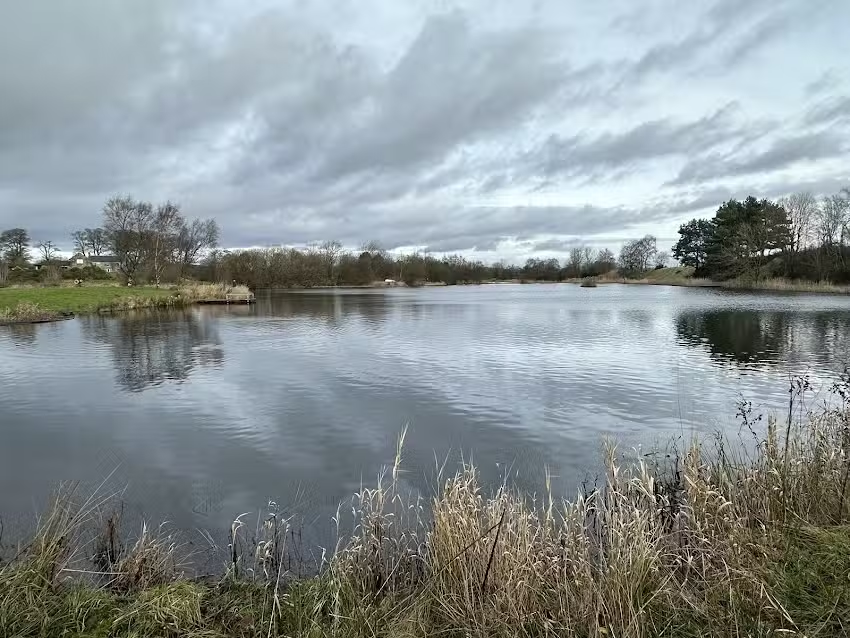
BackKinross Trout Fishery presents itself as a dedicated stillwater venue focused on stocked trout, attracting both local anglers and those who are prepared to travel for a day of focused sport. The setting, with clear, spring-fed water and open banks, is frequently mentioned as a strong point, creating an environment where casting is straightforward and takes are easy to see. For anyone interested in improving techniques with a trout fishing rod or testing a new fly fishing reel, this fishery offers a practical, no‑nonsense backdrop where the emphasis is firmly on time spent on the bank rather than peripheral attractions.
One of the strengths repeatedly highlighted by visitors is the quality and strength of the stocked fish. Anglers report hard‑fighting rainbow trout that punch well above their weight, which is particularly appealing for those who enjoy fishing with lighter fly lines and finely balanced trout rods. The crystal‑clear water allows anglers to observe fish movement and behaviour, making it an excellent place to refine presentations with dry flies, buzzers, or lures. This visibility also helps newer anglers gain confidence as they can often see follows, refusals, and takes, turning each cast into a learning opportunity.
The fishery operates on a ticket system with different options for catch and release or catch and keep, giving visitors flexibility in how they structure their day. For example, some anglers choose a shorter session purely for sport, while others combine several permits to turn a successful morning into a full day with a bag of fish to take home. Prices are often described as reasonable for the experience offered, particularly considering the number of fish hooked in an average session and the calibre of the stock. There is also mention of informal competitions such as monthly biggest fish pots, which adds a light competitive element for those who enjoy a little extra incentive while casting their favourite rainbow trout fly.
Anglers regularly comment on the atmosphere on site, describing staff as friendly and approachable without being intrusive. The management is often perceived as keen for visitors to catch, which is reflected in practical advice, bank chat, and ongoing attention to stocking and water quality. Many visitors appreciate being able to ask simple questions about suitable trout flies, retrieve speeds, or depth without feeling rushed. At the same time, this is not a heavily guided venue: those who prefer to work things out for themselves, testing different fly fishing leaders and tippets, generally have enough space and quiet to do so.
Facilities at Kinross Trout Fishery are modest but geared towards practical angling needs. On‑site options typically include hot drinks and basic snacks, which are welcome during colder weather when fishing with spinning reels or fly reels for extended periods. There is usually a selection of flies and some fly‑tying materials available, which is helpful if a particular pattern is working well on the day and anglers wish to stock up. The availability of trout lures, buzzers, and other essential patterns on site can save a journey to a separate fishing tackle shop, particularly for those who are visiting from further afield and may have forgotten a box or two.
For some visitors, the relationship with Kinross Trout Fishery begins with a gift or special occasion visit rather than a routine outing. There are reports of trips given as Christmas presents that turned into memorable days with multiple fish landed and personal bests achieved. In one example, an angler quickly reached the limit on a first ticket and felt compelled to extend their session because the sport was so consistent. Experiences like this make the fishery attractive to those considering giving a day with a fly rod and trout reel as a present for family members or friends, particularly if they already have a basic interest in angling.
Families and mixed‑ability groups do make use of the fishery, and there are positive accounts of children being introduced to stillwater trout for the first time. The combination of accessible banks and clear water can be very helpful for younger anglers who benefit from being able to see what is happening beneath the surface. When the fish are switched on, the regular action can be ideal for maintaining a child’s interest while they learn the basics of handling a fishing rod and managing a simple spinning reel or fly line. In the best cases, this leads to days described as highly enjoyable, with children enthusiastic about returning.
However, feedback is not uniformly positive, and potential visitors should be aware of more critical comments that highlight variability. Some anglers feel that, compared with previous seasons, the average size of fish has become smaller, which can be disappointing for those who remember targeting larger specimens on heavier trout rods and robust leaders. There are also reports of sessions where, despite several hours of effort, no fish were landed, even when expectations had been set that it would be an easy venue for children to catch their first trout. For families who have paid for multiple tickets, a completely blank session can understandably feel poor value.
Stocking policy inevitably influences catch rates, and views on this vary. Regulars who understand how stillwater fisheries operate may accept that there are days when fish are less cooperative, especially under pressure or challenging weather conditions. Others are more critical, feeling that if a fishery presents itself as ideal for beginners and children, then stocking and fish behaviour should support that image more consistently. For those planning a visit with younger anglers, it may be sensible to manage expectations and to treat any fish caught as a bonus rather than a certainty, even in well‑maintained waters with good trout fishing tackle.
Accessibility is another point where experiences differ. The venue is described as having an entrance suitable for wheelchair users, which is an important consideration for inclusive access. At the same time, at least one visitor mentioned concerns about driving a vehicle close to the fishing spots, particularly when using a heavier 4x4. This suggests that while parts of the site may be accessible, the overall layout may still present practical challenges for those with reduced mobility or those transporting equipment, multiple fishing rods, and heavier tackle boxes.
Customer service generally receives praise, but expectations vary from angler to angler. Some appreciate staff who are present yet unobtrusive, happy to share tips about effective trout flies, retrieve patterns, or depth without dominating the conversation. Others might prefer more active guidance, particularly complete beginners who are not yet confident with basic knots, casting, or choosing between a spinning rod and a fly rod. Kinross Trout Fishery does not position itself as a fully guided tuition centre; visitors seeking structured instruction may want to arrange a lesson with an independent instructor or ensure that someone experienced accompanies them.
In terms of general value, many anglers feel they receive a solid day of sport for the price of a permit, especially when fish are feeding and multiple trout are landed in a single session. Being able to fish a well‑managed water without needing to travel abroad or invest in a specialist carp fishing rod or sea surfcasting rod appeals to those who want to keep things simple. The option to fish on a catch‑and‑release basis also suits modern angling preferences, allowing visitors to put more emphasis on sport and less on filling the freezer, while still having the chance to retain a fish or two when they wish.
On the other hand, anglers who have travelled some distance and experienced a quiet day with no takes may come away feeling that the cost, fuel, and time invested were not justified. This is a risk inherent in all pay‑per‑day fisheries, but perceptions can be sharpened when marketing, word‑of‑mouth, or previous experiences have set the expectation of almost guaranteed action. Potential visitors might find it useful to combine their own judgement of weather and conditions with recent feedback before committing to longer trips, particularly if they are bringing a group and multiple sets of trout fishing gear.
Despite some mixed reviews, a recurring theme is that many anglers intend to return or have already become repeat visitors. Those who enjoy the fishery often mention the combination of clear water, strong fish, and a relaxed, friendly atmosphere as the main reasons for coming back. The presence of dogs on site, such as Buddy, is even singled out as part of the charm for some guests, adding to the impression of a welcoming, informal venue rather than a strictly regimented commercial pool. For regulars, it becomes a convenient place to test new fly rods, experiment with different trout fly patterns, and enjoy a few hours of focused fishing.
For potential customers considering Kinross Trout Fishery, the overall picture is of a dedicated stillwater trout venue with clear water, generally strong fish, and straightforward access that suits a broad range of abilities. Anglers who value a practical setting to refine techniques with fly fishing gear, fluorocarbon leaders, and a selection of trout lures are likely to find plenty to work with. At the same time, those looking for guaranteed fast action for children or expecting larger average fish should recognise that experiences differ from day to day. For many, the positive aspects outweigh the negatives, but the most satisfied visitors tend to be those who arrive prepared, with suitable clothing, a well‑organised fishing tackle bag, and realistic expectations about what any stocked trout water can deliver.