
Horwich and District Fly Fishing Club
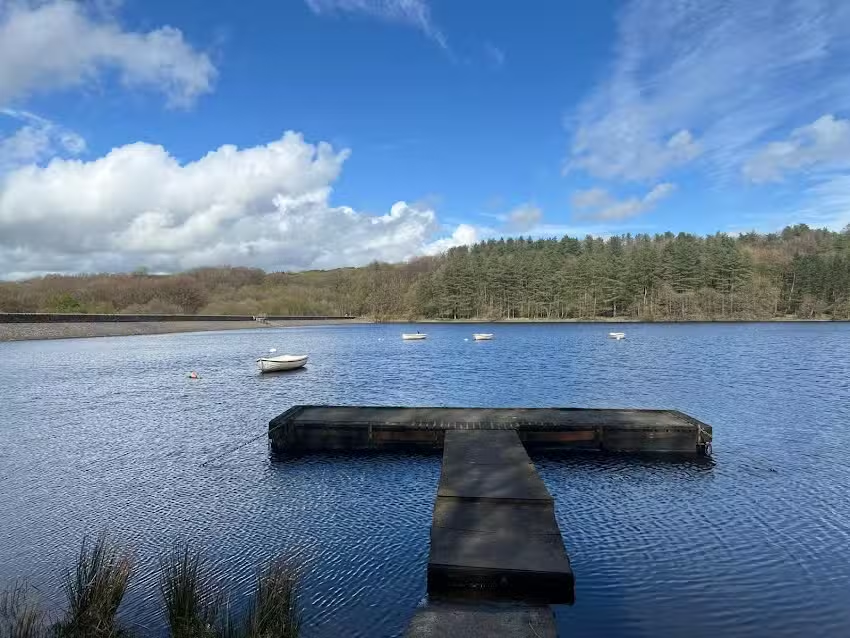
BackThe Horwich and District Fly Fishing Club stands as a dedicated hub for enthusiasts of fly fishing clubs in Lancashire, offering access to Upper Roddlesworth Reservoir, a 24-acre water body that has drawn anglers since the club secured its lease in 1983. Formed in 1978 amid rising local interest in the sport, this establishment caters to both committed members and day ticket holders seeking quality trout fishing without the press of overcrowding. Members contribute through regular maintenance efforts, such as clearing casting areas and reinforcing banks, which helps sustain the venue’s appeal for those pursuing brown trout, rainbows, and blues in a controlled environment.
Trout Quality and Stocking
Anglers often praise the robust stocking programme, with fish typically exceeding 1.5 pounds and exhibiting strong fighting qualities that challenge even seasoned casters. Reports highlight successful catches using a range of techniques, from surface dry flies like hawthorn patterns during evening rises to subsurface nymphs such as diawl bachs and montana nymphs fished deep. The presence of pristine wild brown trout alongside stocked rainbows and blues adds variety, with some specimens leaping several feet from the water in spirited displays.
Those targeting larger fish find the reservoir rewarding, as averages push beyond two pounds for many landed trout, making it a solid choice among fly fishing reservoirs in the North West. The club’s efforts to maintain high stocking levels ensure consistent action, particularly when conditions align with settled weather that encourages fish to feed actively across the water.
Member Support and Community
A key strength lies in the welcoming attitude of members, who readily share insights on productive spots, effective flies, and tactical adjustments based on daily patterns. Newcomers benefit from this camaraderie, turning potential solo outings into collaborative learning experiences where advice flows freely amid the rods and reels. This fosters a sense of belonging typical of well-run fly fishing associations, where collective knowledge elevates individual success rates.
Club-organised trips to external waters and social gatherings further bond participants, extending the appeal beyond the reservoir banks. Such events provide opportunities to hone skills in diverse settings, appealing to those who view trout fishing clubs as more than just a fishing spot but a network for growth in the sport.
Scenic Setting and Accessibility
The reservoir’s position within the scenic Rivington chain enhances the overall experience, with tree-lined shores offering sheltered pockets ideal for roll casting under overhanging branches. A substantial bank section, over 1000 yards, remains protected from public footpaths, allowing undisturbed focus during peak times. This setup suits bank anglers preferring to roam and prospect for rising fish without constant interruption.
Day tickets make entry straightforward for visitors, with options accommodating juniors and families under specific rules, broadening access to Lancashire fly fishing without mandating full membership. The venue’s proximity to major roads facilitates repeat visits, positioning it competitively against other regional fisheries.
Challenges with Disturbances
Despite protections, proximity to walking paths introduces occasional disruptions from passers-by and dogs, particularly on busier days when noise levels rise. Those sensitive to such interruptions may need to seek out the secluded stretches, though not all sessions guarantee solitude. This aspect tempers the otherwise tranquil atmosphere, a common trade-off at natural waters shared with public trails.
Day Ticket Experiences
Visitors on day permits report mixed outcomes, with some enjoying multiple hook-ups on buzzers, sedges, or black dries, including pristine browns that delight purists. However, others encounter slower periods, blanking across trips due to variable hatches or fish behaviour. The need for a lengthy approach to certain banks can deter casual anglers favouring easier access elsewhere in the North West.
Boat usage by members sometimes encroaches on bank fishing zones, with casts landing close or vessels navigating fished areas, potentially spooking trout. This dynamic requires patience and positioning awareness, highlighting how member priorities occasionally clash with guest expectations in shared brown trout fisheries.
Fly Selection and Tactics
Success hinges on adapting to conditions, with dry flies excelling during rises and streamers or nymphs probing deeper on calmer days. North country spiders prove effective for rainbows, while daddies draw aggressive responses from blues. Anglers experimenting with floating lines and varied retrieves often outperform static presentations, underscoring the reservoir’s demand for versatile approaches in fly fishing Lancashire spots.
The dam wall offers straightforward casting platforms for beginners, contrasting with bankside trees that reward advanced roll casts. Evening sessions frequently yield spectacular action as trout surface, rewarding those who linger with spectacular fights from well-conditioned stock.
Maintenance and Sustainability
Ongoing working parties demonstrate commitment to habitat upkeep, trimming vegetation to preserve open water and reinforcing eroding edges. These efforts not only aid casting but also support trout populations by maintaining water quality and access points. Such proactive involvement sets a standard for UK fly fishing clubs, ensuring long-term viability amid environmental pressures.
Fish averaging strong sizes and vivid colours reflect careful management, with gutted catches praised for table quality. This balance of sport and sustenance appeals to practical anglers valuing both the chase and the reward.
Comparisons to Regional Options
Against peers like Barnsfold Waters or Bank House Fly Fishery, this club offers comparable stocking and scenery at accessible rates, though access logistics and occasional crowds differentiate it. Where others provide boats universally, here members hold priority, nudging bank-focused day trippers toward alternatives with fewer restrictions. Still, its wild brown trout edge attracts traditionalists over purely stocked venues.
For Lancashire residents, it ranks among top trout reservoirs, blending natural beauty with reliable action, albeit requiring adaptability to quirks like path noise or boat traffic. Those prioritising member-like immersion find it compelling, while pure convenience seekers may explore easier sites.
Prospects for Membership
Limited numbers prevent overcrowding, preserving rod averages around three from banks and higher for boats. Applications involve demonstrating commitment, aligning with the club’s ethos of active participation. Prospective members weigh this exclusivity against day ticket flexibility, often finding the investment worthwhile for unlimited access and insider perks.
Social facets, from advice-sharing to excursions, enrich membership, making it a cornerstone for dedicated fly anglers Lancashire based. The blend of scenery, fish quality, and community support cements its status, even as minor drawbacks remind visitors of its natural, unmanaged edges.