Limbrick fishery
BackLimbrick fishery presents itself as a dedicated coarse fishing complex that appeals to a wide range of anglers, from absolute beginners to experienced carp specialists. The venue is arranged around three distinct waters, and this variety is one of its main strengths, giving visitors the chance to tailor each session to their preferred style. Feedback from regulars consistently mentions the mix of species, the potential for memorable sessions with quality carp and silver fish, and a generally relaxed yet well‑managed atmosphere. At the same time, there are a few practical drawbacks that potential visitors should be aware of, especially around facilities and some changes expected in the near future, so it is worth weighing both sides before planning a trip.
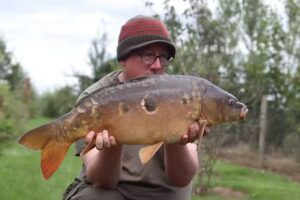
For many visitors, the biggest attraction of Limbrick fishery is the opportunity to target carp across different levels of difficulty. Anglers report catching multiple carp in a single day, with fish into the low twenties on the main back lake, which is a solid prospect for a day‑ticket water of this size. Those who enjoy using modern carp tactics such as method or pellet feeders, wafters and strong main lines will find plenty of scope to put their rigs to the test. A typical session can include a mix of carp, tench and other species rather than long, uneventful waits, which makes it particularly appealing if you value action as much as size. The lakes respond well as the water warms, and there are comments about fish confidently taking micro pellet feeder approaches once the sun is on the water, offering the kind of consistent sport many day‑ticket anglers look for.
The presence of clearly defined lakes means Limbrick fishery can offer something more structured than a single mixed pool. On the smaller doughnut‑shaped water, the emphasis is on easier fishing and steady bites, with anglers mentioning healthy stocks of silver bream, roach, tench, ide, crucians and small carp. This is the sort of water where a simple float setup or light feeder can produce bites throughout the day, making it a useful stepping stone for newcomers who are just becoming familiar with fishing lakes and basic tackle. More experienced anglers may not find it technically demanding, but for family visits and learners it scores highly because it is rarely crowded and tends to be forgiving.
The larger doughnut lake raises the challenge slightly and is frequently highlighted by visiting coaches and club groups. Here, the stock is reported to include ide to around 4 lb, F1s to roughly 5 lb, mirror and common carp into double figures, as well as tench and perch. These mixed stocks encourage anglers to refine their presentation and feeding patterns; tactics such as fishing shallow and feeding little and often are mentioned as particularly effective. This focus on technique adds depth for those who want more than simply casting and waiting. For anglers looking to build confidence in reading a water and adjusting their approach, it is an appealing middle ground between the simple action of the smaller pool and the more demanding carp lake at the back.
The back lake is described as predominantly a carp water, with average fish weights around the mid‑single figures and specimens pushing close to 20 lb. It is shallow and silty, with features such as floating islands and an aerator moored to the lake bed, which makes watercraft and robust tackle important. Regular visitors warn that fish will readily use these features to gain an advantage, so stepping up line strength and playing fish positively is essential. This layout will suit anglers who enjoy problem‑solving and testing their skills against fish that know how to use their environment. At the same time, the possibility of being cut off around fixed structures can be frustrating if you are not prepared or are using lighter gear more suited to general coarse fishing.
Limbrick fishery has developed a reputation for being welcoming to structured coaching and educational groups, which gives it a broader role than many small fisheries. Angling coaches have been using the complex regularly with school groups, council projects and private clients, pointing to the flexibility offered by three contrasting lakes. The owner is often described as supportive and straightforward, particularly in backing coaching activities and helping new anglers feel comfortable. However, he is also noted as someone who insists that fishery rules are respected, which may be viewed as either a positive or a negative depending on your expectations. For most visitors, clear rules around methods, fish care and behaviour are an advantage, as they help protect the venue and maintain fair fishing for everyone.
Facilities on site are relatively modest but generally appreciated by visiting anglers. There is a simple toilet provision, usually a porta‑loo, which many reviewers comment is kept clean, and this basic level of comfort can make a difference during longer sessions. In recent seasons, a food trailer has operated on site, offering cooked food and hot and cold drinks, and this has been singled out as a highlight by several visitors. Home‑style snacks and the convenience of fresh food between casts can add a lot of value to a day, especially when fishing with family. Nevertheless, there are indications that this catering option may cease operating in the near future, which would leave a noticeable gap in the overall experience unless a replacement is arranged.
Overnight and short‑stay anglers are also catered for through pods and touring pitches on and around the complex. Reports mention pods with access to electricity, making them suitable for multi‑day sessions without needing to rely solely on battery power or minimal gear. Touring caravan pitches have also been highlighted by visitors who combine short breaks with time on the bank, appreciating the ability to stay close to the water without formal holiday‑park infrastructure. While these options add versatility, it is worth noting that the pods are limited in number, so advance planning is likely to be necessary during peak periods. Prospective visitors should also be conscious that, although these facilities are comfortable for many, they remain relatively simple compared with dedicated holiday venues.
Aesthetics and general upkeep are recurring themes in feedback about Limbrick fishery. Anglers regularly describe the setting as attractive, with tidy grounds and pleasant views, suggesting that the current owners have invested considerable effort in renovating and maintaining the site. Comments on recent improvements indicate that the complex has undergone noticeable upgrades under new ownership, including work on the banks, pegs and general presentation. This attention to detail makes sessions feel more relaxed, as anglers do not have to contend with overgrown access or unsafe platforms. Occasional events, such as themed evenings or informal gatherings, have also been mentioned, adding a social element that some visitors appreciate alongside their fishing.
From a practical perspective, Limbrick fishery operates a straightforward day‑ticket system with an honesty box in use at times, meaning anglers are expected to bring cash and pay unassisted when staff are not immediately present. Many see this as a sign of trust and a relaxed environment, and describe the ticket prices as reasonable relative to the quality of the fishing available. However, the reliance on cash and honesty can be inconvenient if you are used to paying by card, and it may raise questions for some visitors about how closely the site is supervised at quieter times. For those who prefer a more formal reception or staffed shop, this minimalist approach could feel a little too hands‑off.
One clear limitation compared with larger commercial fishing tackle complexes is the absence of a fully‑fledged on‑site tackle shop. While basic needs can often be met through the food trailer or by bringing your own equipment, there is no extensive range of rods, reels, end tackle or bait available on demand. This means that visitors must arrive well prepared with everything from rigs and feeders to bait for carp and silver fish, as there may be no opportunity to replace lost gear or experiment with new items once on the bank. For anglers who enjoy browsing a tackle shop before a session or rely on picking up last‑minute supplies, this can be a drawback. On the other hand, it helps the venue remain focused on providing coarse fishing rather than retail, which some anglers prefer.
Accessibility is another aspect where Limbrick fishery offers a mixture of strengths and minor challenges. The entrance is described as wheelchair accessible, and the general layout of the complex allows many anglers to reach pegs without negotiating steep or uneven ground. This is particularly beneficial for older anglers, those with reduced mobility and young families, who may be put off by more demanding terrain. However, as with many small fisheries, not every peg will be equally accessible, and recent weather conditions can influence how easy it is to move equipment around the site. Prospective visitors with specific mobility needs may wish to make advance enquiries to identify the most suitable areas to fish.
In terms of the fishing experience itself, Limbrick fishery appears to strike a balance between providing reliable action and maintaining enough challenge to keep regular visitors interested. The range of species across the lakes supports float, feeder and simple ledger approaches, and offers opportunities for margin fishing, open‑water casting and feature fishing around islands and aerators. Coaching sessions and the presence of experienced anglers, including local content creators and angling educators, contribute to a culture where advice is often shared freely. This can be reassuring for newcomers who might otherwise feel intimidated by stepping onto a new venue. For seasoned anglers, the chance to fine‑tune tactics on well‑stocked yet thoughtful waters is an appealing reason to return.
At the same time, the very popularity and positive reputation of Limbrick fishery can lead to some pressure on pegs, particularly during good weather or school holidays when coaching groups and casual visitors converge. On such days, the quieter benefits of the smaller doughnut lake may be offset by activity elsewhere on the complex, and those seeking solitude might prefer off‑peak visits. The strictly enforced rules, while important for fish welfare and fairness, can feel restrictive to anglers who favour less regulated waters or more experimental methods that fall outside standard coarse fishing practice. As with any fishing lakes open to a broad audience, experiences will vary depending on expectations, timing and the degree to which visitors embrace the culture of the venue.
Overall, Limbrick fishery offers a well‑thought‑out set of waters that accommodate beginners, improvers and more focused carp anglers in a compact, carefully maintained setting. Its strongest points lie in the diversity of fishing across the three lakes, the supportive but firm management, and the additional benefits of pods and touring pitches for those wanting to stay on site. The combination of clean, simple facilities and a friendly atmosphere makes it attractive for coaching groups and families, while the back lake provides enough size and challenge to keep more serious carp anglers engaged. Potential downsides include the limited retail presence, reliance on cash payments, the likely departure of the food trailer, and occasional peg pressure at busy times. For anyone considering a visit, arriving prepared with bait and tackle, cash for tickets, and a flexible approach to tactics will help make the most out of what this fishery has to offer.