Rhyl Cut Fishing Lakes
BackRhyl Cut Fishing Lakes offers a compact coarse fishery that appeals mainly to local anglers looking for accessible waters with a decent head of fish, but it also presents some clear maintenance challenges that potential visitors should weigh up carefully.
The lake is known for holding silver fish and good-sized tench, giving anglers a realistic chance of varied catches on relatively short sessions. Coarse anglers interested in species such as coarse fishing lakes, tench fishing, and silver fish venues will find that the water has the basic ingredients for enjoyable sport, particularly for those who like to fish close to home without travelling long distances. Local information also highlights freshwater fishing for species like rudd, with online angling platforms listing the lake among the smaller stillwaters in the area that can produce regular bites when conditions and peg choice are favourable.
One of the strongest advantages of Rhyl Cut Fishing Lakes is its accessibility for the community, especially younger or less mobile anglers. The fishery sits within a built-up area and is reachable on foot from surrounding neighbourhoods and community facilities, meaning that people who might not otherwise get to larger carp lakes or remote rural waters can still enjoy a day of coarse angling here. This fits with the wider aim, supported by community groups and organisations, of encouraging more young people into fishing as a healthy outdoor activity right on their doorstep.
Community involvement has played a part in the recent history of Rhyl Cut Fishing Lakes, with local associations and volunteers working on projects to improve the banks and general environment behind nearby recreational areas. These efforts have supported the fishery as an accessible fishing lake where parents can introduce children to simple float fishing, basic match fishing techniques, and the etiquette of angling in a shared public space. The presence of a club structure and links to broader environmental initiatives suggest that the venue is more than just a body of water; it functions as a social and recreational hub where residents can spend time outdoors and learn about water, wildlife, and responsible angling.
For anglers focused on the practical fishing side, reports indicate that the lake supports a reasonable stock of coarse species, with silver fish and tench being the main target. This makes it suitable for those who enjoy light tackle, small hooks, and baits such as maggots, pellets, and sweetcorn when targeting mixed bags, rather than specimen hunting on heavily stocked commercial day ticket lakes. Online catch logs and comments from visiting anglers describe the venue as capable of producing regular bites, which can be attractive to newer anglers wanting action rather than long, uneventful waits.
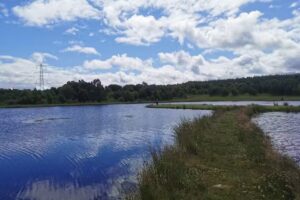
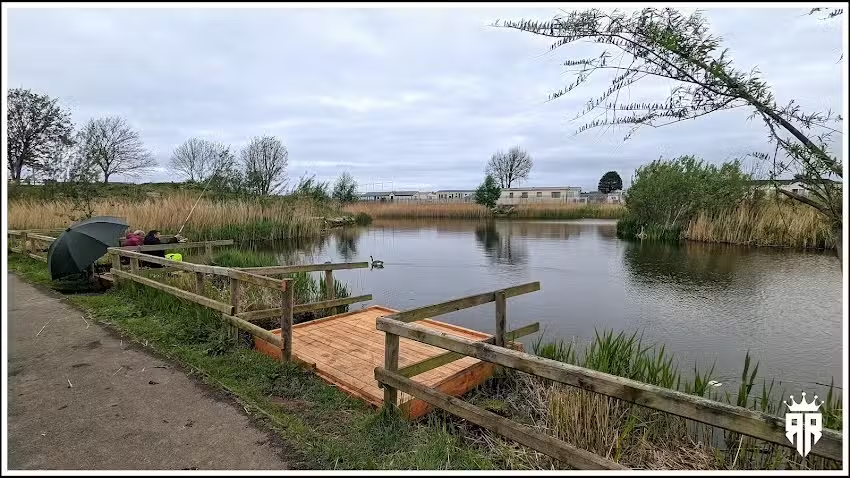
In terms of atmosphere, some visitors describe the walk around the water as pleasant when the conditions are right, using it both as a fishing spot and as a short local walk for relaxation and fresh air. On days when water levels are stable and the banks are reasonably clear, the combination of water, bankside vegetation, and nearby paths can make it a comfortable environment to set up for a few hours of coarse fishing. The location within a long-established watercourse also gives the site a sense of history, linking modern angling with a channel that has shaped local drainage and landscape for generations.
Strengths of Rhyl Cut Fishing Lakes for anglers
- Accessible local option for coarse fishing without the need for long car journeys.
- Presence of silver fish and tench offering varied sport for pleasure and club-style match fishing approaches.
- Community-focused setting that supports young anglers and beginners learning the basics of rod and reel techniques.
- Potential for inexpensive visits compared with many commercial fisheries, with ticket structures historically including on‑bank payment and local tackle shop options.
At the same time, potential visitors should be aware that Rhyl Cut Fishing Lakes has been criticised for its condition, especially in recent times. Several anglers who have checked the venue with a view to fishing it mention substantial weed growth, overgrown pegs, and a generally neglected feel to certain stretches. Comments highlight thick weeds in the water and on the banks, with some swims difficult to access or cast from without cutting back vegetation. There have even been remarks about discarded items in the water, such as an old tyre, which reinforce the impression that regular, detailed maintenance is not always carried out to the standard many anglers might expect from a well-kept fishing venue.
Maintenance responsibilities around the Cut more broadly have been a point of debate, with public bodies and local landowners each having different roles in managing vegetation, litter, and water flow. In practice, this can mean that some sections near the lakes become heavily overgrown with reeds and nettles, and paths or informal access routes may be less clear than they once were. Walkers and anglers have raised concerns about long grass and uncut areas making bankside access difficult, which is particularly relevant for those carrying tackle or setting up chairs, seat boxes, or match fishing platforms.
Some visitors express frustration that what could be an attractive, well‑used local fishing lake sometimes feels under‑maintained, especially during periods of rapid vegetation growth. Weed‑choked margins can make certain pegs hard to fish, both for float and feeder tactics, and may lead to more lost rigs and snagged fish than on a clearer, regularly managed stillwater. This is important for prospective visitors to consider, particularly those used to tidy commercial coarse fisheries where pegs are strimmed regularly and snags are kept to a minimum.
Weather and water conditions can also affect the experience at Rhyl Cut Fishing Lakes. In periods of heavy rain or high water levels, parts of the surrounding area have been reported as flooded, which can temporarily reduce the appeal of the path network and make access less straightforward for anglers carrying gear. Although such conditions are not permanent, they add an extra layer of unpredictability compared with some purpose‑built fishing lakes designed with high, well‑drained banks and extensive hard standing.
Fishing style and who the venue suits
Anglers who will get the most from Rhyl Cut Fishing Lakes tend to be those who value convenience and community access over pristine presentation. If you enjoy simple pleasure sessions with light tackle, focusing on float fishing, short‑range feeder work, or pole tactics for silver fish and tench, this water can offer worthwhile sport when the pegs are fishable. It is not a classic big‑fish carp fishing destination, and visiting solely in search of specimen carp would likely lead to disappointment compared with more specialised carp lakes in the wider region.
Families introducing children to angling may appreciate the proximity to residential streets and community facilities, together with the manageable size of the lake, which makes it easier to keep youngsters in sight. The emphasis on local participation, including club projects and support for youth angling, fits well with short, relaxed sessions using simple rigs and easily handled tackle. However, adults bringing children should factor in the mixed reports on bank condition and weeds, as some swims may not be ideal for very young anglers or those who need very stable, open platforms.
More experienced anglers may treat Rhyl Cut Fishing Lakes as a convenient practice water for refining light coarse fishing methods rather than as a flagship venue. The presence of weed and snags can be seen by some as an added challenge, encouraging accurate casting, careful line control, and thoughtful swim choice, though for others it may simply feel like unnecessary hassle compared with cleaner commercial pools. Ultimately, expectations should be set around a modest, community‑level fishing lake that offers accessible sport but does not aim to compete with high‑end purpose‑built fisheries.
Practical notes for potential visitors
Prospective anglers are often interested in permits and conditions, and historically tickets for Rhyl Cut Fishing Lakes have been available on the bank, with reduced rates when purchased through a local tackle and bait shop. Anyone planning a session should check current arrangements through local angling contacts, community pages, or the managing club, especially regarding the need for an appropriate fishing licence and any venue‑specific rules such as bait restrictions or keepnet policies. As with all UK waters, anglers are expected to hold the relevant national licence where required and to follow accepted standards on fish care and litter.
Because maintenance and weed levels can vary over time, it is sensible for first‑time visitors to look up recent comments from other anglers or local groups before committing to a long session. Some pegs may be overgrown at certain times of year, while others remain usable with only minor work, so having up‑to‑date impressions helps to avoid disappointment. Checking recent images and posts on community pages or angling platforms can give a clearer picture of current bank conditions and water clarity than relying solely on older descriptions.
Balanced view of Rhyl Cut Fishing Lakes
Rhyl Cut Fishing Lakes stands out as a small but meaningful part of the local angling scene, providing a place where residents can practice coarse fishing, enjoy time outdoors, and introduce new generations to the sport in an accessible setting. Its strengths lie in community focus, ease of access, and the presence of silver fish and tench that respond well to traditional float and feeder tactics. On the other hand, recurring concerns about weed growth, overgrown pegs, and general upkeep mean that the experience can fall short of what some anglers look for in more polished fishing venues.
For potential visitors, the lake is best approached with realistic expectations: it offers genuine opportunities for relaxed coarse angling close to home, but anglers should be prepared for stretches that feel rough around the edges and may require some flexibility in peg choice. Those who prioritise perfectly manicured banks and heavily stocked commercial pools might prefer alternative waters, while those who value local access and community character may find Rhyl Cut Fishing Lakes an acceptable, if imperfect, option for casual fishing trips.