
Tucking Mill Reservoir
BackTucking Mill Reservoir is a compact coarse fishery reserved for anglers with disabilities and their guests, offering an unusually focused blend of accessibility and peaceful surroundings rather than a large commercial operation. The site is managed by Wessex Water and operates as a free venue for eligible visitors, which immediately sets it apart from many pay-per-day coarse fisheries in the area, but this also means access is strictly controlled and not suitable for every angler profile.
One of the strongest aspects of Tucking Mill Reservoir is its clear commitment to inclusive angling, with multiple purpose-built wheelchair-accessible platforms positioned around the water. Reviews and fishery descriptions highlight that there are a number of generous concrete or timber swims designed so that wheelchair users can manoeuvre safely and fish comfortably, including platforms large enough to accommodate an angler and an assistant side by side. Surfaces are generally level, with parking close to the water and vehicle access controlled by an automatic gate, which helps reduce unnecessary traffic while keeping entry practical for those who need to park near their peg.
From an angling perspective, this is a classic coarse fishing venue with a well-documented stock profile that will appeal to those who enjoy mixed-species sessions rather than single‑species specimen hunting. The reservoir holds roach, rudd, bream, perch, chub, tench, gudgeon and various strains of carp, with reports of perch approaching 4 lb, chub around the 3½–4 lb mark and carp that regularly reach double figures. Anglers also mention attractive white and orange koi carp of around 5 lb, which add a bit of variety and visual interest when they turn up in the net. For visitors who enjoy steady sport with a range of species, the fishery is set up to deliver consistent bites rather than rare trophy fish.
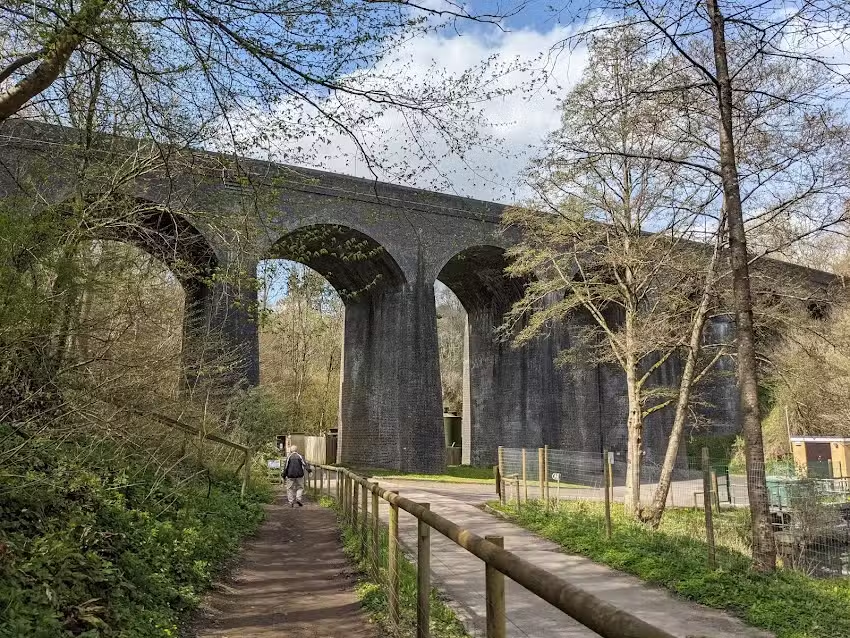
The overall atmosphere around the reservoir is generally described as calm and scenic, framed by woodland and a notable railway bridge that many visitors enjoy viewing from below. Some comments focus on the pleasure of walking the lanes near the water and simply spending time in a quiet rural spot, even for those who are not fishing. However, several reviewers also point out that the reservoir is extensively fenced and access to the water’s edge is tightly restricted, so those hoping for open bankside wandering or photography opportunities may feel somewhat constrained.
Tucking Mill Reservoir operates on a very specific access model: it is free to fish but only open to anglers with disabilities, each of whom may usually bring an assistant who can share the same platform. This structure means that the venue is not a general public fishery; instead, it targets a group of anglers who often find mainstream venues challenging due to steps, uneven banks or lack of suitable toilet provision. For that audience, the combination of tailored swims, dedicated parking and controlled entry can make a day’s coarse fishing significantly more manageable and less tiring.
Facilities on site are functional rather than extensive, and potential visitors should be aware of these limitations. The fishery information confirms there is no on‑site café, tackle shop, shelter or indoor social area, so anglers need to arrive self‑sufficient with food, drink and equipment. Toilets are specifically designed for visitors with disabilities and are only accessible to those with a RADAR key, which offers privacy and security but requires advance preparation for anyone who does not already own one. There are no showers or changing rooms, and the emphasis is very much on practical access to the water rather than a broader leisure complex.
Recent updates by Wessex Water indicate ongoing investment in the site, including a refurbished accessible car park and continuing work around the adjacent treatment facilities. These improvements have allowed the reservoir to reopen after periods of closure, although visitors are advised to drive carefully and respect any construction boundaries. At present, anglers are limited to fishing from designated dam swims rather than the whole perimeter, which concentrates activity into a smaller section of bank; while this helps manage safety during works, it may reduce choice of pegs at busy times.
In terms of angling experience, feedback suggests that the swims themselves are a good size and generally well maintained, giving ample space for wheelchairs, tackle, and an assistant when needed. One reviewer specifically praised the reservoir as a great place for disabled anglers to fish, noting the quality of the platforms and the general upkeep of the area. The fish stock is often described as healthy, with a large range of species and fish that are in good condition, which is encouraging for anyone planning repeat visits.
However, opinions differ on how engaging the site is for non‑angling visitors or those looking for more open access to the banks. Several reviews mention that much of the reservoir is fenced off, with only limited vantage points where you can look through or over the barriers to the water, and that the main appeal for some is actually the view of the railway bridge rather than the lake itself. This can leave casual walkers feeling that they are always at arm’s length from the water, and anyone expecting a large, freely accessible country park experience is likely to be disappointed.
For anglers focused on accessibility, the controlled layout and restricted entry can be an advantage, reducing crowding and discouraging non‑fishing use of the platforms. The environment tends to feel quiet and orderly, which is beneficial for those who value a relaxed session without constant disturbance. On the other hand, the lack of general amenities and the absence of on‑site staff or shop facilities mean that Tucking Mill Reservoir is best suited to visitors who are comfortable organising their own bait, tackle and refreshments in advance.
Fishing at Tucking Mill Reservoir follows a structured timetable, with specified seasons and finishing times during the year, and anglers are required to book a ticket before attending. This online booking approach allows the operators to manage numbers and maintain a safe, low‑pressure environment, which is particularly important for a venue dedicated to disabled anglers. It does mean, though, that spontaneous last‑minute trips without prior booking are not an option, and those who are used to turning up and paying on the bank will need to adjust to a more organised system.
Species mix and the nature of the water make Tucking Mill Reservoir a logical choice for anglers who enjoy traditional float or feeder tactics in a sheltered setting. Reports and fishery descriptions emphasise typical fishing lakes approaches aimed at roach, bream and tench, alongside stronger tackle for carp, which can run into double figures. For beginners or those returning to angling after a break, this variety can make sessions more engaging, as there is always the chance of a surprise carp or perch among the smaller silver fish.
The reservoir has also been used as a venue for structured angling events, including family‑friendly sessions designed to introduce newcomers to the sport. These events provide tackle and coaching so that participants can experience coarse fishing without needing to own equipment, and they are geared towards people of all ages and ability levels. This educational and introductory role reinforces the site’s reputation as a supportive environment rather than a highly competitive specimen water.
From a potential customer’s viewpoint, the key strengths of Tucking Mill Reservoir lie in its dedicated accessibility features, free entry for qualifying disabled anglers, and diverse coarse fish stocks. The surroundings are attractive and generally quiet, and the design of the swims means that wheelchair users and those with mobility issues can focus on their fishing without constantly battling awkward banks or cramped pegs. The absence of commercial pressures, such as high day‑ticket prices or on‑site sales, can also make visits feel more relaxed and financially accessible.
At the same time, there are clear limitations that visitors should factor into their decision. The strong fencing and restricted bank access can feel uninviting for those who simply want to walk around the water, and even some anglers comment that views of the reservoir are limited from certain vantage points. Facilities are basic, with no café or shop, and those without a RADAR key or personal transport may find the site less convenient than more conventional commercial fishing lakes with full‑service setups.
For disabled anglers who prioritise level access, well‑designed platforms and a mixed‑species coarse fishery that does not charge for entry, Tucking Mill Reservoir offers a distinctive option that is not easily replicated elsewhere. For casual walkers or non‑disabled anglers seeking a more open, recreational water, its tightly defined access rules and minimalist facilities may make it less suitable. Understanding these strengths and limitations helps potential visitors decide whether this focused, accessibility‑driven fishery aligns with what they want from a day by the water.