
Lower Itchen Fishery
BackLower Itchen Fishery presents a distinctive proposition for anglers who value classic English chalk stream character combined with a managed, semi-exclusive experience focused on quality rather than sheer convenience. Visitors tend to highlight the strength of the wild and semi-wild fish populations, the care taken over the river habitat and the chance to target multiple species in one visit, while also acknowledging that access is controlled, numbers are limited and the style of fishing will not suit everyone.
At the heart of the appeal is the river itself, a carefully managed stretch of the famous Itchen that retains clear flows, clean gravel and well-maintained banks for comfortable wading and bank fishing. Regular anglers describe long, steady glides and defined runs that lend themselves to precise presentation, whether you favour delicate upstream casts or more methodical searching with heavier patterns and traditional float tactics. There is an emphasis on the river being kept in good order; the beats are strimmed and accessible without feeling manicured to the point of sterility, which helps the water retain much of its natural character.
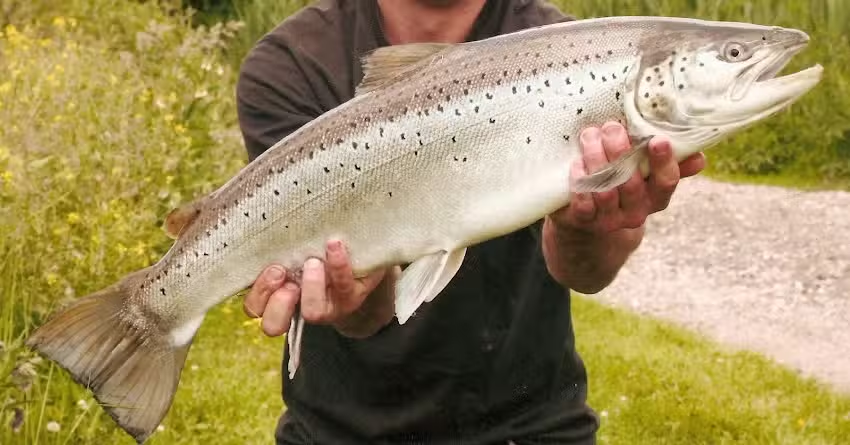
Species diversity is a major strength and a key reason many anglers return. The fishery is known for its brown trout fishing, with a mix of wild fish and well-conditioned stock that respond well to traditional chalk stream methods, particularly in the prime months of late spring and early summer. Reports from visiting rods talk about sessions with multiple trout up to a couple of pounds, often interspersed with bonus fish when conditions are right. Those who prize classic upstream dry-fly work will find hatches and rising fish at the right times of year, while nymphing and wet fly approaches can keep the rod bending when surface activity is limited.
Salmon are another headline attraction and form a strong part of the fishery’s reputation. Long-term visitors reference seasons with notably high salmon catches, and there is a tradition of anglers targeting migratory fish at specific windows in the year when runs are at their best. While no fishery can ever guarantee a salmon, the structure of this stretch, with pools, lies and deeper channels, offers genuine opportunity, especially for those prepared to work steadily through the water. Night-time sessions for sea trout add another dimension for dedicated rods willing to adapt to low-light tactics and more subtle presentations.
For many regulars, however, the standout attraction is the quality of the grayling fishing. Visiting coarse and game anglers alike report exceptional winter sport, with days where individual rods have landed large numbers of grayling, including fish over two pounds recorded historically. Guided trips and independent visits describe sessions with steady bites throughout the day, often mixed with out-of-season trout that underline how rich the river is for game species even in colder months. The combination of steady flow, clean gravel and careful management has helped the grayling thrive, making this fishery a notable destination for those who regard the ‘lady of the stream’ as a serious quarry.
The coarse element extends beyond grayling, and here the venue earns positive comment from anglers who enjoy variety. Accounts of winter days mention chub to impressive sizes, alongside roach and other coarse species that respond to float-fished baits or carefully presented ledger rigs in steadier water. Some visitors note that there are opportunities to alternate between classic game fishing and more traditional coarse tactics on the lower beats when permitted, giving flexibility to match the approach to conditions on the day. For those seeking a mixed-species challenge, the combination of trout, grayling and chub in the same session is a particular draw.
From a customer-service perspective, much of the feedback focuses on the management team and riverkeeping. Anglers often comment that the keeper is attentive, approachable and clearly invested in the health of the river, from habitat work to bank access and hut maintenance. The presence of an engaged riverkeeper tends to give visitors confidence that any issues on the day will be dealt with promptly and that the fishery is actively monitored rather than left to decline. For newcomers, this can be reassuring, especially when accessing a chalk stream for the first time and seeking advice on where to start and what tactics are currently effective.
In terms of atmosphere, many anglers describe their days here as memorable and even formative. Testimonials speak of trips that remain vivid years later, with multiple fish landed and the sense of having experienced something special without having to travel to distant destinations. Google reviewers echo this sentiment, recalling occasions where the fishing remained productive even in less-than-ideal conditions such as coloured water or when the river was carrying extra height. The setting retains a sense of tranquillity despite being within reach of busier areas, which contributes to a feeling of escape that many visitors value highly.
That said, there are aspects that potential visitors should weigh carefully. The fishery operates on a controlled-access model, with availability divided between season rods, corporate bookings and a limited number of pre-booked day tickets. This structure helps keep angling pressure down and preserves the quality of the experience, but it also means spontaneous visits are unlikely; planning ahead is almost always necessary. For some anglers used to turning up at day-ticket lakes or rivers at short notice, this requirement for pre-arrangement may feel restrictive.
Pricing is another consideration that will not suit every budget. As with many southern English chalk streams, the fishery is positioned at the premium end of the market, reflecting both the cost of maintaining the habitat and the perceived value of access to renowned salmon and trout water. Anglers often feel that the quality and exclusivity justify the outlay, especially when judged against the number and size of fish encountered, but for those primarily seeking low-cost local fishing, the fee structure can be a barrier. From a directory perspective, this places Lower Itchen Fishery firmly in the category of a destination venue rather than an everyday option for casual coarse anglers.
Another factor to consider is that the fishery’s character and strengths demand a degree of angling competence to be fully appreciated. While it is certainly possible for less experienced anglers to enjoy productive days, the more technical nature of chalk stream presentation, the emphasis on watercraft and the sometimes subtle feeding patterns of trout and grayling can challenge those who are completely new to river fishing. The venue does offer or work with tuition and guiding services at times, which can bridge this gap, but anyone expecting easy, heavily stocked pond-style sport may find the experience more demanding than anticipated.
The nature of the water also means that environmental factors have a tangible impact. Levels, clarity and weed growth all influence how and where fish hold, and some feedback indicates that timing visits to match favourable conditions can make the difference between a red-letter day and a tougher session. High water or heavy colour will not necessarily stop the fish feeding, but they can alter where bites come from and may limit certain methods, especially the more delicate upstream dry-fly approaches that many anglers hope to use. Those prepared to adapt, switching to nymphs, heavier floats or alternative beats, tend to fare better.
On the positive side, the fishery has cultivated a reputation for welcoming varied styles within its rules, and this flexibility is regularly mentioned as a strength. Fly-only stretches remain central to its identity, but certain parts of the water and certain times of year allow carefully controlled coarse methods, which broadens the appeal beyond dedicated fly anglers. This dual identity as both a classic game fishery and a productive winter coarse venue sets it apart from many rivers that only cater to one discipline.
For potential visitors comparing options, it is worth noting that Lower Itchen Fishery is often spoken of alongside other well-known southern chalk streams in terms of quality, yet it maintains its own distinct character. The mix of salmon, trout, grayling and coarse species, combined with corporate offerings and season-rod structures, makes it suitable for individual rods seeking a special day out, small groups wanting a shared experience and hosted parties looking for structured events on the river. However, the emphasis remains firmly on angling; it is not a general leisure attraction, and its appeal will be strongest to those who see time on the bank as the main reason for visiting.
Taking both strengths and limitations into account, Lower Itchen Fishery stands out as a thoughtful choice for anglers willing to invest in high-quality river fishing rather than simply chasing the cheapest ticket. The combination of well-kept beats, attentive riverkeeping, diverse species and opportunities for both game and coarse methods has earned it praise from many regulars over the years. At the same time, the need to pre-book, the premium cost and the more technical nature of chalk stream fishing mean it will not be the ideal fit for every angler, particularly those just starting out or looking for very casual, inexpensive outings. For informed visitors who understand these trade-offs, this stretch offers the chance of memorable days targeting salmon fishing, trout fishing and grayling fishing on a river with a long-standing reputation for quality sport.
