Derwent Reservoir Fisheries
BackDerwent Reservoir Fisheries operates as part of the wider Waterside Parks network and focuses on providing a structured and well-managed experience for anglers who value stocked trout fishing, coarse sessions and access to basic visitor facilities rather than a traditional high-street tackle shop environment. The set-up is geared towards day-ticket anglers looking for rainbow trout, quality roach and pike, with clear rules, bank access and ranger support for those who want a straightforward day by the water. This combination makes it relevant for visitors searching for a managed venue rather than purely wild fishing, blending a controlled fishery with some of the atmosphere of a country park.
The core attraction for many visitors is the chance to target stocked rainbow trout and specimen fish in a large water that offers a variety of banks and depths. The reservoir is regularly stocked from the operator’s own Teesdale fish farm, and information from the fishery highlights good numbers of fish around the 3 lb mark alongside occasional larger trout reaching double figures. For anglers who prize the feel of connecting with a strong fish rather than scratching for small bites, this emphasis on bigger trout is a clear advantage. Coarse anglers also have the option to focus on roach and pike, with the dam wall particularly noted as a productive area for non-trout species. This blend of trout and coarse opportunity means that groups with differing preferences can often fish the same water without needing separate venues.
From a technical angling perspective, Derwent Reservoir Fisheries is marketed as an any-method venue, which broadens the appeal beyond traditional fly anglers. Fly fishing remains a key part of the offer, with sheltered bays and varied depths that suit intermediate and more experienced fly anglers who want to cover water effectively. At the same time, bait anglers can make full use of float and ledger tactics, and spinning is also permitted, making the fishery accessible to those who may not yet have fly-casting skills. The operator explicitly mentions that loose feeding and groundbaiting are allowed in appropriate areas, giving coarse anglers and bait trout anglers scope to build swims and fish methodically over the course of a session.
For potential visitors looking for a venue that supports different styles of angling, this flexibility matters just as much as the stock itself. A group might include an avid fly angler, a family member more comfortable with a float rod and someone who prefers spinning for predators, and Derwent Reservoir Fisheries can accommodate all three approaches under one permit structure. The dam wall, sheltered bays and named hot spots around the banks provide distinct target areas, allowing anglers to move and adapt rather than being confined to a small, heavily pressured pond. At the same time, the sheer size of the water means that catch rates can vary significantly; some anglers report excellent sport, while others find sessions slower and more dependent on conditions and location choice.
One of the well-documented positives is the range of bank locations with differing depths and features, which is particularly attractive to regular anglers who like to fine-tune their approach. The fishery highlights named areas such as Bay of Plenty, Cronkley Meadow, Powhill, Hunter House and First Fence as productive zones, each with its own character and typical methods that work well there. Easy access points suited to float or ledger work, plus stretches that respond to spinning and fly tactics, give anglers practical choices when the wind direction or light conditions change. This variety also means that those willing to walk and experiment are more likely to find fish-holding areas, rather than relying solely on information boards or word-of-mouth on the day.
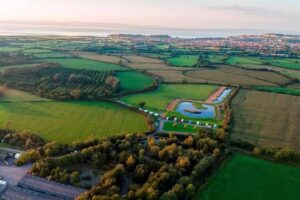
Another aspect that stands out is how the operator integrates the fishery into a broader visitor experience, which can be a significant factor for families or mixed groups. There is an on-site visitor centre where anglers can check in, access toilets and pick up basic refreshments such as tea, coffee, sandwiches and cakes, making longer sessions more comfortable. Picnic areas and maintained paths appeal to non-angling companions who may prefer to walk, watch wildlife or relax while others fish. Several independent visitors describe the area as peaceful and scenic, noting wildlife, views and the sense of open space rather than crowded pegs. For potential customers, this means that a day at the fishery can combine angling with a general day out, rather than being purely a functional fishing trip.
The on-site tackle and bait provision is an important part of the commercial offer. Derwent Reservoir Fisheries includes a shop stocking rods, reels, terminal tackle, accessories, clothing, worms and other baits that are suitable for the venue’s trout and coarse fishing. For visiting anglers who do not want to bring extensive gear, or newcomers who may be trying trout fishing for the first time, having access to essential items on site reduces the risk of a wasted journey. It also allows last-minute adjustments, such as buying additional leaders, different lures or extra groundbait if the chosen method changes as the day unfolds.
Staff and ranger interaction is frequently mentioned by visitors and is one of the clearer strengths of the operation when the experience goes well. Many anglers and families refer to friendly, approachable staff who share practical advice on methods, flies and baits that are currently working, and who help newcomers with basic techniques. There are accounts of rangers going out of their way to support less experienced anglers, which can be pivotal when someone is trying to catch their first trout or pike. Positive feedback also notes that staff work visibly around the reservoir, collecting litter and keeping the environment tidy, which reinforces the impression of a well-managed fishery rather than a neglected bank.
A particularly notable point raised by one angler is the quality of the fish encountered, including memorable individual captures. In one detailed account, a pike session unexpectedly produced a large brown trout estimated at around 12 lb taken on a deadbait intended for predators, which was safely returned and later admired in photographs. This sort of experience underlines the potential for genuinely impressive fish within the reservoir rather than only stock-sized trout, and it can be especially appealing for seasoned anglers who enjoy the chance of specimen encounters. At the same time, the stocking regime aims to provide enough average-sized fish to keep regular anglers engaged, so the venue is not exclusively about chasing a single big fish.
Accessibility is another factor in favour of Derwent Reservoir Fisheries for certain visitors. The operator states that there is a dedicated disabled access platform on the south side of the dam, providing a stable and practical position for less mobile anglers. Car parks and paths make many bank areas reachable without lengthy or difficult walks, although some parts of the shoreline are described as rocky or uneven, which is worth bearing in mind when planning where to fish. Feedback from visitors confirms that while the ground can be awkward in places, there are also more practical spots where setting up a chair, rod pod or bank sticks is straightforward.
However, alongside these positives, there are several drawbacks and limitations that potential customers should weigh when deciding whether this is the right venue for them. One recurring theme is the variability of the fishing itself; some anglers report very productive days with multiple trout or memorable fish, while others find the fishing slow and leave with little to show for their efforts. On a large reservoir, factors such as wind direction, water temperature, recent stocking and angler pressure can strongly influence results, and success often depends on moving, adapting methods and speaking to rangers rather than staying in one spot all day. Those expecting consistently easy fishing akin to a small heavily stocked trout lake may find the reality more challenging and weather-dependent.
The physical nature of parts of the bank can also be a disadvantage for some anglers. Several visitors mention that certain areas are rocky and not particularly practical for setting up, especially if carrying multiple rods, bags and chairs. On wet days this can mean slippery footing and less comfortable seating, so anglers who value convenience above all else might prefer to choose the more accessible platforms and flatter banks rather than heading to steeper, more rugged sections. For parents with children or those with limited mobility, planning ahead and asking staff about the best access points becomes important.
The way rules and closing times are enforced has led to mixed experiences as well. While rules are necessary to manage a large fishery safely, at least one visitor describes a situation in which the interaction with a ranger near closing time felt abrupt and unwelcoming, particularly around the interpretation of “dusk” versus stated closing hours. That review highlights confusion between information on the operator’s online pages and the expectations on site, leaving the anglers feeling they had done something wrong despite believing they were still within permitted times. This suggests that while many staff encounters are positive, there can be inconsistency in communication, and clearer signage or online guidance would help avoid similar misunderstandings.
Facilities themselves, although generally appreciated, are not guaranteed to be available in the same way every day. Some visitors have arrived to find the visitor centre or certain amenities closed, reducing options for refreshments or indoor shelter. As a result, anglers who rely heavily on on-site catering might wish to bring their own food and drink, especially outside peak times. Car parking is pay-and-display, which is standard for this sort of venue, but does introduce an additional cost on top of day permits.
From a customer perspective, it is also worth noting that Derwent Reservoir Fisheries is run as part of a larger water and leisure operation, rather than as a small independent angling shop. This structure brings benefits such as professional stocking, safety policies and integrated visitor services, but it also means that decisions around pricing, ticketing and opening arrangements are managed within a bigger corporate framework. Anglers who prefer a very informal, club-style environment might find the approach more regulated and structured than they are used to, while others will appreciate the clarity and consistency that comes with published rules, clearly defined methods and ranger patrols.
For those focusing specifically on tackle and bait, the on-site shop serves primarily as a convenience outlet for day visitors rather than a destination specialist retailer. It covers core needs for trout and coarse sessions on the reservoir, but anglers seeking highly specialised gear, extensive lure ranges or niche fly patterns may still prefer to stock up at dedicated fishing tackle shop outlets before arrival. The presence of basic items and bait is nonetheless valuable for emergencies, forgotten items and newcomers trying angling without owning a full set of equipment.
Events and taster sessions also form part of the fishery’s identity, with initiatives aimed at encouraging new participants. Structured sessions for families and beginners, often using bait methods to target trout, give people a chance to try angling in a supervised environment with equipment and instruction provided. For the business, this helps introduce fresh customers who may later return to purchase day permits or make use of the on-site shop and facilities. For users, it reduces the barrier to entry and offers a safe way to understand the basics of rigs, casting and fish handling before committing to a full day ticket.
When considering whether to visit, potential customers should balance these strengths and limitations in line with their priorities. Anglers seeking a scenic, open reservoir with a mix of trout fishing, coarse opportunities and access to ranger advice are likely to find plenty to appreciate, especially if they are comfortable adapting to conditions and prepared to move between banks. Those who want guaranteed fast action, very easy bank access everywhere or a purely informal setting may feel that the scale of the water, the physical terrain and the structured rules do not fully match their expectations. In practical terms, coming prepared with suitable footwear, layered clothing, a flexible approach to methods and a willingness to ask staff for up-to-date guidance will make the most of what Derwent Reservoir Fisheries can offer.