Jacklands Fishing Lakes
BackJacklands Fishing Lakes presents itself as a compact, friendly fishery that tries to balance relaxed angling with a small-scale rural experience, combining well-kept waters, a farm shop and a café in one setting. Anglers will find a focus on traditional fly fishing and relaxed coarse fishing, with many visitors commenting that the venue feels approachable for newcomers while still offering enough interest for more experienced rods.
The core of the business is a pair of intimate lakes: a dedicated trout fishery stocked with good-quality rainbow trout, and a separate coarse water that holds a mix of species including carp, tench, roach, rudd, perch and bream. The trout lake is reported to carry fish from around 2 lb upwards, creating a sensible balance between regular takes and the occasional better fish, while the coarse lake offers varied bites rather than specimen-hunting. For many anglers this makes Jacklands more about consistent sport than record-chasing, with a steady chance of action through the session.
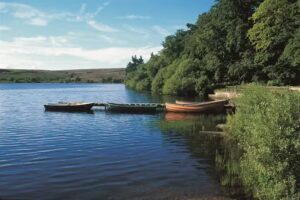
Visitors regularly describe the site as attractive and well kept, with tidy banks and a rural backdrop that adds to the feel of a traditional day-ticket venue. Several independent comments emphasise that the lakes are “beautiful” and “well stocked”, and that the setting feels peaceful without being isolated. This visual appeal matters to anglers who value a relaxed day out as much as a heavy keepnet, and it also supports Jacklands’ role as a destination for families and non-angling companions who may prefer to spend time at the café or walking nearby trails.
In terms of audience, Jacklands clearly leans towards accessibility. The layout of the coarse lake, in particular, is often highlighted as forgiving and comfortable, with enough room between pegs for casting practice and coaching sessions. Angling coaches and experienced anglers mention that they bring beginners here because of the open swims, manageable distances and the likelihood of regular bites, which can be crucial for keeping newcomers engaged. At the same time, the trout lake provides a more focused fly fishing lake for those who want to work on presentation and retrieve, so there is room for progression once the basics are mastered.
For those specifically interested in rainbow trout fishing, Jacklands positions itself as a small but dedicated venue where you can practise core fly techniques without the pressure of a vast reservoir. The owners describe it as a “proper fly water”, and recent updates show new fish going into the main lake, which reassures regulars about stocking levels. The scale of the water means that stealth, observation and choice of fly still matter, but anglers are not facing intimidating distances or complex drifts; this suits people who prefer intimate, easily read waters.
On the coarse side, the species mix means a typical day might include bites from silvers, the odd perch and tench, and carp into double figures rather than extreme specimen sizes. This type of stocking is ideal for pleasure anglers, juniors and those who want to refine techniques such as float fishing, simple feeder approaches or light coarse fishing tackle without constantly re-rigging for big-fish tactics. For more serious carp anglers looking for very large fish, Jacklands will feel modest, but for someone wanting a reliable bend in the rod it can be a practical choice.
Beyond the water, the on-site café and farm shop are central to how the business presents itself. Instead of a basic hut for day tickets, Jacklands offers a small tea room that serves hot and cold drinks, coffee that visitors frequently praise, and light food such as cakes, buns and bacon sandwiches. This makes it attractive to anglers who value a comfortable base between sessions, and it encourages non-fishing family members to enjoy the visit as well. The presence of decent refreshments is often mentioned alongside comments about friendly staff, reinforcing the impression of a welcoming, customer-facing operation.
The farm shop adds another dimension, selling fresh and smoked trout produced on site, along with preserves, cakes, free-range eggs, local honey and juices. For many repeat visitors, picking up smoked trout or local produce after a session is part of the routine, and this focus on food quality is one of the venue’s genuine strengths. It distinguishes Jacklands from more bare-bones day-ticket lakes that offer little beyond the fishing itself and helps the business appeal to people who appreciate artisan food and a sense of provenance.
Customer feedback consistently highlights the attitude of the owners and staff as a positive feature. Anglers describe them as helpful, informative and keen to ensure that visitors understand how to get the best out of the lakes. Newcomers in particular seem to benefit from guidance on where to start, what methods are working and, in the case of families, how to make the most of nearby facilities. That said, this is a small independent venue rather than a large commercial complex, so those expecting a fully staffed tackle shop, extensive hire equipment or formal tuition every day may find the offering more modest than high-profile fisheries.
Another distinctive aspect is how Jacklands aligns itself with family fishing and introductory events. The lakes have been used for structured sessions aimed at getting people into angling, with set times and pre-booked places rather than informal drop-ins. This approach suits parents and complete beginners who like the reassurance of a planned day, clear timings and support on hand. However, the requirement to book and the limited time windows may feel restrictive to spontaneous anglers who prefer to turn up and fish whenever they have a free day.
For those travelling with children who are not yet ready to fish all day, Jacklands’ proximity to the Ty Sculpture Trail adds another activity option. Visitors describe the trail as a hilly but engaging woodland walk, with carved sculptures that young children enjoy spotting, and some families use the lakes as a parking and refreshment base for that outing. This combination can be particularly appealing if one member of the group wants a short angling session while others prefer walking, though the terrain of the trail is not ideal for pushchairs or wheelchairs and can be muddy, something to bear in mind when planning a day out.
From a practical perspective, parking is generally described as straightforward, with enough space for visitors and easy access from the local road network. This convenience is appreciated by regulars who bring a fair amount of gear, especially coarse anglers with trolleys, multiple rods and seating systems. The site has a wheelchair-accessible entrance, although not every bank and path around the lakes will be equally suitable for those with limited mobility, so some prior planning may still be necessary.
While many aspects of Jacklands Fishing Lakes impress visitors, there are limitations that potential customers should weigh against the positives. The waters themselves are relatively small, which contributes to their intimate charm but also means that on busy days the fishery can feel crowded, particularly if groups or events are in progress. Anglers who prefer very quiet, secluded fishing or who dislike having others close by may find peak times less appealing and might need to target quieter days to match their expectations.
The emphasis on a cosy tearoom and farm shop, while a strength for many, may also signal that this is not a highly specialised, competition-driven coarse fishing lake or advanced trout reservoir. There is no indication of large-scale matches, extensive specimen carp facilities or complex fishery rules tailored to high-pressure sport. For anglers whose priority is serious match practice or chasing very large fish, larger regional venues or dedicated carp complexes might suit better, while Jacklands is likely to appeal more to casual, mixed and fly anglers who value comfort and consistency.
Some anglers also notice that with smaller waters and steady stocking, fish can become wary, especially in the fly lake where trout see repeated patterns. This is not unusual in intimate fisheries, but it does mean that simple methods do not always work all day and that anglers may need to vary fly patterns, depths and retrieves to keep catching. For beginners this can be a useful learning experience, but those hoping for easy, automatic fishing might find that their results depend heavily on conditions and technique.
Access arrangements and opening days appear structured, with fishing available on specific days and the lakes closed at certain times of the week. This can suit local regulars who know the routine, but visitors travelling from farther afield should check current information in advance to avoid disappointment. Seasonal changes, events and maintenance can also affect availability, and the business sometimes promotes particular dates for coaching days or family sessions rather than offering the same pattern year-round.
Overall, Jacklands Fishing Lakes offers an appealing mix of intimate trout fishing, relaxed coarse angling, a welcoming café and a distinctive farm shop, all set around two manageable waters that many visitors describe as attractive and well run. The venue is especially suited to anglers who value a friendly atmosphere, good customer service and the chance to combine a day’s fishing with quality local food and family activities. Its limitations lie mainly in its scale, structured opening pattern and relatively modest emphasis on high-level match or specimen fishing, but for a wide range of casual, returning and novice anglers, Jacklands stands out as a practical and enjoyable choice within the local fisheries scene.