Duchess Pond, Stoke Park Angling Club
BackDuchess Pond, managed by Stoke Park Angling Club in Bristol, is a compact stillwater that appeals to anglers who value accessible fishing in a natural setting with a noticeable focus on wildlife as well as coarse fish stocks. The water sits within a fenced enclosure, which helps protect wildfowl and nesting birds and gives paying anglers a sense that the venue is controlled, even though it remains open to non-angling visitors using the surrounding paths. This dual role as both a leisure fishery and a quiet spot for walkers and nature lovers shapes much of the experience here, for better and for worse.
General character and setting
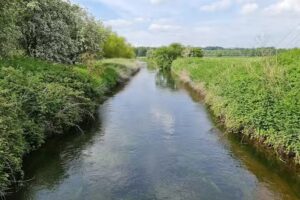
The pond itself is medium sized, with an island in the middle that has been deliberately left overgrown to create safe cover for bird nesting and to limit disturbance from anglers casting tight to the feature. Visitors regularly mention the presence of ducks, wildfowl, water lilies and even occasional sightings of a kingfisher or an otter, which underlines that this is not just another urban pool scraped bare for maximum peg space. For families or anglers who like a quieter, nature-led day, that emphasis on wildlife can be a strong point.
There are drawbacks to the setting. The pond lies close to the M32, and several visitors comment on constant traffic noise intruding on what would otherwise feel like a very calm environment. For anglers used to more rural venues, the hum of the motorway may be a significant negative, particularly during long sessions or overnight stays. The access paths are generally straightforward, but as with many small club waters, underfoot conditions can be muddy in wet weather and some swims show signs of wear and tear from regular heavy use.
Fishing potential and stock
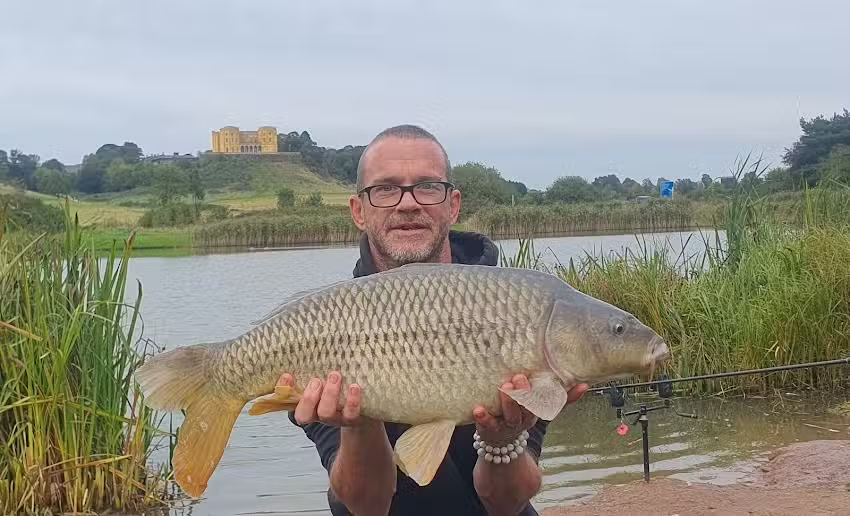
Duchess Pond is known locally as a solid option for carp fishing rather than a specimen-only water, with reports of carp running to the low-thirties in good condition. For many Bristol anglers, especially those starting to target bigger fish, that size range makes the venue a realistic step up from park lakes without the very pressured atmosphere of the most famous commercial waters. The pond also holds plenty of silver fish, so bites are usually available even when the carp are not feeding, which is attractive for less experienced anglers and juniors.
Alongside carp, the venue carries a mix of bream, perch and eels, which gives scope for all-round coarse sessions rather than being a single-species water. Bream to around 8 lb and lively perch are mentioned in independent descriptions, which suggests that float and feeder tactics with maggot, worm or corn can keep the rod bending throughout the day if the larger fish do not show. The presence of eels will not appeal to everyone, but for some anglers they add variety and a genuine test of rig reliability, especially after dark in warmer months.
Because the water is relatively small and well stocked, it is not generally regarded as a highly technical venue where only specialist tactics succeed. Many local anglers describe it as a friendly stepping stone for those wanting to experience proper coarse fishing with a chance of quality fish without travelling far outside Bristol. That said, the better carp are not pushovers; careful baiting, quiet bankside behaviour and well-presented rigs are still needed to pick out the larger residents consistently.
Rules, booking and club management
Duchess Pond is run under club-style rules that may feel stricter than some day-ticket commercials, but these policies are aimed at protecting both fish and wildlife. Anglers are required to book in before fishing and there are no guest tickets available, so turning up on spec without prior arrangement is not advisable. This booking-first approach can be a positive for those who dislike overcrowded banks, as numbers can be controlled more easily, but it may deter casual visitors who prefer spontaneous short sessions.
The club emphasises fish welfare, with expectations around barbless hooks, proper landing nets and responsible handling in line with standard modern coarse angling practice. While the exact peg layout and rod limits are not publicly detailed in depth, the general pattern mirrors other controlled club waters, where designated swims must be used and anglers are asked to respect the bailiffs’ decisions. One review notes an instance where a photographer was challenged by an angler who assumed they were fishing without a licence, which hints at a slightly protective culture around rule enforcement on the bank; depending on viewpoint, this can be read as either a necessary vigilance or an overzealous attitude.
New visitors should be aware that seeing the bailiff for rules is a standard part of the experience, and anglers who prefer completely informal venues may not warm to this structure. However, many regulars value having clear expectations about conduct, booking and tackle, especially when targeting larger carp on relatively small waters where poor practice can quickly harm fish stocks.
Strengths for anglers
The venue’s strongest point is its balance between accessible location and credible fishing potential, particularly for carp lakes near Bristol. Being only a few miles from the city centre, it is practical for after-work sessions or single-day trips without the travel time associated with more remote fisheries. For anglers relying on public transport or with limited time, that easy reach is a clear advantage.
Stock density is another benefit. Reports of regular carp to around 20 lb, with bigger fish present, combined with plentiful silver fish and perch, make it a sensible choice for mixed ability groups where some members want to pursue specimen carp and others simply want plenty of bites. The enclosed, gated nature of the pond provides a sense of security and helps keep dogs on leads, which is important for anglers fishing with multiple rods or with delicate tackle laid out on the bank.
For families and casual visitors, the wildlife is a genuine attraction. Sightings of wildfowl, water lilies in season, and occasional charismatic species such as kingfishers or otters create a setting that feels more like a small nature reserve than a purely commercial fishery. This atmosphere, combined with fairly straightforward fishing, makes Duchess Pond a reasonable option for introducing newcomers to fishing lakes without overwhelming them.
Weak points and limitations
The most consistent criticism relates to noise pollution from the nearby motorway, which reduces the sense of escape many anglers look for when choosing a fishing venue. For some this is a minor annoyance that quickly fades into the background, but others find it undermines the otherwise peaceful surroundings and would choose more rural waters for longer sessions. The urban fringe location also means walkers and other park users are never far away, so those seeking absolute seclusion may be disappointed.
Bank space and peg quality can be variable. As a relatively small water, the number of comfortable swims is naturally limited, and wet periods can leave some areas muddy or less accessible, particularly for anglers with mobility issues. Because bookings are required and there are no guest tickets, prospective visitors need to be comfortable engaging with the club structure, and those used to turning up to large commercial day ticket fisheries without notice may find this restrictive.
Another limitation is information transparency. Compared with highly marketed commercial carp fisheries, publicly available details on exact rules, stocking policy and match bookings at Duchess Pond are relatively sparse, with much depending on direct communication with bailiffs or club representatives. Anglers who like to plan in detail—choosing swims based on maps, checking regular catch reports and reviewing formal rule lists online—may feel they are working with less data than they would expect from some competing venues in the wider Bristol area.
Who is Duchess Pond best for?
Duchess Pond fits best for local anglers who want a nearby water offering realistic chances of good carp and mixed bags without needing to travel far or join a large, multi-water syndicate. It suits those who are comfortable with club-style oversight, including booking systems and contact with bailiffs, and who value fish welfare and wildlife conservation alongside their own sport.
For newer anglers stepping up from casual canal or park coarse fishing, the pond offers a sensible compromise between challenge and accessibility. Tactics such as margin fishing with corn or pellet, simple method feeder rigs, and straightforward bottom baits can all produce results, allowing anglers to focus on watercraft and bite detection rather than overly complicated setups. Families and mixed-ability groups may also appreciate that there is usually something willing to bite, even if the bigger carp stay quiet on a particular day.
On the other hand, travelling specialists who prioritise large, quiet rural carp lakes with extensive facilities might see Duchess Pond as more of a convenient local water than a destination fishery. The motorway noise, relatively small size and limited public information mean it may not stand out against the most highly developed commercial venues in the region. For anglers who place a premium on silence, ultra-detailed catch records and a wide choice of pegs, alternative waters around Bristol may be more appropriate.
Balanced overall impression
Overall, Duchess Pond, Stoke Park Angling Club offers a genuine mix of strengths and compromises that reflect its role as a small, urban-edge club water rather than a heavily promoted commercial complex. On the positive side, it provides accessible carp fishing, decent fish sizes, a healthy head of silvers, and a pleasant, wildlife-rich environment that many visitors appreciate. The booking system, gated enclosure and welfare-focused rules contribute to protecting both fish and birds, which is reassuring for responsible anglers.
Less positively, the constant background noise from the nearby motorway, limited bank space and the need to work within club-style structures may not appeal to everyone. The experience depends heavily on what an individual angler values most: those seeking convenience, wildlife and solid all-round fishing lakes close to Bristol are likely to find Duchess Pond a practical and rewarding choice, while those wanting a remote, silent and fully documented specimen venue may prefer to look to larger commercial carp fisheries outside the city.