
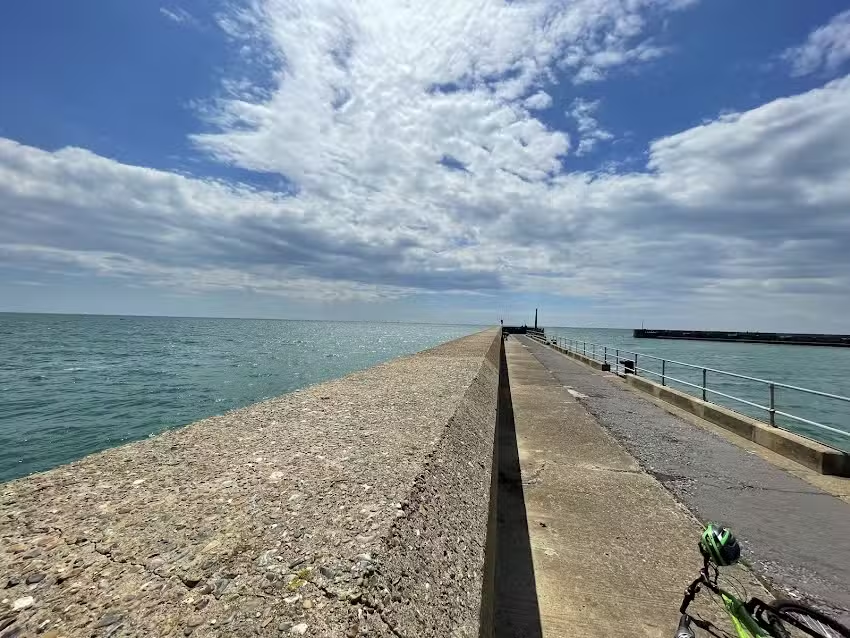
Shoreham Harbour East Arm.
BackShoreham Harbour East Arm is not a tackle shop or charter company, but many local anglers see it as a practical, accessible spot to enjoy time with a rod in hand. It functions as an industrial harbour structure with public access rather than a traditional leisure venue, which shapes both its strengths and its limitations for anyone interested in sea fishing and relaxed waterside time.
Several visitors describe the area as a straightforward place to spend a few hours with simple gear, highlighting that it can suit anglers who enjoy uncomplicated sessions by the water. One recent visitor mentioned spending around four hours fishing in pleasant conditions, which suggests that when the weather cooperates the East Arm can provide a calm, low‑key setting for hobbyists who want to set up a rod, sit back and wait for bites without too much formality or cost. For many, that is part of the appeal compared with more commercialised venues.
The site’s industrial character is immediately noticeable. People consistently point out that this is not a picturesque sandy beach with leisure facilities, but an operational port environment with working infrastructure, breakwaters and the steady movement of vessels. That functional backdrop has pros and cons. On one hand, it gives anglers close contact with shipping lanes and deeper water, where certain species may pass through or hold, adding interest for those who like to fish near harbour walls. On the other hand, anyone expecting a classic seaside atmosphere with soft sand, ice‑cream kiosks and family amusements is likely to feel underwhelmed.
For sea anglers, the East Arm can be a useful option when combined with the right equipment and expectations. Bringing a solid shore rod and reliable reel suited to harbour conditions, along with a selection of rigs and weights, allows visitors to make the most of the structure and depth. While the location does not function as a retailer, it naturally attracts people who already own or plan to buy quality gear such as fishing rods, fishing reels, fishing line and a compact tackle box to manage terminal tackle safely while moving along the concrete surfaces.
Reviews often emphasise how enjoyable it can be to watch boats coming and going while fishing. This constant movement creates a dynamic setting where anglers can observe changing tides, vessel traffic and shifting water patterns around the harbour mouth. For some, that combination of light angling and ship‑watching turns a simple session into a more engaging experience, especially when the weather is bright and visibility is good. It is particularly appreciated by those who like to sit with friends, take photographs and enjoy the maritime setting as much as any potential catch.
Dog walkers and casual visitors also use the area, which influences the overall atmosphere. Anglers who value a quiet, focused session may find that sharing the space with walkers, photographers and families requires a bit of patience and awareness when casting, baiting up or setting down rods. At the same time, this mix of users shows that the East Arm is seen as a general recreation area rather than a specialist angling platform, which may appeal to people wanting a friendly, informal backdrop instead of a dedicated fishing pier with strict rules.
One notable limitation mentioned by visitors is the impact of weather. The East Arm can be closed in poor conditions, particularly when strong winds or heavy seas make it unsafe. This means that access is not guaranteed, even for those who have travelled with gear ready for a long session. For anglers planning a trip focused on this specific harbour wall, that unpredictability can be frustrating, especially if alternative marks are not arranged in advance. The closure policy favours safety, but it does require some flexibility and backup plans.
The industrial nature of the port also affects aesthetics and comfort. While some people enjoy the raw, working‑harbour look, others consider it plain or even unattractive compared with more natural stretches of coastline. Facilities are minimal: there is no suggestion of on‑site bait shops, cafés, shelters or dedicated seating, so visitors generally need to arrive self‑sufficient. Bringing basic comforts such as a folding chair, warm clothing, drinks and snacks is advisable, particularly for longer sessions or evening visits.
From the perspective of an angler building up their own kit, Shoreham Harbour East Arm encourages a self‑reliant approach. Those who come prepared with their own sea fishing tackle, including sturdy surf casting rods, corrosion‑resistant spinning reels, suitable saltwater lures and a small selection of pre‑tied rigs, are better placed to make productive use of the time on the wall. Many sea anglers also favour using a dedicated fishing bag or rucksack to carry spare spools, terminal tackle, tools and waterproofs, making it easier to move along the structure as conditions change.
In terms of target species and tactics, the harbour environment suggests mixed potential depending on season and tide. While individual reports do not list specific catches in detail, the combination of deeper channels, harbour walls and tidal flow typically calls for rigs that can cope with current and structure, such as simple bottom rigs with sufficient lead to hold bottom. Visitors looking to maximise opportunities may combine natural baits with hardware from their own collections, such as sea fishing rigs, metal lures and robust hooks designed for saltwater conditions.
Safety is a recurring underlying theme, even if not always stated directly. Concrete surfaces can be slippery in wet or stormy weather, and the presence of dog walkers and casual visitors means anglers must keep an eye on both their casting angles and where they place sharp items or rods. Wearing appropriate footwear and using rod rests, bank sticks or tripods can help maintain order on the pier and reduce trip hazards. The closure of the area during poor conditions reinforces the importance of treating it as a working structure rather than a leisure park.
For those thinking about introducing newcomers to angling, the East Arm presents mixed suitability. Its easy, level access and absence of complex booking systems can make it a simple place to bring a beginner for a first taste of sea fishing on a calm day, especially if they are using straightforward setups and light tackle. However, the industrial surroundings, lack of obvious facilities and possibility of weather‑related closure might make some families prefer more conventional beaches or managed piers for their earliest outings with children.
Local anglers who frequent places like Shoreham Harbour East Arm often complement their time on the wall with visits to specialist retailers or online suppliers. Having access to reliable fishing tackle, including spare fishing hooks, various strengths of monofilament line and braided line, plus an assortment of sea fishing lures, helps them adapt to changing conditions and experiment with different approaches. For many, the harbour becomes one stop in a broader fishing routine that also includes beaches, rock marks and estuary spots.
Parking and general accessibility around the area appear practical rather than polished. Visitors typically treat the East Arm as a place to park nearby, walk out to the structures, and settle in without expecting landscaped paths or formal promenades. Anyone carrying heavier gear such as tripods, multiple rods or larger tackle bags should plan for a modest walk and consider how much equipment is genuinely necessary for their session, balancing comfort with portability.
Photographs shared by visitors reinforce the impression of a straightforward, utilitarian port landscape with wide skies and open water. On bright days, the setting can feel spacious and airy, providing plenty of room for casting and setting up. At the same time, because it is a working harbour area, views may include cranes, industrial buildings and moored vessels rather than uninterrupted natural scenery. This mix will appeal to some and disappoint others, depending on personal taste.
Overall, Shoreham Harbour East Arm comes across as a simple, functional place that offers reasonable opportunities for casual fishing and boat watching, rather than a polished leisure attraction. The positive comments focus on enjoyable hours spent with a rod, friendly mixed use by anglers and walkers, and the interest of seeing working ships move in and out. The negative aspects centre on its industrial appearance, limited amenities and occasional closure in bad weather, which can disrupt plans for a dedicated angling outing.
For potential visitors, the key is to approach the East Arm with realistic expectations and appropriate equipment. Those who appreciate straightforward sea fishing in an industrial harbour setting, and who are comfortable being self‑sufficient with their own sea fishing gear, terminal tackle and weather‑appropriate clothing, are likely to find it a worthwhile spot for relaxed sessions when conditions allow. Anglers seeking a scenic, fully serviced family venue with guaranteed access and extensive facilities may prefer to look elsewhere, treating Shoreham Harbour East Arm instead as one of several possible marks within a broader personal angling map.