Low Osgoodby Lake Fly Fishing
BackLow Osgoodby Lake Fly Fishing operates as a dedicated stillwater trout fishery set within the grounds of Low Osgoodby Grange, offering a focused venue for anglers who value manageable water, consistent stocking and a relaxed, low‑key environment rather than a commercialised attraction. The lake is designed primarily for traditional fly tactics on a freshwater pool stocked with brown, blue and rainbow trout, providing an accessible option for anyone searching for a friendly, small‑scale fishery where they can refine casting, work on presentation and enjoy steady sport when they get the flies and depth right.
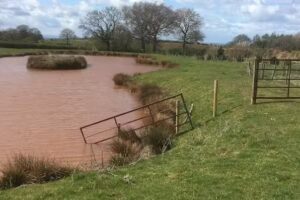
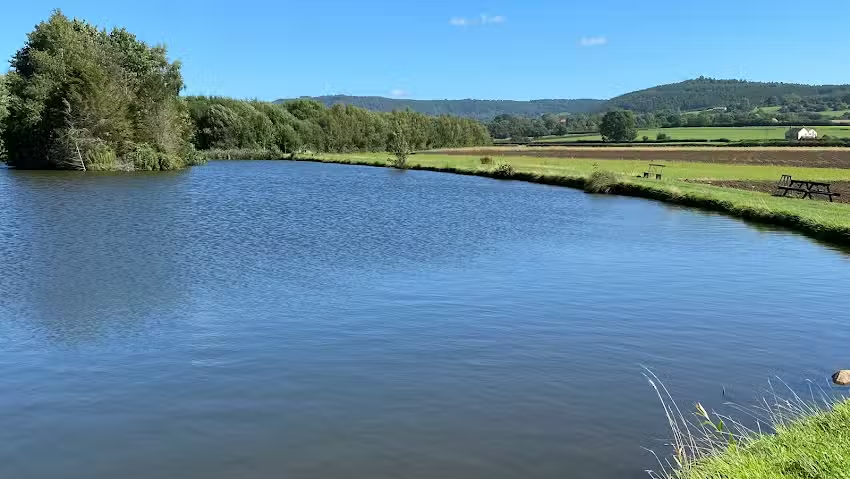
The fishery centres on a single scenic lake surrounded by farmland, tree‑lined banks and open fields, which helps create sheltered areas and gentle margins that suit both bank anglers and those who like to stalk moving fish at close quarters. Unlike some larger complexes with multiple waters and busy clubhouses, this is a quieter, more intimate setting where visiting anglers often comment on the sense of space and the feeling that they have time to work each area of bank properly without pressure. That atmosphere is one of its strengths, especially for those who prefer to concentrate on reading the water and adjusting tactics rather than dealing with crowds.
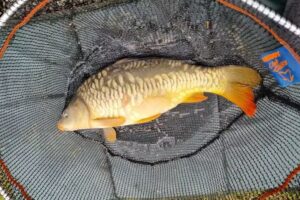
Stocking policy is a key part of the experience here, with the lake described as well stocked with brown and blue trout typically between around 1lb and 5lb, supplemented by hard‑fighting rainbows that feature prominently in anglers’ accounts. Several visitors mention multiple fish days, including sessions with a mix of rainbows and good‑sized browns brought to the net, which suggests a reasonable head of fish when conditions are favourable and the right patterns are used. At the same time, more than one angler notes that the fish can be selective, especially when feeding on natural food in the margins or when only a handful of trout are moving, so success is not simply a case of casting anywhere and instantly connecting. For many regulars that slightly challenging character is part of the appeal, as it rewards experimentation and presentation.
One of the most frequently praised aspects is the quality of the trout themselves, which are often described as full‑finned, strong fighters in excellent condition. Anglers comment on lively runs, fish that scrap hard to the net and well‑proportioned browns and rainbows that clearly benefit from both careful stocking and a rich natural larder in the lake. Reports mention shoals of sticklebacks, abundant tadpoles and visible hatches of aquatic insects, alongside terrestrials blowing in from the surrounding fields, which collectively provide a varied food source and help the trout maintain good body shape and stamina. For those who prioritise fish quality and aesthetics over sheer numbers, this is an important positive.
The lake layout also lends itself to a mix of methods within the scope of fly fishing tackle, from traditional nymphing close to the surface to deeper work with sinking lines when the fish drop down. Accounts from visiting anglers describe success on hares‑ear and pheasant‑tail style nymphs, buzzer patterns fished fairly static and, on some days, more provocative choices such as Cats Whiskers or buoyant patterns on sinking lines. There is some curiosity among visitors about the exact depth profile of the lake, with hints that margins are relatively shallow and deeper water lies further out towards the centre, which encourages anglers to think about line choice and retrieve speed rather than sticking to a single approach.
The venue caters to a range of skill levels, but it is particularly well suited to those who are still building confidence in their casting or learning to interpret takes, thanks to a water size that feels manageable instead of overwhelming. Parents have highlighted how the lake allows children or new anglers to practise casting while still covering areas that hold fish, rather than battling with long distances or difficult wading. Importantly, the owners also offer structured tuition through qualified coaches, with options for experiences, half‑day and full‑day packages designed for beginners through to more experienced anglers who want to refine technique or try new methods. That educational aspect is a notable advantage for anyone looking for a venue that combines access with instruction.
Corporate and group usage is another strand to the fishery, with the team able to arrange fly fishing lessons and masterclasses as part of team‑building days or small events. This makes Low Osgoodby Lake an option not only for individual anglers but also for businesses or groups wanting an outdoor activity where participants can be coached through the basics in a supportive setting. The scale of the fishery and its quieter feel mean such events can be run without overshadowing regular day‑ticket visitors, though at busy times the water may feel more occupied, so prospective visitors who prefer solitude might want to be aware of potential organised groups.
From a practical perspective, anglers appreciate straightforward access and a clear day‑ticket structure, with options for catch‑and‑keep and catch‑and‑release on four‑hour, eight‑hour and full‑day tickets, typically priced at a level many visitors describe as reasonable for a stocked trout water. While the exact figures can vary over time, the general sentiment is that the balance between cost and quality of sport is fair, especially when multiple fish are landed during a session. Easy parking and the ability to fish for a half day or full day without complicated membership schemes make the venue accessible to occasional visitors as well as more regular anglers.
Service and hospitality feature heavily in feedback, with many anglers mentioning friendly, welcoming owners and staff who are prepared to offer advice on current successful flies, depths and productive areas of the lake. Several visitors describe being given pattern recommendations or even individual flies that produced takes when other approaches had been ignored, which suggests an engaged management interested in customers enjoying their day and catching fish. That friendly input can be particularly valuable for newcomers to stillwater trout venues, who might otherwise struggle to know where to start with fly choice and retrieve.
However, the fishery is not without limitations, and potential visitors benefit from understanding both strengths and weaknesses before deciding whether it suits their expectations. Some anglers note that at times the trout can be reluctant to feed actively, with only a few fish showing on the surface and very little movement in the margins, which can lead to relatively quiet spells even when conditions appear reasonable. On such days it may take persistence, careful observation and frequent changes of pattern or depth to connect with fish, so those expecting constant action regardless of conditions might come away feeling the water is more demanding than some heavily stocked venues.
A further consideration is that the lake’s intimate size, while positive for those who like a focused venue, inevitably means there is less scope for roaming long distances to find fish compared with large reservoirs or multi‑lake complexes. When several anglers are present, hot spots such as wind‑blown banks or areas near features can be quickly occupied, making it important to adjust expectations about space and movement when the water is busy. Reviews nevertheless indicate that even on more popular days there is usually enough bank to work different angles, but those who prefer expansive, open waters might see the limited footprint as a downside.
Another point to bear in mind is that facilities are relatively simple compared with more commercialised trout fisheries that include extensive clubhouses, tackle shops or cafés on site. Low Osgoodby Lake focuses on providing a fishable lake rather than a broad leisure complex, so anglers should plan ahead regarding food, refreshments and any specialist tackle they might need during a session. For many regulars the absence of a busy café or shop is a positive, as it maintains the quiet character of the venue; for others, especially those travelling with non‑angling companions, the lack of wider amenities could be a drawback.
The fishery’s focus on traditional fly fishing gear further defines the experience, as this is not a coarse or bait venue and is not aimed at spinning or lure fishing with hardware. For dedicated fly anglers this clear identity is a strong positive, ensuring that the water is managed with fly tactics in mind and that stocking and rules are aligned with that style of fishing. Conversely, those who prefer multi‑method waters or who are not yet comfortable using fly tackle will need to either take advantage of the tuition available or consider a different type of fishery more suited to mixed methods.
Accessibility is another practical point: the entrance and surroundings are generally considered straightforward for most visitors, and the fishery notes that it has a wheelchair‑accessible entrance, which is beneficial for anglers with mobility needs. As with many rural stillwaters, bank access can vary around the lake, with some areas more comfortable to stand and cast from than others, so anglers may need to choose their positions carefully based on footing and casting room. Those who require particularly even ground might find a limited number of ideal spots, but overall the feedback suggests the venue makes a genuine effort to accommodate a broad range of anglers.
In terms of who is likely to appreciate Low Osgoodby Lake Fly Fishing most, the fishery stands out as a good match for anglers who enjoy intimate waters, value the chance to stalk trout in clear conditions and welcome a degree of challenge rather than guaranteed instant success. The combination of well‑conditioned fish, supportive owners, tuition options and a simple ticket system makes it suitable for newcomers, occasional anglers and more experienced fly fishers who want a straightforward day ticket venue with character. Those who prioritise large reservoirs, extensive facilities or constant high stocking levels might find it less aligned with their preferences, but others will see its scale and atmosphere as exactly what they are looking for in a dedicated fly fishing lake.
Overall, Low Osgoodby Lake Fly Fishing offers a realistic mix of positives and trade‑offs: a carefully managed trout water with good fish quality, a friendly team and instruction available, set against a modest footprint, relatively simple facilities and sessions that can sometimes require persistence when fish are feeding selectively. For potential visitors deciding where to spend their time and money, it presents a credible option among North Yorkshire stillwaters, particularly for those who are happy to fine‑tune their tactics, make use of local advice and enjoy the satisfaction that comes when careful approach results in a solid bend in the rod.