Norfolk & Suffolk Fly Fishers’ Society
BackNorfolk & Suffolk Fly Fishers' Society is a long-established not-for-profit trout fishery run by its own members, offering a friendly and relaxed environment for anyone interested in fly fishing for stillwater trout. The fishery focuses on providing accessible sport for beginners and experienced anglers alike, combining well-managed waters with a strong community spirit and regular training events designed to bring new people into the sport of trout fishing.
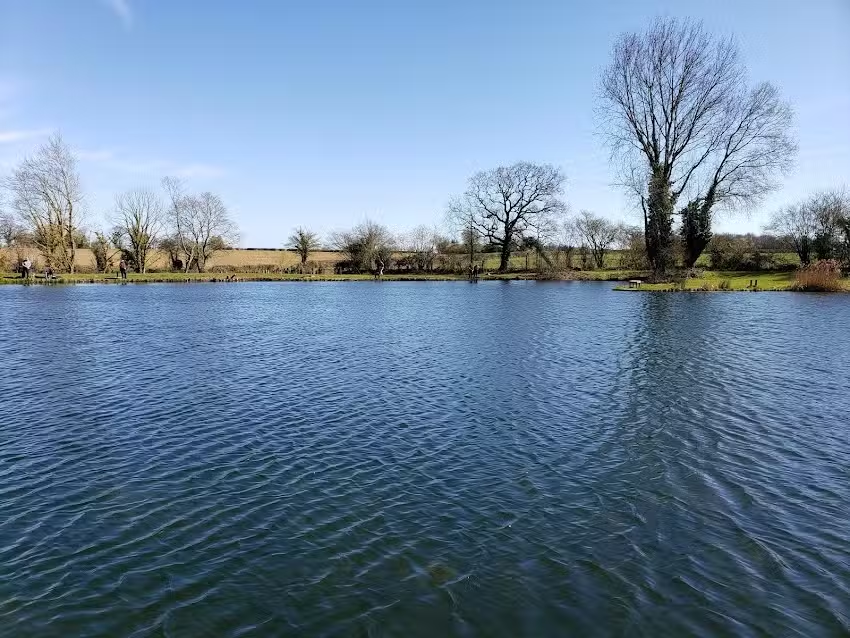
The society’s waters consist of two spring-fed lakes covering around six acres, set in mature surroundings with trees, islands and a clearly defined dam wall between the upper and lower basins. These lakes are primarily stocked with rainbow trout, with occasional browns and blues, and are known for producing hard-fighting fish that regularly test both tackle and technique. Anglers familiar with commercial venues will notice that this is not a heavily pressured put-and-take pool; while the lakes are regularly stocked, catch rates can still be challenging on some days, which appeals to many who prefer more natural-feeling fly fishing lakes rather than easy-bag waters.
One of the key strengths of this society is the emphasis on education and support for newcomers through its well-known “Try The Fly” introductory days. These structured events typically include qualified tuition from experienced instructors, use of tackle and flies, a one-day licence, and a relaxed social atmosphere with food provided, together with the chance to catch and take home a couple of trout. Numbers are deliberately kept low to ensure close coaching, often one-to-one or one-to-two, which has helped many first-time anglers gain confidence in casting, fish handling and basic watercraft. Several visitors specifically mention that these days were their first step into fly fishing for trout, and that they went on to become regulars at the fishery.
Customer feedback paints a consistently positive picture of the coaching and the welcome offered by members and volunteers. New anglers frequently remark on the patience and clarity of the casting tuition, explaining that instructors take time to work at the learner’s pace rather than rushing the session. The small group format and the mix of coaching, practical fishing time and breaks for conversation make the experience feel more like a hosted day than a simple ticket to a trout fishery. For families, this approachable style has particular value; there are reports of younger anglers thoroughly enjoying their first outings and asking to return, which suggests that the venue can work well for parents or grandparents looking to introduce children to fly fishing in a safe, supportive setting.
The waters themselves are described as scenic but also varied enough to provide interest throughout the year. The lakes are predominantly of medium depth, with deeper areas at the dam end of the lower lake that can fish differently in colder or brighter conditions. Regular patterns that perform well include pheasant tail nymphs, sedge imitations and other small naturals fished on floating lines, alongside a range of lures for days when fish are more aggressive, with plenty of scope for the dry-fly enthusiast when conditions suit. This variety allows anglers to practise a broad range of techniques, from imitative nymphing through to surface work, which is beneficial for anyone looking to develop their skills beyond basic stillwater trout fishing.
Stocking policy is another aspect that anglers often note. The lakes are restocked regularly, typically every few weeks in cooler periods, with minimum fish sizes comfortably over a pound and a proportion of larger specimens up to double figures. Historical records mention rainbows exceeding the double-figure mark and sizeable browns, contributing to the sense that there is always the possibility of a memorable fish alongside the more typical stockies. This is matched by comments about the fighting qualities of the trout; many visitors describe them as energetic, strong and capable of tail-walking runs that stand out compared with some other trout fisheries in the region.
However, the fishery’s strict catch-and-kill policy is an important point for potential visitors to understand. Unlike some venues that offer a mix of catch-and-release and take-home tickets, these lakes operate on a no catch-and-release basis, meaning every trout landed must be retained within the angler’s ticket allowance. For those who enjoy keeping fish for the table, this can be a positive, as it keeps stock turning over and avoids issues with repeatedly caught fish becoming overly wary or damaged. On the other hand, dedicated catch-and-release anglers, or those who prefer to handle fewer fish, may find this policy less appealing and will need to factor it into their decision when choosing a trout fishing lake.
The society structure brings several advantages that set this venue apart from purely commercial operations. Being run by members on a voluntary and not-for-profit basis means that income is channelled back into lake maintenance, stocking and facilities rather than distributed as profit. Anglers on-site mention regular volunteer work parties focused on bank work, grounds upkeep and fishery improvements, which helps maintain access and keeps the banks in good condition. This also fosters a community atmosphere, where frequent visitors tend to recognise one another and share advice on what patterns or pegs are currently producing fish, often leaving notes or tips on boards in the huts for those arriving later.
In terms of practical facilities, the site is reasonably well equipped for a small trout fishery. There are multiple toilets, including portaloo provision, and an all-weather hut or lodge where anglers can shelter, make hot drinks and plan their session. Free tea and coffee are commonly mentioned as a welcome touch, particularly on cold or wet days. The presence of a comfortable cabin at the top lake gives somewhere to pause between sessions, talk tactics and check any recent catch reports. Parking is available close to the water, reducing the need to carry gear long distances and making sessions more manageable for older visitors or those with heavier tackle.
Access arrangements are relatively flexible compared with many club-controlled waters. The lakes welcome both members and day-ticket anglers, with permits available on-site and the option to arrange them online. Membership is open rather than restricted, with different levels such as full or half-rod permits to suit varying budgets and fishing frequency, rather than operating a closed waiting list. For casual visitors or those travelling from further afield, the ability to simply turn up during permitted hours, purchase a day permit and head straight onto the water will appeal, especially when combined with the nearby main road access.
On the water, fish behaviour and conditions can vary considerably, which contributes to both the strengths and limitations of the venue. Some anglers recount sessions where bites were sparse for several hours, only for a brief feeding window to produce multiple fish in a short burst from a specific area of the bank. Wind direction, water clarity and temperature all play a role; moving to banks where wind pushes food into the shore, or targeting deeper sections near the dam, can make a noticeable difference. This dynamic nature means that those who are prepared to adjust tactics, change flies and vary depth will often fare better, while very casual anglers expecting instant success without adaptation may occasionally leave with fewer fish than hoped.
The society also invests effort in social and charitable activities that broaden its appeal beyond simple day-ticket trout fishing. Reports mention barbecues and social events, as well as support for initiatives such as Fishing 4 Schools and Casting for Recovery, which help introduce young people and those recovering from serious illness to the therapeutic aspects of fly fishing. This sort of outreach indicates a club culture that values inclusivity and the wellbeing aspect of time spent by the water, rather than focusing solely on bag numbers. For many potential visitors, knowing that a fly fishing club actively contributes to the wider community can be a deciding factor when choosing where to spend their time and money.
For complete beginners, the combination of structured introductory days and an ongoing calendar of informal tuition and training events is a major attraction. Regulars describe the membership as friendly and approachable, with experienced anglers often willing to share tips on fly choice, retrieve speed or leader set-up. This contrasts with some more insular clubs where newcomers can feel unwelcome or left to work things out alone. Here, the balance of formal courses and informal bank-side advice gives learners the chance to progress rapidly from basic casting through to more subtle aspects of presentation, making it a strong candidate for anyone looking for their first dedicated fly fishing venue.
There are, nevertheless, some considerations that may not suit every angler. The no catch-and-release rule, as already mentioned, will deter those who prefer to fish purely for sport without taking fish home. On busy days, particularly when events are running or during popular times in the season, the limited size of the lakes may mean that the most favoured pegs fill early, leaving late arrivals with fewer options in terms of wind direction or casting space. The tree-lined banks that add to the charm of the water can also make casting tricky in certain spots for those still building confidence, potentially increasing the rate of lost flies or tangles. These aspects do not necessarily reflect badly on the fishery, but they are practical realities that potential visitors should weigh up.
For experienced anglers, the main appeal lies in the combination of well-conditioned fish, varied water and a relaxed but organised environment. Regular stocking with quality rainbows and occasional larger specimens provides the chance of rewarding sport on both imitative and lure-based approaches, while the absence of heavily pressured, repeatedly caught fish can make for more natural takes. At the same time, because the venue is not vast, it is possible to cover both lakes in a single day, trying different banks and depths without feeling overwhelmed by scale. This makes the fishery a practical option for those with limited time who still want a meaningful trout fishing session rather than a quick cast on a heavily stocked pond.
For prospective visitors weighing the positives and negatives, Norfolk & Suffolk Fly Fishers' Society offers a member-run, not-for-profit trout fishery with a strong educational focus, attractive and varied lakes, and a reputation for hard-fighting stocked trout. The supportive atmosphere, structured “Try The Fly” programme and flexible access for members and day-ticket anglers all work in its favour, particularly for those new to fly fishing or returning after a break. On the other hand, the compulsory catch-and-kill approach, occasional challenges with wind, fish behaviour and casting room, and the finite space on the banks are factors that will suit some anglers more than others. Taken as a whole, the fishery stands out as a solid choice for anyone seeking a well-run fly fishing lake with genuine character, community involvement and a realistic balance between accessibility and sporting challenge.