King George V Pool
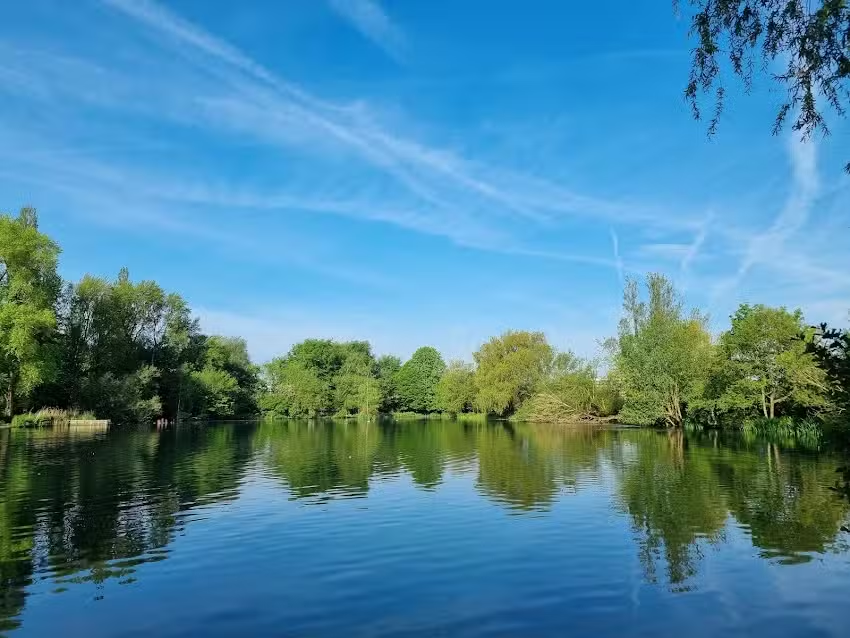
BackKing George V Pool is a compact fishing and wildlife venue that combines a small artificial lake with surrounding trees, shrubs and walking paths, offering anglers and casual visitors a quiet place to spend a few hours by the water.
Originally constructed in the early twentieth century as a commemorative pool, it has gradually developed into a well-used local fishery and a recognised wildfowl habitat, attracting both dedicated anglers and families who simply want somewhere calm to sit and watch the birds.
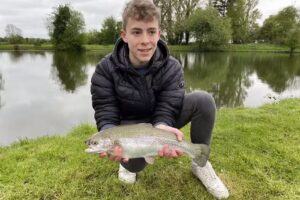
For anyone interested in coarse angling, the pool is considered a very good fishery, with a mix of species that appeal to pleasure anglers and those looking to develop their skills. The water holds carp, roach, bream and perch, giving scope for different tactics and tackle, from light float fishing close in to more targeted sessions aimed at larger specimens. Online videos filmed on the banks show children learning to handle a rod for the first time, which underlines its role as a friendly starting point for new anglers who want somewhere manageable rather than an intimidating large reservoir.
Part of the appeal for visiting anglers is that the pool retains a natural feel despite being surrounded by residential streets. A path runs all the way around the water, edged by a mix of ornamental and native trees and shrubs, so you can walk the banks to assess swims, choose a peg with suitable depth or cover, and adjust your position during the day if conditions change. The setting also means that birdlife is ever-present; swans, moorhens, gulls and a variety of smaller species are frequently recorded here, creating a backdrop of movement and sound that makes time on the bank feel less monotonous, especially on slower fishing days.
Reviews from regular visitors tend to emphasise the tranquillity of the site and its suitability for gentle walks or short runs, which is important for anglers who like to stretch their legs between casts or bring non-fishing companions. People mention a quiet atmosphere, tree-lined paths and the chance to watch birds on the water, describing it as a hidden spot rather than a busy park packed with facilities. For those with limited mobility or joint problems, comments suggest that a circuit of the pool is manageable without being overly demanding, so accompanying family members are unlikely to feel left out while others fish.
From a technical angling point of view, the pool’s modest length of around 150 metres and an area of roughly 2.5 acres make it easy to read compared with sprawling lakes. Because it is fed by, and discharges into, a local brook, there is some water movement, which can influence where fish hold and how they respond to groundbait and loose feed. Anglers used to still, closed venues may appreciate this gentle flow, as it can help oxygenate the water and keep fish active during warmer periods, though it also means that feeding patterns may change with rainfall and seasonal conditions.
Those planning a visit should be aware that there is an established structure around angling here, which brings clear advantages but also some limitations. Charges are levied for fishing, and night sessions are only allowed by permit, reflecting an attempt to balance access with control and to prevent the water from being abused or over-pressured. For many anglers, a modest day-ticket fee is acceptable if it helps maintain fish stocks and the surrounding environment, but those who prefer entirely free waters might see this as a drawback, especially if they only intend a short, opportunistic session after work.
The presence of an active Friends group is often highlighted in information about the pool and can be regarded as one of its strengths. This volunteer organisation works with the local council and conservation bodies to shape decisions about fishery management, habitat, and visitor access, which helps ensure that anglers’ interests are represented alongside those of walkers and wildlife enthusiasts. Their involvement tends to support practical outcomes such as litter control, protection of birdlife and responsible management of bank space, though it can also mean that changes – for example to pegging, vegetation cutting or rules on bait – are introduced periodically, requiring regular visitors to stay up to date.
For coarse anglers, the fish stock profile is attractive for varied sessions. Carp offer the chance of stronger fights and more tactical fishing with hair rigs and heavier lines, while roach and bream provide steady sport on float or feeder setups when conditions are right. Perch, often found close to structure or overhanging trees, give another target species for those who enjoy using small spinners or worms, particularly in cooler months when silver fish sport slows down. This diversity makes King George V Pool suitable for mixed ability groups, where experienced anglers can focus on larger or more selective fish while newcomers are content catching smaller species more frequently.
Family suitability is another positive aspect frequently illustrated in angling content related to this venue. Recordings show young children being introduced to basic float techniques in a relaxed setting with plenty of bankside space and abundant wildfowl to hold their interest between bites. Because the pool is not vast, supervising adults can keep an eye on youngsters easily, and the relatively modest casting distances needed for successful fishing reduce the risk of tangles and accidents that are common on bigger, more exposed waters.
On the less positive side, anglers looking for extensive facilities may judge King George V Pool to be fairly limited. There is no suggestion of an on-site tackle shop, café or formal clubhouse, so visitors must arrive prepared with their own bait, equipment and refreshments. Those who value the social aspect of large commercial fisheries, with dedicated match calendars and multiple lakes, could find this venue quiet to the point of feeling basic, even if that simplicity is precisely what attracts others.
Another potential downside is that the pool is not heavily signposted, which is noted in woodland and visitor information. For newcomers, this can make the first visit less straightforward, particularly when navigating residential streets and trying to identify suitable access points or parking. While some anglers appreciate the sense that they have found an unobtrusive local spot, others may feel that clearer directions and entry points would underline that visitors are welcome rather than leaving them uncertain about where to go.
Because the site functions both as a fishery and as a bird habitat, there is an inherent tension between angling activity and the needs of wildlife. Wildfowl are present in notable numbers, which enriches the experience for many visitors, but it also means that anglers must take extra care with discarded line, hooks and groundbait to avoid harming birds. Some people may also find that high levels of bird activity around their chosen swim can be distracting or interfere with presentation, particularly when feeding near the surface attracts ducks and swans into the fishing area.
For those comparing King George V Pool with more intensively stocked commercial venues, catch expectations should be set realistically. Although the site is described as a very good fishery and is regularly used by anglers, it is not marketed as a location where every cast produces a fish, and sessions may still require patience and careful observation. The surrounding trees, reedbeds and overhanging cover offer classic holding areas, but they can also make casting more challenging for beginners, especially in breezy conditions or when swims are tight.
In terms of general atmosphere, visitor feedback points consistently towards a peaceful experience, with words like quiet, tranquil and relaxing appearing across multiple reviews. People on casual walks mention enjoying the combination of trees, open water and birdlife, and anglers are likely to appreciate being able to fish in a setting that feels relatively natural rather than heavily manicured. At the same time, some may view this calmness as a lack of buzz, particularly those used to busy commercial fisheries with constant coming and going, bankside banter and regular organised matches.
The role of the pool as part of a wider green corridor, including nearby wooded areas managed in partnership with conservation organisations, reinforces its character as more than just a place to cast a line. Birdwatchers have recorded varied species in and around the site, and the water continues to support both angling and wildfowl interest more than a century after it was first created. For visiting anglers, this means sharing the space with walkers, runners and nature enthusiasts, which adds variety to the setting but also calls for a considerate approach to bank space and tackle layout.
For potential visitors, the overall picture that emerges is of a modestly sized but appealing coarse fishery set within a small, tree-lined site, with a decent mix of species and a calm, local feel. The lack of commercial-style infrastructure will not suit everyone, and there are practical considerations around permits, signage and shared use that may influence whether it is the right choice for a particular day’s fishing. However, for anglers who value a peaceful environment, mixed-species sport and the chance to spend time by the water in the company of swans and other wild birds, King George V Pool offers a distinctive option that differs from many heavily developed venues.