
Edwards Angling
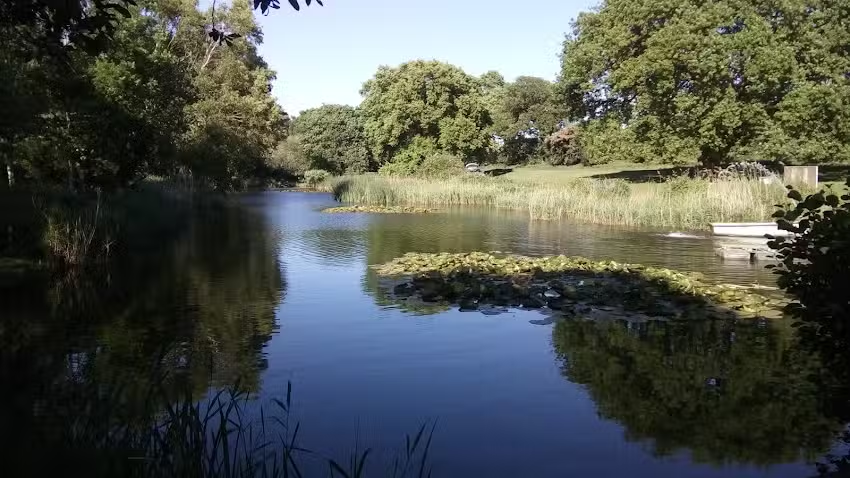
BackEdwards Angling is a small coarse fishery set within farmland at Fairview Farm and is best known among local anglers for its two spring-fed ponds stocked with a varied mix of species, including roach, rudd, perch, tench, chub, bream, golden orfe and multiple strains of carp. These waters appeal to anyone interested in relaxed coarse fishing rather than high-pressure commercial sport, and they offer simple bank fishing with the option to park close to many pegs, which is particularly convenient for anglers bringing substantial fishing tackle or those with limited mobility. The setting is quiet and tucked away, giving visiting anglers a sense of seclusion that contrasts with busier day-ticket venues.
The core attraction of Edwards Angling lies in its traditional approach to fishing lakes, which are described as mature, spring-fed pits that provide a natural environment rather than a heavily engineered complex. Reports indicate that both ponds contain a healthy stock of typical British coarse species, so visitors can reasonably expect mixed bags of silvers alongside carp rather than exclusively specimen hunting. This mix makes the fishery suitable for pleasure sessions and informal club outings, especially for anglers who enjoy float and feeder tactics on intimate waters. Some visitors note that the venue can offer good sport in a relatively short session, with multiple fish landed in just a couple of hours when conditions are favourable.
For families, Edwards Angling has features that many potential visitors will find appealing. Children under a certain age can fish for free when accompanied by a paying adult (with a limit on the number of rods), which can make it a cost-effective choice for introducing young anglers to coarse fishing lakes without a large initial outlay. Several accounts highlight that the owner or bailiff has, at times, been especially welcoming towards children, encouraging their interest in angling and creating a more relaxed atmosphere for family trips. Dogs are accepted on site provided they are kept under control and owners clean up after them, an important consideration for those who want to combine a day’s fishing with time outdoors for the whole household.
The fishery follows a set of straightforward rules designed to protect fish welfare and keep the water fishing consistently. Only traditional baits such as maggots, sweetcorn, bread, worms, luncheon meat, hemp and pellets are allowed, with meat and hemp requested in moderation and pellets mainly for hookbaits or method feeders. This focus on conventional coarse baits gives the venue a more old-fashioned feel compared with some modern commercial carp fisheries, and it may appeal to anglers who prefer simple rigs and tactics over highly flavoured boilies and complex baiting campaigns. Barbless hooks are required, keepnets are not permitted, and there are restrictions on boilies, nuts, artificial baits and meat-based groundbait, so visitors should be prepared to adapt their usual approach to comply with these house rules.
Accessibility is a mixed picture. On the positive side, anglers are generally allowed to park near their chosen peg, which reduces the need to carry heavy fishing rods, seat boxes and other equipment long distances around the ponds. There are designated disabled parking areas and some bivvy spots that are considered suitable for visitors with reduced mobility. However, while there is a toilet on site, it is not currently wheelchair accessible, so anyone with specific accessibility requirements may need to plan accordingly and consider this limitation before travelling.
From a practical angling perspective, the waters lend themselves to traditional float and feeder tactics rather than extreme long-range approaches. Some visitors have commented that the ponds are well suited to light tackle, with float and method feeder rods providing consistent action throughout a session. Anglers targeting carp can use pellets and luncheon meat within the stated rules, while those interested in silvers can make good use of maggots and ground breadcrumb, which is the only form of groundbait permitted. With a mix of species present, it is possible to tailor each session to either steady bites from smaller fish or the chance of hooking better-sized carp and tench.
There are, however, differing views on how well the venue is maintained. Older impressions describe well-kept ponds and banks, suggesting that at times the fishery has been looked after carefully with accessible swims and tidy surroundings. In contrast, more recent criticisms mention overgrown banks, snags and an overall neglected appearance, to the point where some anglers chose not to stay because they expected to spend more time freeing rigs than actually fishing. This divergence suggests that maintenance standards may vary over time, and that potential visitors would do well to check recent feedback or local angling groups if bank condition and ease of access to the water are important to their day.
Signage and general presentation at the entrance are also noted as weaker points. Some visitors report that the sign at the gateway is faded and difficult to see, and that the track leading to the lakes can be confusing without clear markers. In practice this has meant stopping to ask workers along the access road where the ponds are, which can disrupt what should be a straightforward arrival. For first-time visitors or those coming from further afield, this lack of clear signage may create a less positive first impression than the actual fishing experience might justify.
Another area where opinions differ is the interaction with the bailiff or owner. Several anglers describe a friendly, helpful presence on site, with advice freely offered and a genuine interest in seeing guests enjoy their day. This includes helpful guidance for newcomers and children, which can be particularly valuable for families still learning about fishing gear, rigs and bait choice. On the other hand, there are negative experiences where anglers have felt that the bailiff’s approach was too casual or even unprofessional, such as sitting in the car and expecting visitors to walk over to pay, which some considered unwelcoming.
Concerns have also been raised about clarity and consistency of pricing. At least one reported visit involved a child being charged more than the rate publicly stated elsewhere, leaving the impression that the venue was prepared to take advantage of youngsters who had gone to pay on behalf of adults. Even if such instances are isolated or due to misunderstanding, they can significantly affect how anglers perceive trust and fairness on site. For potential visitors, it is sensible to confirm current prices directly with the fishery and to ensure that payment and any concessions are clearly understood at the outset of the session.
Despite these criticisms, many anglers still see Edwards Angling as a decent option for relaxed, low-key day ticket fishing rather than a high-end commercial complex. The tranquil surroundings, natural feel and absence of intense match pressure can make it attractive to those who value peace and simple fishing over the latest facilities. The presence of multiple species also means that sessions can be interesting and varied, and there is the possibility of decent sized carp and tench alongside consistent sport from smaller fish. For some, this balance of species and atmosphere is precisely what they look for in a local coarse venue.
When assessing whether Edwards Angling is the right choice, prospective visitors should weigh the advantages—mixed species, natural setting, convenient parking, family-friendly policies and traditional bait rules—against the potential downsides, such as variable maintenance, patchy signage and mixed reports of customer service. Anglers who are comfortable with more rustic surroundings and who prioritise a quiet, traditional style of fishing are more likely to appreciate what these lakes offer. Those who prefer manicured pegs, crystal-clear rules presentation and a heavily serviced environment might find the experience less in line with their expectations.
For newcomers to angling or families introducing children to the sport, Edwards Angling can be a practical starting point: the ponds are of manageable size, the species present respond well to straightforward methods, and there are examples of youngsters having positive, encouraging first sessions here. With sensible preparation—bringing suitable fishing bait within the venue’s rules, checking up-to-date information on bank condition and charges, and allowing extra time for locating the entrance—visitors can give themselves the best chance of a satisfying day by the water. Ultimately, Edwards Angling represents a modest, traditional coarse fishery that offers genuine potential for enjoyable sessions, while still leaving room for improvement in presentation, consistency and ongoing maintenance.
