Poringland Lakes
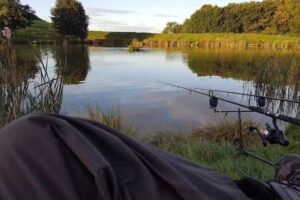
BackPoringland Lakes is a long‑established coarse fishery that combines traditional village charm with a clear focus on conservation and relaxed, enjoyable angling for a broad mix of visitors. Set around mature lakes managed by the Poringland Conservation and Fishing Lakes Association, it offers a calm, tree‑lined setting where anglers can settle into quiet swims and target a variety of species rather than just a single headline fish. The experience is shaped as much by the surrounding greenery and wildlife as by the fishing itself, which will appeal to those who value unhurried sessions and the social side of their sport as much as chasing weights.
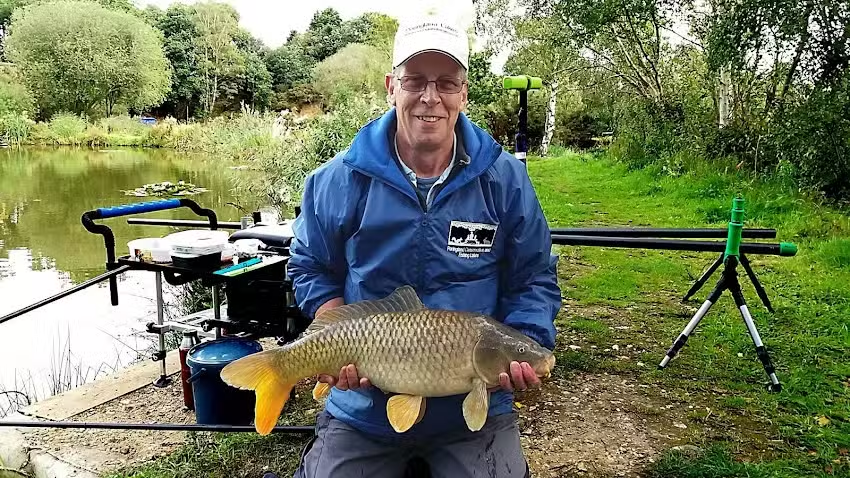
From an angling perspective, one of the strongest points in favour of Poringland Lakes is the stock profile. This is a mixed fishery with a good head of double‑figure carp, including fish reported at over 15 lb, backed up by bream, perch, roach, rudd and tench in healthy numbers. Local reports of twenty‑plus pound carp and personal bests on first visits suggest that the venue holds some surprisingly powerful fish for its size, offering realistic chances of memorable captures for dedicated anglers who are prepared to spend time watching the water and adjusting their approach. For visitors who simply want consistent bites, the presence of plentiful silver fish and hard‑fighting tench gives ample opportunity to keep the float moving and the rod bent.
Several regulars describe the banks as dotted with pleasant, tucked‑away swims that allow anglers to fish without feeling crowded, even when the venue is busy. The lakes were originally established in the early 1950s, and that maturity shows in the mixture of open water, marginal cover, woodland edges and grassed areas that now surround the pegs. This slightly traditional layout contrasts with more heavily commercialised venues and will suit those who prefer a natural backdrop to rows of identical platforms. However, the same character means that access is not uniform; some pegs are easy to reach and comfortable, while others involve negotiating slopes and tree roots, which may be more demanding for older visitors or anyone carrying a lot of tackle.
Fish welfare and conservation are clearly taken seriously by the association. The lakes are run as Poringland Conservation and Fishing Lakes, with an emphasis on maintaining water quality, managing habitat and keeping the stock in strong condition. There is now a dedicated net‑dipping facility on site, and all anglers are required to disinfect their landing nets and keepnets before starting to fish, which helps reduce the risk of disease transfer between waters. Regular communications encourage visitors to carry fish‑care products and to treat hook‑holds or minor sores as part of their routine, and the condition of the carp and silver fish reported in catch updates suggests that these measures are effective. For anglers who value responsible practice and want reassurance that their venue is being actively looked after, this is a notable positive.
The overall atmosphere around Poringland Lakes is generally described as friendly and relaxed. Managed day‑to‑day by a bailiff and a small team, the fishery attracts a mix of local season‑ticket holders and visiting coarse anglers who appreciate the quiet setting. A dedicated social media community allows members to share catches, wildlife sightings and updates about the water. Match dates and other organised events are scheduled throughout the year, and results show that the venue can produce respectable bags of carp and mixed fish for those fishing in a more competitive style. That said, the pegs are limited to keep angler numbers under control, and some visitors may find that availability can be tight at peak times, particularly during organised matches or when specific lakes are booked.
Fishing opportunities and target species
Poringland Lakes suits a wide range of coarse angling styles, from light float tactics for silvers to more focused carp fishing with modern rigs. Anglers interested in carp fishing will find a population of double‑figure fish, including named carp that feature regularly in catch reports, such as distinctive mirrors and well‑conditioned commons around the mid‑teens and above. A number of anglers have recorded personal bests on early visits, which underlines the potential of the water, although these larger carp are not guaranteed and can require careful observation, thoughtful baiting and quiet bankside behaviour.
Those who prefer traditional coarse methods will appreciate the shoals of bream, roach, rudd, perch and tench that patrol the margins and open areas. On the right day, simple float rigs with bread, corn or worm can produce steady action, with reports of sessions including a dozen carp backed up by numerous tench around the 2 lb mark and silver bream for variety. This makes the lakes appealing for mixed‑ability groups, where one angler may be concentrating on specimen fish while others are content to keep catching smaller species. It also makes Poringland Lakes suitable for younger anglers learning the basics, provided they meet the supervision requirements described by the association.
In terms of tactics, the layout encourages anglers to pay attention to features rather than simply casting long distances. Woodland edges, reed beds and the transitions between open water and temporary wetland areas often hold fish and can be productive with both float and feeder approaches. Carp anglers will likely benefit from quiet, methodical fishing, with careful placement of baits close to features and minimal disturbance; several notable captures have come after anglers spent time watching fish movements before committing to a swim. For coarse anglers, feeding modest amounts of groundbait or loose feed to build a swim steadily can bring fish into range without over‑feeding in these relatively intimate waters.
Facilities, access and rules
Facilities at Poringland Lakes are modest rather than extensive, reflecting its origins as a community‑focused conservation water rather than a fully commercial complex. The site is accessed from a residential road at the end of Hillside, and then by paths that lead around the lakes. Some sections are straightforward to reach with a barrow or trolley, but others are narrower or slightly uneven, which may pose challenges for those with reduced mobility or very heavy fishing tackle. For many anglers, this is an acceptable trade‑off for the more natural feel of the surroundings; however, anyone requiring particularly level access may wish to seek up‑to‑date feedback from recent visitors.
The association keeps the rule set relatively simple, but a few points are important for potential visitors. Anglers must comply with national freshwater rod licence regulations, and the fishery stresses that children are only permitted to fish when accompanied by an adult, both for safety and to maintain control over behaviour on the banks. Net‑dipping is mandatory before fishing, as already noted, and standard coarse fishery expectations around unhooking mats, barbless or micro‑barbed hooks and respectful handling apply, even if not all details are listed in public summaries. Day ticket availability and membership arrangements can change over time, with some periods when tickets for casual visitors have been reduced in favour of season‑ticket holders. Prospective guests are advised to check the latest status directly with the association rather than relying on older informal comments about access.
One area where opinions are more mixed concerns the amount of surrounding non‑angling activity and the visual impact of neighbouring properties. While many anglers highlight the sense of peace and the abundance of wildlife around the lakes, at least one reviewer notes that certain stretches of bank feel close to back gardens and that garden waste has been tipped down an embankment near the water. This suggests that, although the fishery team is focused on conservation, they are working within a shared village environment rather than an isolated rural estate. For most visitors this will be a minor issue, but those expecting complete seclusion may find that occasional signs of nearby residential life are visible from some swims.
Value, atmosphere and who it suits
Historically, Poringland Lakes has been regarded as a good‑value venue, with day tickets priced competitively compared with many other coarse fisheries in the region. While specific prices and ticket structures may change, the general aim has been to keep coarse fishing accessible for local anglers and families. Reports of enjoyable days for both beginners and regulars, including notable personal bests alongside modest mixed bags, indicate that many visitors feel they receive a fair return for their time and ticket cost. At the same time, the limited number of pegs and the community‑based management model mean that access is deliberately controlled, which can be positive for maintaining quality but may reduce spontaneity for drop‑in anglers.
The overall atmosphere is shaped by a core of season‑ticket holders and regulars who take pride in the condition of the water and its fish. Catch reports and match results show a friendly competitive spirit, with anglers congratulating each other on good weights or new personal records. For newcomers, this can make the venue feel welcoming, and the local knowledge on bankside can be useful when choosing a swim or deciding on tactics. However, some prospective visitors may prefer a more purely commercial setup with on‑site shops, formal coaching or extensive facilities, which Poringland Lakes does not currently offer. Its strengths lie more in its community feel, wildlife interest and traditional approach than in retail or hospitality extras.
In terms of suitability, Poringland Lakes is a sensible choice for coarse anglers who value a balance of carp and silver‑fish sport in a setting with a strong conservation ethos. It offers realistic chances of double‑figure carp and occasional larger fish for those prepared to fish thoughtfully, alongside steady sport from roach, rudd, bream, perch and tench for pleasure sessions or family trips. The environment is pleasant and largely tranquil, though not completely removed from village life, and the rules around supervision and welfare make it appealing for responsible parents bringing children to learn the basics of coarse fishing. Anglers whose priority is extensive facilities, guaranteed solitude or a highly commercial specimen‑water experience may find other venues better aligned with their expectations, but those who appreciate a community‑run, well‑looked‑after fishery are likely to enjoy what Poringland Lakes offers.
Overall, Poringland Lakes presents a thoughtful mix of strengths and limitations that potential visitors should weigh against their own priorities. On the positive side, it provides attractive, mature waters with varied species, sensible rules, active conservation measures and a friendly, village‑based angling community. On the more critical side, access to some swims can be less straightforward, the proximity of housing and occasional signs of neighbouring activity may detract from the feeling of isolation for some, and ticket arrangements can shift over time as the association balances demand and fishery health. For many coarse anglers, however, these factors are part of the character of a long‑standing, community‑run fishery rather than drawbacks, and Poringland Lakes continues to attract those who are looking for relaxed, responsible coarse fishing in a setting that clearly means a great deal to its regulars.