Cleatham Trout Fishery
BackCleatham Trout Fishery presents itself as a dedicated stillwater venue for anglers who value a focused session targeting quality trout rather than a general day out at a leisure complex. The setting is simple and uncluttered, allowing visitors to concentrate on presenting their flies effectively and reading the water, which appeals in particular to those who see a day on the bank as an opportunity to refine technique and enjoy the rhythm of casting rather than being distracted by non‑fishing attractions.
For many regulars, the main attraction is the consistently strong condition of the fish. Several visitors remark that trout here are fit, hard‑fighting and capable of long runs, which matters greatly to anyone choosing between different small stillwaters. When a venue is able to produce multiple takes in a session, with fish that pull strongly right through to the net, it suggests that stocking levels, water quality and handling are being managed with the angler’s experience firmly in mind.
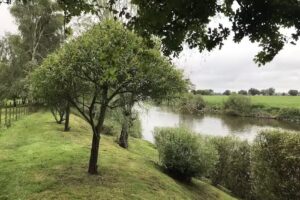
Cleatham Trout Fishery is often praised for being neat, well presented and thoughtfully laid out. Paths around the water are generally level, with plenty of benches placed at regular intervals, which can make a significant difference for anglers who value comfort, mobility or simply like to rest and observe the water between casts. Good parking close to the water reduces the need to carry heavy tackle long distances, something that becomes increasingly important when bringing multiple fly rods, larger bags or additional clothing for changeable weather.
From the perspective of fly presentation, the water is frequently described as very clear, allowing anglers to see fish moving and responding to their flies. Clear water can be both a blessing and a challenge: it is ideal for sight‑fishing, line control and learning how trout behave in a small stillwater, but it also demands finer tippet choices, more careful wading and accurate casting. Those who enjoy honing their approach and experimenting with patterns often find this type of water highly rewarding, especially when combined with a good head of fish.
Catch reports highlight that successful days are definitely possible, including sessions where anglers have brought well over a dozen fish to the net in an afternoon, with additional fish lost during the fight. This suggests that, at its best, the fishery can offer dynamic sport with frequent takes and active fish willing to chase. When the trout switch on, the experience can feel very productive, particularly for those looking to test different retrieves and depths to keep the action going throughout the session.
Fly choice appears to play an important role in making the most of what Cleatham has to offer. Some anglers report that once they ‘match the hatch’, the fishing improves noticeably, with patterns such as daddy longlegs and pheasant tail nymphs proving effective. For many visitors this is a positive sign, as it indicates that the fish respond to natural entomology rather than simply taking any brightly coloured lure. For those building up a collection of trout flies and wanting to understand when to switch from surface patterns to nymphs, this can be a very instructive venue.
The focus on fly presentation also makes Cleatham Trout Fishery a useful destination for anglers looking to get more value from their fly fishing rod and line set‑ups. With clear, still water and trout that react to subtle changes in retrieve and depth, visitors can learn how different line densities behave and how to control slack effectively. This can be particularly appealing to those who have invested in dedicated trout fishing tackle and want a fishery where they can see the benefit of that equipment during real‑world sessions rather than just on a casting field.
In terms of facilities, Cleatham keeps things relatively straightforward. The emphasis is on providing a functional, well‑kept fishery rather than a full‑scale visitor centre. Anglers will generally find what they need to enjoy a day’s fishing, but those who expect extensive on‑site catering or a tackle shop stocked with every possible accessory may need to plan ahead, ensuring they arrive with the right fishing gear, spare leaders and flies already organised in their boxes. This stripped‑back approach appeals to some, who prefer a venue that prioritises bank access and fish quality over non‑essential extras.
One of the clear strengths of Cleatham Trout Fishery is its accessibility along the banks. Level paths make it easier for anglers of varying mobility to move around and locate a comfortable peg, and the benches allow regular breaks while still keeping rods within easy reach. For anglers who spend long hours standing with heavier spinning reels or larger fishing rods at other venues, Cleatham’s seating and banking can feel notably considerate, especially on longer sessions or during colder months when fatigue sets in more quickly.
However, the fishery is not without criticism, and prospective visitors should be aware of recent negative experiences reported by some anglers. There are accounts of sessions where fishing has been extremely difficult, with fish apparently inactive for several hours at a time and very little visible movement in the water. In at least one instance, a visiting angler described conditions with extensive weed die‑off and an absence of aquatic life over several hours, which made it challenging to locate productive spots or present flies effectively. On days like these, even experienced anglers may find returns disappointing.
Weed management is a recurring concern in the stillwater trout sector generally, and Cleatham appears to face similar challenges. If weed growth becomes excessive or is not cleared consistently, it can significantly reduce the usable casting space, especially around the margins where bank anglers rely on clean water to retrieve their flies. Reports mention that, at times, only part of the pond has offered practical room for casting, with other areas becoming difficult to fish due to weed. This can be particularly frustrating for those who have travelled specifically to use a wide range of swims and test different wind directions and light conditions.
Stocking and catch consistency have also been questioned by some visitors. There are occasions where staff and other regulars have apparently reported very few recent catches, indicating that certain periods can be quiet across the board rather than just for one angler. While any trout fishery will experience slow spells due to weather, pressure and seasonal factors, repeated comments about limited takes over several weeks can give serious anglers pause, especially those who prioritise venues with reliable catch histories and clear stocking policies.
The human side of the experience is equally important, and feedback on customer interaction at Cleatham Trout Fishery is mixed. Many describe the fishery as well run and friendly, with staff and regulars contributing to a relaxed atmosphere where anglers feel welcome. A pleasant greeting at arrival, straightforward explanation of rules and a bit of local advice on fly choice or productive depths can make a memorable difference to the day, especially for visitors who are new to the water or still building confidence with their fly fishing tackle.
On the other hand, at least one negative review points to a less positive encounter when concerns were raised about poor fishing conditions and questions about refunds. In that account, staff were described as lacking empathy and becoming defensive when challenged about value for money. For potential visitors who take cost into account when choosing between different trout lakes or commercial venues, this sort of feedback may lead them to ask more detailed questions in advance about current conditions, stocking and likely prospects before committing to travel.
For anglers who see their time on the bank as primarily about improving skill, Cleatham offers genuine learning opportunities. The clear water, focus on fly patterns like daddy longlegs and pheasant tail nymphs, and the need to adjust to days when fish are cautious, all encourage a more thoughtful, technical style of fishing. Those who enjoy experimenting with different leaders, changing from a floating line to an intermediate, or fine‑tuning retrieve speed to tempt wary fish will often find the venue rewarding, particularly when this approach is matched by healthy trout willing to put a bend in the rod.
From a practical standpoint, it is sensible for visitors to arrive prepared with a good range of fly fishing flies, including both imitative and attractor patterns, and to bring appropriately rated fly rods capable of handling energetic trout while still offering the delicacy needed in clear water. Polarised glasses help to make the most of the visibility, allowing anglers to watch fish movement, track follows and adjust their angle of attack accordingly. A landing net of suitable size and a comfortable bank seat also fit well with the style of fishing encouraged around Cleatham’s level paths and bench placements.
Those who prioritise a high‑catch venue above all else may find the reported variability at Cleatham Trout Fishery a potential drawback. While there are clear examples of very productive sessions, there are also accounts of long, fishless outings where conditions or weed made success difficult. For some anglers this risk is acceptable, especially when balanced against the chance of encountering strong, well‑conditioned trout in a clean, uncluttered setting. Others may prefer to seek out venues with a more consistent reputation for high numbers, especially if they are travelling some distance or introducing newcomers to the sport.
Cleatham Trout Fishery offers a focused stillwater environment with notable strengths in water clarity, bank access and the fighting quality of its trout, alongside some concerns around weed management, occasional poor sport and mixed impressions of customer service. Anglers who value technical fly fishing, clear water and a straightforward, no‑frills setting are likely to appreciate what the venue can provide on a good day, while those who prioritise consistently easy catches, extensive facilities or a guaranteed high‑numbers experience may wish to weigh these factors carefully when deciding whether this is the right fishery for their next outing.