Trinity Lakes
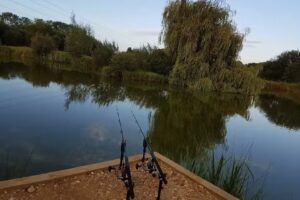
BackTrinity Lakes is a small, dedicated stillwater venue tucked behind a public house setting, offering a focused environment for anglers who prioritise calm surroundings and technical fly fishing over large-scale facilities. The setting is modest rather than luxurious, which will appeal to those who value water quality and fish behaviour more than on-site frills. As a commercial fishery it occupies a niche between intimate club water and fully commercial complex, giving visiting anglers a chance to refine their skills on pressured fish without feeling lost in a sprawling site.
The core appeal of Trinity Lakes lies in its emphasis on traditional game angling rather than general coarse fishing, making it a natural draw for fly anglers interested in stocked trout and similar species. For those who enjoy working the water methodically, casting to features and reading the wind, the venue offers the kind of manageable size that allows you to cover all banks across a typical session. This scale can be a positive for solo anglers or small groups who prefer a more personal experience, but it may feel limited if you are used to large commercial fisheries with multiple pools and high stocking levels. The overall impression from anglers is that the fishery delivers a straightforward day on the water: no-nonsense, functional, and focused on time with rod in hand.
From a facilities perspective Trinity Lakes is quite restrained, which will suit some visitors better than others. Access is generally straightforward thanks to its position close to a main road, but the on-site infrastructure is closer to basic than premium. Do not expect extensive tackle shops, cafés or a long list of extras; the fishery expects you to arrive prepared with your own fishing tackle, suitable clothing and refreshments. This simplicity can keep costs reasonable and maintains a low-key atmosphere, yet anglers who appreciate creature comforts between casts may feel that the venue leaves some potential untapped.
Feedback from visitors over recent years paints a picture of a fishery that is serviceable but not spectacular. Anglers describe their time here as acceptable and functional rather than exceptional, with experiences ranging from decent days with cooperative fish to sessions that felt underwhelming. A recurring theme is that the water is "ok" rather than outstanding, suggesting that while there is nothing fundamentally wrong with the lakes, there is also little that elevates them to destination status for travelling anglers. This moderate impression is important for potential visitors who might be weighing up a longer journey against more strongly recommended venues elsewhere.
On the positive side, the moderate scale of Trinity Lakes makes it a helpful venue for anglers who are still gaining confidence with fly fishing techniques. Those honing their casting or line control can benefit from banks that are easy to reach, manageable distances and fish that see enough pressure to be challenging but not impossible. For newcomers to stillwater trout fishing, this can be a good testing ground for improving presentation and strike timing. The relatively quiet nature of the venue most of the time also reduces the intimidation factor that some feel on busier complexes.
More experienced anglers will appreciate that Trinity Lakes encourages a thoughtful approach rather than simply relying on heavy stocking to guarantee fast catches. Success typically depends on reading the water, adjusting leader length and fly choice, and adapting to the behaviour of fish that may have seen a variety of patterns. Rather than being a venue where a single method works all day, conditions often call for changes in depth, retrieve and fly size, especially when fish become wary. For anglers who relish the technical side of the sport, this can make for satisfying, if not always easy, sessions.
In terms of target species, visiting anglers are primarily coming for stocked game fish rather than a broad mixed bag. That aligns with the venue’s fly fishing orientation and makes it more appealing to those who value quality individual fish over high numbers of smaller coarse species. The water lends itself to standard stillwater methods such as retrieving lures on sinking lines in cooler months and finer presentation with nymphs or buzzers when conditions stabilise. While you will not find an elaborate spread of specialist pools, there is enough variety in depth and features to reward anglers who pay attention to bankside structure and subtle changes in clarity or temperature.
Because Trinity Lakes does not operate as a fully fledged tackle outlet, anglers will need to ensure they bring a complete set of essential gear. Core items such as a reliable fishing rod, quality fishing reel, appropriate fishing line and a well-chosen selection of flies are all down to the individual. Many visitors also opt to carry compact accessories like fishing hooks, tippet spools, a landing net and basic bank-side tools. For those who habitually visit large commercial venues with on-site shops, this requirement to be self-sufficient may feel like a step back, but others appreciate the straightforward, no-retail atmosphere.
Another aspect worth noting is the general standard of upkeep and atmosphere. Reports from visiting anglers suggest that while the fishery is functional, it could benefit from more regular cosmetic maintenance and clearer signage in places. Paths and pegs are usually usable but may feel a little tired in comparison with newer, heavily landscaped complexes. This is not a deal-breaker for most anglers, but it reinforces the sense that Trinity Lakes is a working fishery rather than a polished destination designed around hospitality as much as fishing.
Customer interaction with the fishery management appears limited but adequate. Anglers typically mention straightforward, business-like dealings rather than particularly warm or memorable service. Booking and arrival are generally simple, and the rules are clear enough to avoid confusion, but there is little feedback that suggests a strong sense of community or events programme around the lakes. For some visiting anglers, this low-key approach is ideal: arrive, fish, and leave without fuss. Others may wish there was more engagement, advice and visible investment in the angling experience.
For potential visitors assessing whether Trinity Lakes is suitable for them, it helps to weigh its strengths and weaknesses carefully. On the plus side, it offers focused stillwater fishing in a calm setting, a manageable size that is particularly friendly to solo anglers and small groups, and an emphasis on genuine angling skill rather than sheer numbers. On the downside, its modest scale, limited facilities and mixed feedback on the overall experience mean it may not satisfy anglers looking for a standout destination with a strong reputation and a wide choice of waters.
Those who will gain the most from a visit are likely to be anglers who already enjoy independent, low-key days with their own carefully chosen fishing gear. If you value the opportunity to fine-tune your casting, test different patterns and work steadily through a modestly sized water, Trinity Lakes has enough to justify a session. Conversely, if you want a high-profile complex with extensive services, busy banks and a strong word-of-mouth buzz, you may find this venue feels relatively quiet and understated. In either case, the key is aligning expectations with what the fishery actually offers: a straightforward, functional stillwater setting with room for improvement, but also room for personal, focused angling.
Ultimately, Trinity Lakes stands as an option for anglers who prioritise water time over additional amenities and who do not mind that the wider angling community seems to regard the venue as acceptable rather than essential. Its understated character, modest but adequate provision for visitors and emphasis on self-sufficient preparation all shape the experience. For prospective customers considering where to spend their next day’s fishing, it sits somewhere in the middle of the spectrum: neither a top-tier destination nor a water to ignore, but a viable choice for those whose preferences match its quietly functional approach to stillwater angling.