Canterland Fishings
BackCanterland Fishings is a well‑known destination for anglers seeking challenging yet rewarding experiences on the River North Esk in Scotland. Located just off the A937 near Marykirk, this fishery is part of an area deeply associated with salmon fishing traditions that stretch back centuries. The beats at Canterland are managed with care, offering a balance between accessibility for visiting fishers and the preservation of the river’s natural environment.
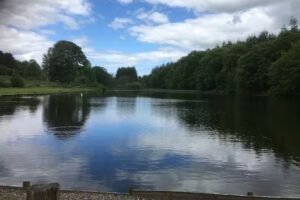
The fishings occupy a scenic stretch of the River North Esk, a river renowned throughout Scotland for its fresh‑run Atlantic salmon and healthy sea trout stocks. What distinguishes Canterland Fishings from other beats is its diversity of water — long glides, gravelly pools, faster streams, and deep channels — all of which make for a varied and technically engaging experience. On good days during the spring or autumn runs, the action here can be exceptional.
Fishing Conditions and Experience
Canterland is typically divided into upper and lower beats, allowing visiting anglers to enjoy a fair rotation and ensure the fish are not pressured excessively. The waters are fly‑only, catering to those who appreciate traditional fly fishing disciplines. For enthusiasts, this is one of the river’s most attractive features: it rewards skill, patience, and careful presentation rather than brute persistence.
The beat is particularly appealing in spring when fresh salmon push up from the sea, and again in late summer when both grilse and autumn fish arrive. Sea trout also make their presence felt at dusk on warm summer evenings, providing a thrilling opportunity for light tackle sport. The average rod here can expect periods of quiet interspersed with moments of intense excitement — precisely what dedicated fly anglers hope for.
Facilities and Access
Access to Canterland Fishings is relatively straightforward from Marykirk and Laurencekirk. Parking is available close to the riverbank, and footpaths lead anglers through fields and wooded areas to the various pools. The fishery is managed in cooperation with local landowners, and rods can be booked either directly or through established sporting agencies. While there is no large lodge or shop on site, nearby accommodation options — including country inns and guesthouses — make it convenient for visitors planning a longer stay.
Compared with some larger estates, Canterland maintains a more personal and low‑key atmosphere. This can be an advantage for anglers who prefer quiet, undisturbed fishing. However, the lack of on‑site amenities may be a drawback for those accustomed to full‑service lodges with catering, guiding, and equipment hire. Bringing one’s own gear is essential — especially waders, rods suited for medium‑sized spey casting, and the right selection of flies for varying river heights.
Environmental Stewardship
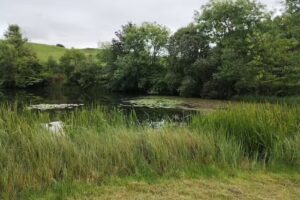
One of the major strengths of Canterland Fishings is its dedication to conservation. The River North Esk has benefitted from habitat improvement and responsible management, and Canterland’s operators encourage sustainable fishing practices such as catch‑and‑release. This ethos appeals strongly to modern anglers who value ecology as much as sport. The banks are well kept without being over‑manicured, retaining the wild charm that makes Scottish salmon rivers so distinctive.
That said, river conditions can be unpredictable; water levels depend heavily on rainfall, and the North Esk’s flow can rise and fall dramatically after storms. During prolonged dry spells, fishing can become challenging, and visiting anglers sometimes report that success rates drop sharply when the river runs low and clear. This variability is part of the appeal for purists but may frustrate those expecting more consistent sport.
Local Reputation and Visitor Feedback
Reviews from visiting fishers generally praise Canterland for its beauty, peaceful surroundings, and fair pricing relative to other North Esk beats. Many describe the setting as idyllic, with frequent sightings of otters, herons, and kingfishers adding to the experience. The beat’s ghillie, when available, is often commended for being helpful and knowledgeable, offering advice on water levels and fly choice.
On the downside, a few visitors have noted that wading can be demanding in places due to uneven gravel and slippery rocks. Newcomers to Scottish river fishing might find this physically challenging, particularly in high water. Additionally, given the beat’s rural character, mobile reception can be patchy — not a problem for everyone, but something worth knowing before arrival.
Seasonal Highlights and Tactics
Spring fishing at Canterland often focuses on heavy‑bodied flies or tube patterns such as the Willie Gunn or Ally’s Shrimp, swung deep to tempt early salmon moving upriver. In summer, smaller doubles or microtubes come into play, especially during low, clear conditions when subtlety counts. Autumn provides perhaps the best blend of scenery and sport, with leaves changing colour and fish becoming more active as temperatures cool.
Visiting anglers should pay close attention to river height data and recent catches before booking. Those who approach with realistic expectations and flexible tactics are typically rewarded. Even if the fishing itself proves quiet, the quality of the setting — wooded banks, open farmland, and the gentle sound of water — ensures a memorable outing.
Strengths and Limitations
- Exceptional natural setting and peaceful atmosphere along a productive Scottish salmon river.
- Strong conservation values with encouragement of catch‑and‑release practices.
- Good mix of pools, glides, and runs appealing to traditional fly anglers.
- Relatively affordable compared to some famous beats on the Tay or Dee.
- Limited facilities; self‑sufficiency required.
- Variable success rates depending on rainfall and water height.
- Challenging wading in certain pools may deter less experienced fishers.
Overall Impression
Canterland Fishings provides one of the more authentic salmon fishing experiences available to the public in eastern Scotland. It isn’t a luxury destination — there are no grand lodges or hosted dinners — but that simplicity is part of its charm. It allows the natural beauty of the River North Esk to take precedence, and those who visit often feel a strong connection to the rhythm of the river and the proud angling heritage of the area.
For anyone looking to spend time on the water in quiet surroundings, with a genuine chance of contacting a hard‑fighting wild salmon or sea trout, Canterland Fishings stands out as a worthwhile choice. It may not guarantee success on every cast, but it promises authenticity, solitude, and the satisfaction of fishing waters that remain largely unchanged through generations of Scottish anglers.