Lakedown Trout Fishery
BackLakedown Trout Fishery presents itself as a purpose-built destination for dedicated fly anglers who value scenery, tranquillity and a traditional approach to trout fishing over high‑octane commercialism. Rooted in its origins as a fishery designed in 1981 by musician Roger Daltrey, it has evolved into a mixed leisure venue that combines classic stillwater angling with a sociable taproom atmosphere, attracting both serious anglers and visitors who simply want to relax by the water with a drink.
The core attraction for anglers is the network of four spring‑fed lakes, covering around 20 acres, which provide a natural‑feeling environment rather than an artificial bowl. These lakes are supplied by clear, cold springs that support a strong population of aquatic invertebrates, which in turn encourages more natural feeding behaviour from the stocked fish. For fly fishers, this means hatches of various species and plenty of opportunity to match the hatch using traditional patterns, rather than relying only on heavily stocked fish that will take anything thrown at them.
Regular visitors often highlight the visual appeal of the lakes: wooded banks, reedbeds and wildflowers give the venue a more intimate feel than some larger commercial waters. This is a positive for anglers who appreciate stalking fish along the margins or sight‑casting in calm conditions. On the other hand, anglers who prefer wide‑open banks and completely unobstructed casting space may occasionally find certain spots tighter, especially in breezy conditions or with longer back casts.
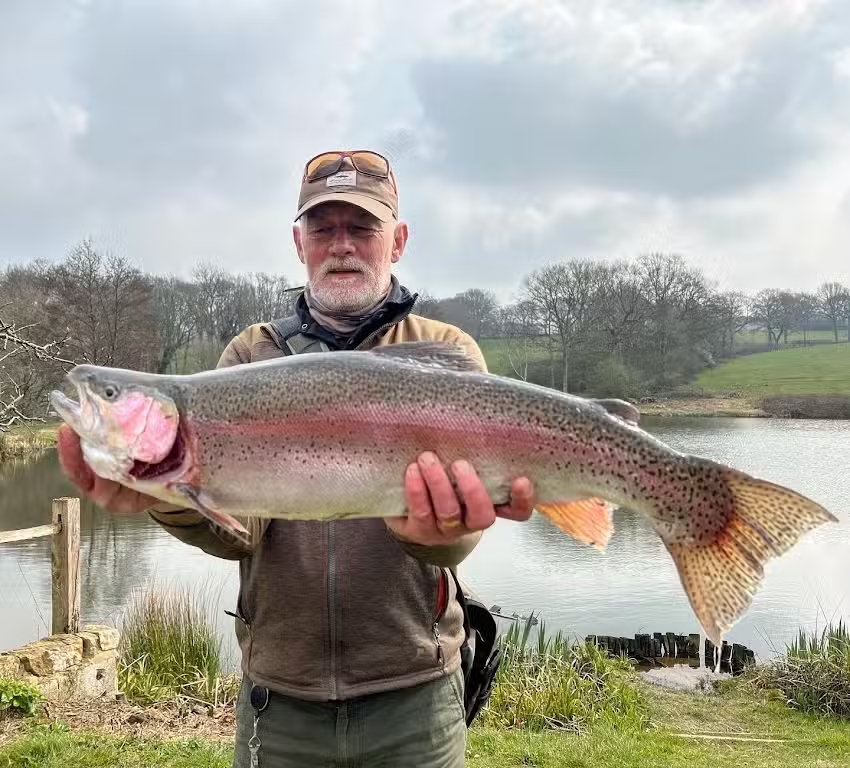
The fishery is clearly set up with fly fishing in mind, catering to anglers pursuing rainbow trout and, at times, brown trout in a stillwater setting. Reports from the fishery itself mention steady catch rates with an average of around one and a half to two fish per rod during productive spells, and examples of quality fish around 6–9 lb being landed, which will appeal to those chasing larger specimens. This is not a venue where every cast produces a fish, but one where perseverance and good watercraft are rewarded with powerful, fin‑perfect trout that have benefited from the rich aquatic life of the lakes.
From a technical perspective, the venue suits anglers who enjoy adapting to conditions. Updates from the fishery describe fish being taken at different depths, from sub‑surface with buzzers and nymphs to more active styles with damsel nymph patterns and weighted offerings, and even on dry flies during hatches. For those developing their stillwater skills, this variety is valuable: there are chances to practise everything from slow intermediate presentations to top‑of‑the‑water work when fish rise freely.
Advice from local tackle experts and visiting anglers suggests that patterns such as damsels, Montanas, buzzers, nymphs and more modern attractor flies all have a place here, particularly in olive and darker shades when fish are feeding just under the surface. This aligns with what experienced stillwater anglers would expect from a productive, spring‑fed trout lake, and signals that Lakedown rewards thoughtful fly choice and careful presentation rather than a purely numbers‑driven approach.
In terms of layout, three of the lakes are typically available for day‑ticket anglers, providing enough room for comfortable casting and movement between pegs. A positive noted by visitors is that there is generally plenty of space and the atmosphere is relaxed, so anglers do not feel crowded or rushed. This quieter ambience can be a major advantage for those who consider stillwater fly fishing lakes as places to unwind as much as to catch fish.
The fishery also offers some supporting infrastructure that makes a day on the bank more comfortable. There is a lodge on site, traditionally serving as a base where anglers can shelter, warm up and enjoy a hot drink, particularly appreciated in colder months after hours spent casting in cool conditions. Clean toilet facilities and a decent‑sized parking area add to the practicality, meaning anglers can plan longer sessions without worrying about basic amenities.
One of the distinctive aspects of Lakedown compared with many other commercial fisheries is the on‑site taproom, operated alongside the fishery. Located in the fisherman’s lodge, it serves beers from Lakedown Brewing Co., supplemented by wine, local soft drinks and simple food such as cheese and charcuterie boards. At weekends, rotating street‑food vans bring in burgers and other hot options, which has made the venue increasingly popular with mixed groups where only some members are fishing and others are there for the social side.
Feedback from visitors commonly praises the friendly and welcoming staff, noting a laid‑back but attentive attitude at both the fishery and the taproom. This atmosphere can be particularly appealing to newcomers to fly fishing, who might otherwise feel intimidated at more formal venues. Those who are relatively new to casting and retrieving in stillwaters often appreciate being able to ask questions in a relaxed setting and then finish the day with a drink while discussing what worked on the water.
A recurring positive theme from anglers is the sense of seclusion. Although the fishery is reachable by car and offers a reasonable car park, once on the banks there are few, if any, visible signs of habitation. This creates the impression of fishing a private valley, away from roads and buildings, with only birdsong and the sound of water for company. For many, this sense of escape is just as important as the catch rate, and forms a big part of the appeal when choosing a trout fishery for a full‑day ticket.
Set against these strengths are some potential drawbacks that may matter to certain visitors. The access road, for example, is a narrow country lane that requires careful driving, particularly for those not used to rural routes. While this contributes to the secluded feel, it can be a minor inconvenience for larger vehicles or nervous drivers. There is also an expectation that anglers are reasonably self‑sufficient; although staff are helpful, Lakedown is not heavily structured around tuition or guiding, so complete beginners might want to come with a friend or take some instruction beforehand.
Another point to consider is that the fishery maintains a more traditional payment and booking approach. Historically, anglers have been encouraged to book in advance, and on‑site payment methods can be more limited than at some modern venues. Potential visitors are therefore well advised to check current arrangements before travelling, especially if they are used to purely online booking or card‑only transactions at other day ticket fisheries.
The fishery management has also been open about ongoing maintenance work on specific lakes, including periods when certain waters have been taken out of use for desilting or bank repairs. While this demonstrates a commitment to long‑term quality and safe banks, it can temporarily reduce the choice of lakes available on any given visit. For anglers who have a favourite water or who are making a long journey, it is sensible to check current conditions and any closures before setting off.
Catch reports can vary with weather and angling pressure, as they do anywhere. There have been spells when water clarity has become coloured after heavy rainfall, and like all stillwaters, fishing can be more challenging on bright, hot days or when fish switch to small, delicate food items. Experienced anglers may relish these testing conditions, but those expecting easy fishing every trip should recognise that Lakedown is run more as a quality fly fishery than a put‑and‑take venue where large numbers of fish are stocked purely to guarantee high bags.
For non‑anglers or mixed groups, the balance between fishery and taproom can be both a strength and a subtle limitation. On busy event days the social side can come to the fore, which is ideal for visitors coming for craft beer and food pop‑ups, but some purist anglers might prefer quieter weekdays when only fellow fishers are present. The operators try to signal upcoming events in advance so that visitors can choose the type of day that suits them best.
Accessibility is another aspect worth noting. The fishery has taken steps to provide a wheelchair‑accessible entrance, which suggests an awareness of inclusive access, although the natural terrain and banks will still restrict how close some visitors can get to certain pegs. Anyone with mobility concerns will benefit from contacting the venue beforehand to understand which parts of the fishery are most suitable and where the easiest paths and flatter bank sections are located.
As a destination within the wider community of British fishing lakes, Lakedown occupies an interesting niche. It sits somewhere between a traditional, quietly run stillwater and a more contemporary leisure site, offering quality fly fishing for trout alongside a craft taproom and regular food events. For many visitors, this combination is a major advantage, allowing them to enjoy both focused angling and a relaxed social setting without leaving the site.
Prospective customers weighing up whether to visit will find a fishery that places emphasis on scenery, atmosphere and the quality of fish rather than sheer numbers caught. The positives include picturesque spring‑fed lakes, a friendly and laid‑back team, a comfortable lodge and taproom, and a varied programme of street‑food traders and beers that add to the appeal for families and friends. The downsides are largely practical: a rural access road, the need to plan visits around maintenance closures and events, and an approach that may feel less immediately straightforward for first‑time anglers who expect a heavily structured coarse and game fishing complex.
For those who value peaceful surroundings, interesting water, and the chance to target strong, well‑conditioned trout in a carefully maintained setting, Lakedown Trout Fishery stands out as a compelling option. Anglers seeking a more casual introduction to fly fishing lakes can also find it welcoming, especially if they appreciate the bonus of quality local beer and food on site. By considering both its strengths and limitations in advance, potential visitors can decide whether this particular blend of traditional fishery and modern taproom aligns with the experience they want from their next day on the water.