Broome Pits
BackBroome Pits is a long‑established coarse fishery made up of four former gravel pits that have been transformed into a mixed venue for pleasure anglers, specimen hunters and newcomers to the sport. The complex combines relatively easy access, simple day‑ticket fishing and a natural, slightly wild feel that appeals to those who like their angling without too much formality. For anyone searching for a versatile spot to cast a line, it offers a mix of strengths and a few limitations that are worth weighing up carefully.
The layout and general character of the fishery
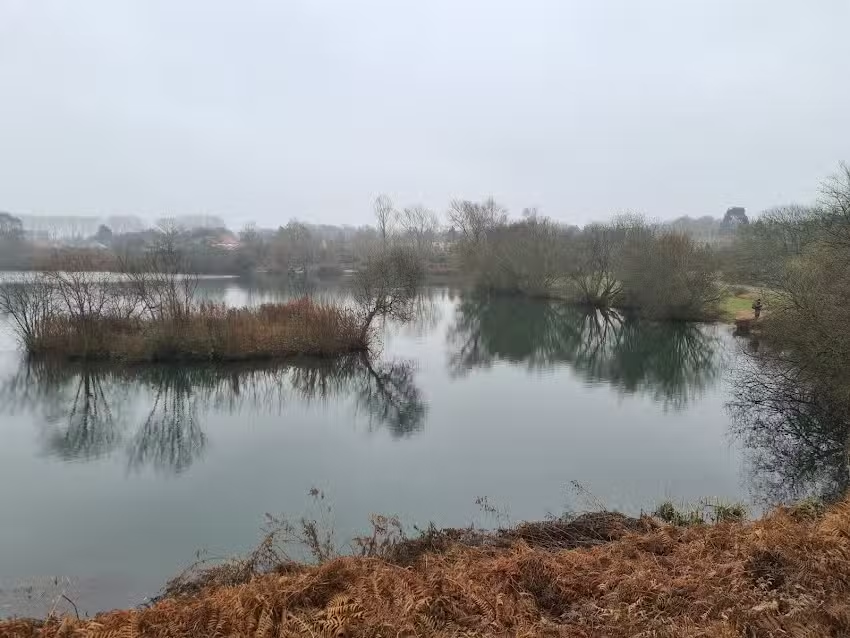
The complex is arranged around four separate lakes, commonly referred to as A, B, C and D, spread over more than twenty acres of water. Each lake has its own character, depth changes and fish stocks, which helps anglers match the water to their own experience and expectations. Being old gravel workings, the pits tend to have clear water, distinct shelves and deeper holes, so building an understanding of the underwater features is important for consistent results.
Access is generally straightforward, with parking areas dotted around the perimeter and short walks to most swims. Visitors often comment that the tracks and banks feel looked after while still retaining a natural look rather than a manicured commercial feel. Dog walkers use the surrounding paths as well, so there is a steady but usually relaxed level of human activity around the site, particularly in fine weather.
Species, stocking and target fish
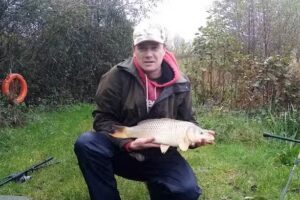
Broome Pits is primarily known for its carp fishing, but it is not a one‑species venue. The lakes hold carp that have grown well into the upper twenties and beyond, with reports of fish surpassing the thirty‑pound mark and a reputation for specimens going higher still. Alongside the carp, there are large bream, solid tench, roach, rudd and pike, making it a genuine all‑round coarse fishery rather than a single‑purpose carp park.
Anglers looking for prolific mixed bags will find that the bream and silver fish are well represented, especially in the more heavily stocked waters. The presence of pike into the low twenties adds a predatory angle in the colder months, which can be attractive for those who enjoy lure or deadbait tactics. The balance between specimen fish and smaller species means that a trip can be tailored towards either quality or quantity, depending on tactics and lake choice.
The four lakes: A, B, C and D
Lake A sits close to the main parking area and is often the first water visitors encounter. It offers a blend of bream, tench, carp and pike, with carp and pike reputed to reach the low twenties in weight, while the bream are particularly numerous. For many, this lake is associated with enjoyable coarse fishing using feeder or waggler tactics, with the chance of an opportunistic carp or pike if stronger tackle is used. The depth and clarity of the water, plus weed growth in warmer months, reward anglers who think carefully about presentation and feeding.
Lake B is widely regarded as the main carp water on the complex. This is where those targeting larger fish focus their efforts, with a stock that includes carp into the mid‑thirties and a spread of back‑up fish that still provide a serious challenge. As well as carp, there are sizeable bream and tench, so even a quiet carp session can be punctuated by heavy, slab‑sided fish that fight hard. This lake tends to attract more experienced carp anglers using modern methods, alarms and bivvies, and it can feel busy at peak times when conditions look favourable.
Lake C is often described as the "runs water" and is popular with beginners, families and anyone who wants steady action to build confidence. The carp here tend to be smaller on average, and the density of fish means multiple takes in a session are realistic when conditions are right. This makes it a good choice for those trying out new rigs or techniques in a forgiving environment. The atmosphere on this lake is usually more relaxed and sociable, reflecting its role as an ideal starting point for newer anglers.
Lake D, by contrast, has a reputation as the hardest of the four, with only a handful of carp present but fish that are reputedly very large. This is the water for patient specimen hunters prepared to sit it out for a small number of chances in return for a serious reward. The usual roach, rudd and other coarse species are also present, so float or feeder anglers can still enjoy a more traditional session here if they are not solely focused on carp. The low stock of large fish inevitably means blanks are more common, and this should be taken into account by visitors who prefer regular bites.
Ticketing, access and general facilities
Broome Pits operates on a day‑ticket basis, with access available around the clock throughout the week. This flexible arrangement suits those who prefer short daytime trips as well as anglers who favour overnight stays in the hope that the bigger carp will feed more confidently in the dark. Tickets are obtained on site from fishery staff, which allows for brief contact with a bailiff to clarify rules or recent form.
The site is not heavily developed in terms of buildings or formal facilities, and this is part of its appeal for anglers who like a more traditional environment. There are no elaborate clubhouses or cafés on the banks, but there is a convenience store within walking distance that can supply basic food, drinks and other essentials. Several paths and parking spots around the pits make it possible to choose swims according to wind direction, features or personal preference without long walks weighed down by tackle.
Strengths for visiting anglers
One of the main advantages of Broome Pits is the variety it offers within a single complex. Carp specialists can focus on the main specimen waters, while pleasure anglers, families and novices have a more forgiving runs water option. This flexibility is particularly useful for groups of mixed ability, as everyone can fish in a way that matches their own expectations yet still share the same venue.
The fishery’s stock profile is another strong point. The combination of carp to an impressive size, prolific bream shoals, tench, roach, rudd and pike delivers a broad range of targets throughout the year. This makes the venue suitable for classic carp fishing with boilies and modern rigs, traditional match fishing style sessions on the feeder, and predator sessions when temperatures drop. Many visitors also appreciate the natural surroundings and the presence of dog‑walking routes, which create a pleasant backdrop to a day on the bank.
Limitations and potential downsides
While Broome Pits has many appealing aspects, there are also some points that potential visitors should consider. The popularity of the complex, particularly on weekends and during good weather, can make parking areas busy and reduce the choice of swims. Anglers who prefer solitude may find that certain lakes, especially the main carp water and the easier runs lake, feel crowded at peak times.
The very features that make the pits interesting to fish can also pose challenges. Clear water, deep margins, weed growth and pronounced bars mean that refined tactics are often required, and those who simply cast blind may struggle to get the best from the venue. On the hardest lake, the extremely low stock of big carp means that long periods without action are entirely possible, which will not suit everyone. In addition, the relatively low level of on‑site infrastructure means that anglers need to arrive prepared, as there is no dedicated tackle shop or café within the fishery itself.
Comfort, surroundings and non‑angling use
The surrounding common land and footpaths make Broome Pits a pleasant area for walking as well as angling. Many visitors mention that the ground remains reasonably firm thanks to sandy soil, which helps keep the banks usable even after rain. Dog walkers are a common sight, and there are bins provided around the site to encourage responsible use of the area.
This shared use between anglers and walkers creates a multi‑purpose environment rather than a purely fishing‑only setting. For some, that means a more relaxed and friendly atmosphere, while others who want complete peace and quiet might occasionally find the presence of other users a distraction. The absence of heavy traffic noise and industrial surroundings is often highlighted as a positive, contributing to a feeling of being in a green space rather than on a heavily commercial complex.
Suitability for different types of angler
Broome Pits is well suited to anglers who appreciate choice and are willing to adapt their tactics to each lake. Beginners and those returning to fishing after a break may find Lake C particularly welcoming, where multiple bites are a realistic prospect and the chance of a carp is high without needing specialist knowledge. Families can enjoy a shared day out with children watching floats dip to regular roach and bream.
More experienced anglers focused on larger fish will find that Lakes B and D offer a genuine challenge. On B they can pursue carp of a respectable size with a fair expectation of runs if conditions are favourable and rigs are presented well. On D, they can refine their big‑fish approach, accepting the risk of blanks in exchange for the possibility of a rare but memorable capture. Pike anglers using lures or deadbaits have viable prospects in several of the lakes during the colder months.
Overall impression for prospective visitors
As a day‑ticket venue open around the clock, Broome Pits offers a blend of accessibility and challenge that will appeal to a broad spectrum of anglers. Those looking for a polished commercial complex with extensive on‑site facilities may find it a little basic, but anglers who value natural surroundings, varied stocks and the chance to fish different styles in one place are likely to see its appeal. The venue’s mix of specimen carp, abundant silvers and pike offers plenty of scope for both casual trips and more focused campaigns.
For anyone searching for a mixed coarse venue where they can practise pole fishing, feeder work or traditional float tactics alongside modern carp methods, Broome Pits stands out as a realistic option. It is neither the easiest nor the hardest place to wet a line, and that balance is part of what keeps anglers returning. With a little preparation, thoughtful swim choice and an understanding of each lake’s character, visitors can give themselves a strong chance of an enjoyable and productive session.