The Drum Fishery
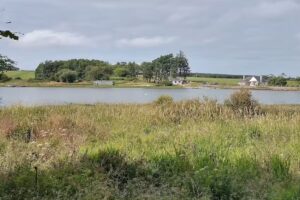
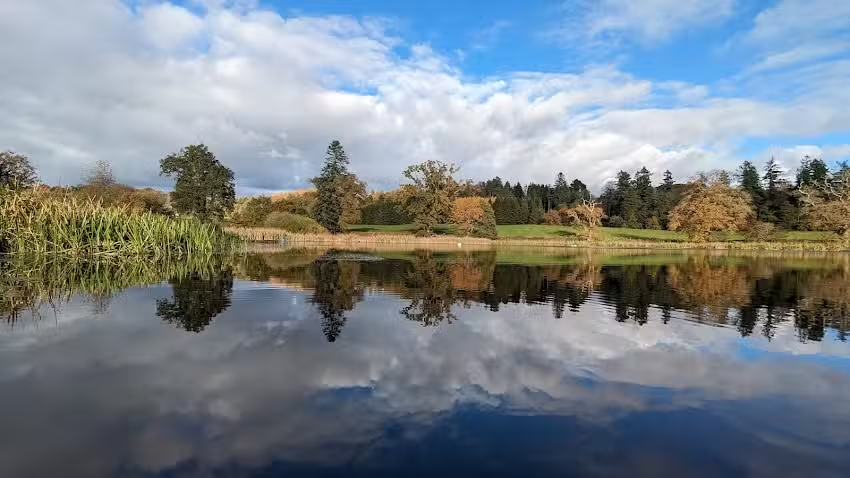
BackThe Drum Fishery offers a focused stillwater experience for anglers who value quiet surroundings and straightforward trout fishing without unnecessary frills. Set within easy reach of Dumfries, it attracts those who want to spend time actually fishing rather than navigating complex facilities or crowded banks. The atmosphere described by visitors is calm and unhurried, which will appeal to anyone who prefers a relaxed day with a rod rather than a highly commercial venue.
Feedback from anglers highlights how peaceful the water feels, with plenty of space around the banks and an uncomplicated layout that makes it easy to settle into a rhythm. The site is described as clean and tidy, suggesting that basic maintenance is taken seriously and litter is kept under control. For many visitors, this sense of order and simplicity is a key part of the appeal, particularly for those used to busier commercial waters where noise and congestion can spoil a session.
The fishery focuses on trout fishing with a clear emphasis on traditional methods. Reports consistently mention a good stock of trout, giving anglers a realistic chance of regular takes throughout a session. This suits anyone who wants a venue where bites are likely, rather than a highly pressured water with few fish. For newcomers to stillwater trout or those fine-tuning their technique, this balance between accessibility and challenge can be a strong advantage.
One of the most distinctive characteristics of The Drum Fishery is its commitment to fly fishing. Anglers note that spinning is not permitted, so all fish are taken on the fly. This creates an environment tailored to those who enjoy casting a fly line and working through patterns rather than relying on hardware-based methods. For fly anglers, sharing the bank exclusively with others using similar techniques often results in a more consistent pace of fishing and fewer conflicts over tactics.
Because of this focus, The Drum Fishery is likely to suit anglers who already have some experience with fly tackle or those keen to learn and practise. The water gives an opportunity to use classic trout patterns and modern stillwater flies, from nymphs and buzzers to lures, depending on the season and conditions. While specific on-site instruction is not widely documented, the manageable size of the fishery and the reported ease of access to the fish make it a practical place for less experienced fly anglers to build confidence.
Cleanliness and general presentation receive repeated praise. Visitors describe the water as tidy, with well-kept banks and surroundings that allow easy movement without battling overgrown margins. For anyone who has struggled with snaggy, neglected banks elsewhere, this attention to basic upkeep can make a significant difference to comfort and productivity. It also suggests that the fishery operators maintain a regular presence and keep an eye on conditions.
Accessibility is another positive aspect mentioned by anglers. The Drum Fishery is described as easily reachable and straightforward to move around, and there is a wheelchair-accessible entrance, which opens up the venue to a broader range of visitors. This makes it a realistic option for older anglers or those with reduced mobility who still want to enjoy freshwater fishing without difficult terrain. The simplicity of the layout also helps when carrying gear or setting up multiple rods and tackle bags beside the bank.
For those interested in wider angling opportunities, The Drum Fishery forms part of a larger portfolio of waters managed locally, providing options that range from river beats to additional stillwaters. While this article focuses on The Drum itself, the connection to an established angling association means that stocking policies and fishery management are likely to follow consistent standards. This background can provide some reassurance that fish are introduced responsibly and that rules are enforced with the health of the water in mind.
On the water, the emphasis is squarely on a straightforward day’s sport rather than elaborate facilities. There is little in the way of detailed public information about on-site amenities such as tackle shops, cafés or extensive shelter, so prospective visitors should be prepared to bring their own food, drink and any extra clothing or equipment required. For some anglers this stripped-back approach is a benefit, keeping attention on casting, presentation and watercraft rather than retail or catering.
From the point of view of potential customers, one of the key strengths of The Drum Fishery lies in its suitability for short-notice trips. With a compact site, easy access and no need to navigate complex booking systems described in public sources, it works well for anglers who want to grab a few hours of coarse and game fishing rather than plan a full-blown holiday. This also makes it attractive for local residents who wish to fit sessions around work or family commitments.
However, there are also points that may be viewed less positively depending on what an angler is looking for. The strict fly-only rule means that those who enjoy spinning, bait fishing or other styles will not find their preferred techniques catered for here. Anyone whose interest in angling centres on bait fishing, ledgering, or carp fishing will likely need a different venue, as this water is run with traditional stillwater trout methods in mind.
Another limitation is the relatively narrow range of information openly available about pricing structures, catch limits, or special events. Potential visitors who like to compare packages, concessions or membership options in detail may find they have to contact the controlling body directly for up-to-date terms. For some, this lack of easily accessible detail can be mildly inconvenient in an age where many fishing lakes publish comprehensive information online.
The number of public reviews is also quite small, which makes it harder to form a picture based on a wide pool of experiences. The comments that are available are consistently positive, praising the quality of the trout, the quiet setting and the cleanliness of the site, but they do not cover every aspect of the operation. For example, there is limited feedback about how the fishery fishes in different seasons, how it performs in extreme weather, or how busy it becomes at peak times such as weekends and bank holidays.
For families and complete beginners, the absence of detailed information about tuition, equipment hire or children’s provision is something to consider. While competent fly anglers with their own kit appear to have no difficulty enjoying the water, those who are completely new to the sport may need to arrange separate instruction elsewhere or visit with a more experienced companion. The fishery seems designed primarily for anglers who already understand basic fly casting, fly choice and fish handling.
Despite these limitations, The Drum Fishery fills a clear niche. It provides a focused trout water where the priority is to offer consistent fly fishing in neat surroundings without the distractions sometimes found at larger, multi-purpose venues. Anglers who value a low-key, well-kept stillwater, with a decent head of fish and a calm atmosphere, are likely to find it fits their needs, provided they are comfortable with the fly-only rules and bring their own gear and supplies.
For visiting anglers comparing options, The Drum stands out as a place where a simple, quiet day with the fly rod is the main attraction. Those planning a trip would be sensible to check the latest conditions, rules and ticket arrangements with the managing organisation before travelling, particularly if they have specific requirements such as tuition, group bookings or accessibility beyond the entrance. By doing so, they can judge whether this compact, tidy trout water aligns with their expectations for a rewarding session.
The Drum Fishery offers a straightforward proposition: a clean, peaceful stillwater with a good stock of trout and an emphasis on fly fishing, suitable for anglers who want to focus on casting and presentation in uncluttered surroundings. It may not suit those seeking extensive facilities, multiple methods or highly detailed public information, but for many trout fishing enthusiasts that simplicity is precisely where its value lies.