Ian Murray Loch Nagar
BackIan Murray Loch Nagar focuses on giving visitors a hands-on taste of traditional Scottish fly fishing, with a very personal approach that suits complete beginners as much as more experienced anglers. Located close to a range of scenic waters, this small operation is built around the knowledge and personality of a single guide rather than a large retail set-up, so the experience revolves around time on the water rather than browsing racks of tackle. For many people this is precisely the attraction: instead of trying to navigate a crowded fishing tackle shop, they step straight into a carefully prepared session where rods, reels and lines are already chosen for them and the emphasis is on enjoyment and learning.
One of the strongest points repeatedly highlighted by visitors is the relaxed atmosphere created by Ian himself. Nervous first-timers who worry about looking out of place with a fly rod tend to find that those fears disappear quickly once they meet a patient instructor with a calm, good‑humoured style. Guests describe arriving as complete novices and quickly feeling at ease, with no pressure to perform and plenty of encouragement when early casts go astray. For anyone who has ever felt intimidated walking into a busy angling shop full of technical jargon, the supportive one-to-one tuition here can be a welcome change.
The practical arrangements are another aspect that draws positive comments. Equipment is prepared in advance, so visitors do not need to bring their own rods, reels or waders unless they particularly want to. Instead of browsing display cases of fishing rods, reels and lines, guests arrive to find an appropriate set-up ready and waiting by the water, matched to their size, ability and the target species. This saves time and removes the guesswork from choosing tackle, which is especially helpful for those who have never set foot in a fishing gear shop and would have no idea where to start.
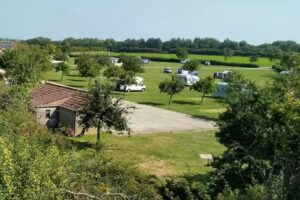
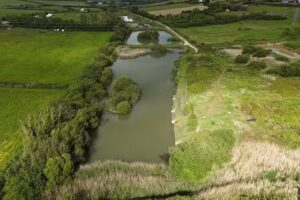
The setting itself also plays a large part in the appeal. Guests are taken to a picturesque spot close by, where the focus is on quiet banks, clear water and an unhurried pace. Rather than standing shoulder to shoulder on a crowded pier or river, groups are kept deliberately small, allowing each person the chance to cast without feeling watched or rushed. For couples or friends booking together, this creates an intimate and memorable day out. People who usually shop online for fishing equipment often comment that no amount of browsing for fish hooks, lines or lures can match the experience of actually feeling a fish take on the line in a beautiful location.
Instruction is tailored to individual needs, which is another key strength. Complete beginners are walked through the basics of grip, stance and casting rhythm, often starting on grass before moving to the water so that there is less to think about at once. More experienced anglers, including those who have spent time in big fishing stores choosing their own kit, may focus on refining casting distance, improving accuracy or reading the water more effectively. The small scale of the operation means that the guide can watch closely and adjust advice in real time, something that is rarely possible during short demonstrations in a shop or at a busy event.
In terms of value, many visitors feel they receive more than just technical tuition. Stories, local knowledge and gentle humour seem to be a constant part of the day, turning a lesson into a broader experience. People come away with an understanding of fish behaviour, seasonal changes and basic water safety, alongside practical advice about what kind of fishing tackle they might look for in future if they decide to continue. This combination of instruction and storytelling makes the experience feel rounded rather than purely instructional.
However, there are limitations that potential customers should consider. This is not a full-scale retail fishing shop, so those hoping to browse a wide selection of fishing rods, reels, lines and accessories to take home will not find the same range they would expect from a large fishing tackle store. The focus here is on guiding rather than selling, and while you may pick up tips about recommended brands or types of gear, you are not choosing from shelves of products on the day. Anglers who prefer to handle multiple models of rod or compare different spinning reels, fly lines or lures in person will still need to visit a dedicated fishing tackle shop or buy their equipment online.
Another practical consideration is availability. Because the guiding is built around one person rather than a team, spaces can be limited, particularly in the more popular months for trout and salmon fishing. Visitors who leave booking until the last moment may find that the days they want are already taken. There is also the Scottish weather to think about; wind, rain or sudden changes in conditions can affect the comfort and success of a session. While an experienced guide can adapt to weather and water levels, anyone booking should be prepared for the possibility that a day on the bank might be cool, damp or blustery rather than calm and sunny.
From a skills perspective, the experience tends to be best suited to those who are open to learning and patient with themselves. Fly fishing in particular has a rhythm that often feels unnatural at first. Guests who arrive expecting instant perfection may find the early part of the day frustrating, even with good instruction. On the other hand, people who treat the session as a chance to try something new and focus on progress rather than perfection usually leave satisfied, whether or not they land a fish. It is worth keeping in mind that no guide can guarantee a catch; wild fish, water temperature and time of year all play a role, and even the most skilled instructor cannot control these factors.
Safety and comfort are handled in a pragmatic way. Basic safety briefings, appropriate use of lifejackets where needed and sensible positioning on the bank reduce risk without making the day feel overly formal. Many guests appreciate being guided on simple but important points such as where to stand relative to others while casting, how to handle a hooked fish and how to wade safely when that is part of the session. For people used to learning about angling purely through videos or reading product descriptions for fishing tackle online, having someone physically present to demonstrate safe techniques can be invaluable.
For families, couples and small groups, the personalised nature of the experience is a major advantage. A guided session can be adjusted so that one person learns the basics while another practises more advanced casts, or so that younger participants are given extra attention to keep them engaged. There is no sense of being rushed through a rigid schedule. This flexible pace contrasts with the atmosphere in a busy angling store, where staff may only have a few minutes to answer questions before moving on to the next customer. Here, questions can be asked throughout the day, from how to choose a first fishing rod to what sort of fishing line works best for different species.
There are, of course, aspects that some potential clients might view less positively. Anyone who enjoys the social buzz of a large fishing tackle shop, with its constant flow of customers, club notices and in‑store promotions, may find a quiet day on the riverbank less stimulating. The experience is deliberately low-key, focused on the immediate surroundings rather than on brand displays or special offers. Those who prefer a more commercial environment, with opportunities to try multiple brands of spinning rods, carp fishing rigs or sea fishing tackle, may not feel this format gives them what they want.
It is also important to note that, as a small and specialised operation, information and communication depend heavily on one person. While many guests report clear answers and helpful pre‑visit advice, there is always the possibility of delays in response during particularly busy periods or when sessions are running back-to-back. Larger fishing tackle stores with multiple staff members tend to offer more constant availability for enquiries. Potential customers who value quick, shop‑style service at all hours should bear this difference in mind.
On the other hand, that same small scale allows for a level of continuity that many people appreciate. The same guide who answers your initial questions is the one who greets you in person, chooses your rod and line, and stands beside you on the bank. There is no need to repeat information to different staff members or explain your level of experience multiple times. For those who have previously felt lost in big fishing gear outlets or overwhelmed by pages of fishing tackle online, this joined‑up approach can feel reassuring and straightforward.
For newcomers considering a first step into angling, Ian Murray Loch Nagar offers a clear and comfortable route into the sport. Instead of starting with a long list of equipment from a fishing tackle shop, beginners can experience a full day on the water with everything provided, and only then decide whether they want to invest in their own fishing rod, reel and accessories. For more seasoned anglers, especially those interested in refining their fly casting or learning about local waters, the strength lies in the depth of practical knowledge and the chance to spend concentrated time with an experienced guide. While it lacks the extensive retail side of larger fishing shops, it compensates with focused, friendly and memorable days dedicated to actually fishing rather than just talking about it.