John O Gaunt’s Fishery
BackJohn O Gaunt’s Fishery is a long‑established trout venue that appeals to anglers who want consistent sport from well‑stocked lakes rather than a rough‑and‑ready multi‑species water. The focus here is firmly on fly fishing for hard‑fighting rainbow and brown trout, with many visitors describing it as their regular stillwater and a place where they have introduced friends and family to the sport over several decades.
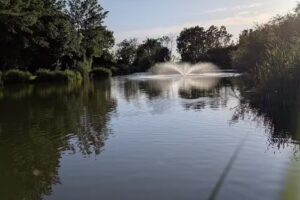
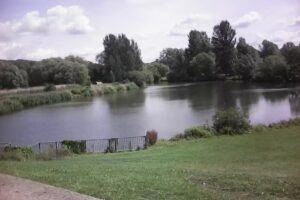
The fishery is laid out around two spring‑fed trout lakes, with gently sloping, closely cut banks that give plenty of space for casting and playing fish. The setting is peaceful and largely rural, so most of the noise you notice is from birdlife rather than traffic, and regulars mention sightings of kingfishers, red kites and other wildlife while they are on the bank. Parking is available close to the lakes and the swims are kept tidy, with grass regularly cut and little clutter to snag your back cast, which is particularly helpful if you are still building confidence with a fly rod.
As a dedicated trout fishery, John O Gaunt’s is geared towards anglers looking for quality trout fishing on a ticketed basis rather than general coarse or carp angling. Fish stocks are intentionally generous, and visitors frequently comment that the lakes are well stocked with rainbows and browns from around 2–3 lb upwards, with a good number of fish into high single and double figures. Several experienced anglers describe the water as ideal when you want a confidence‑boosting session after a few difficult days elsewhere, because takes can be regular when conditions and fly choice are favourable.
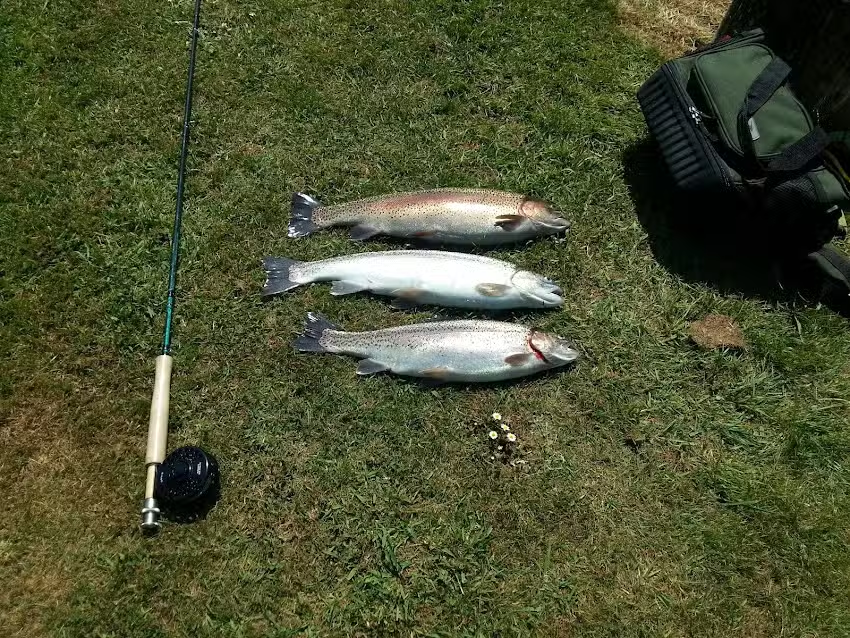
Many reviews highlight the condition of the trout, describing them as strong, healthy and hard‑fighting once hooked. Anglers report fish that run well into the backing and put a decent bend in a #5 or #6 weight rod, which suggests that the stocking policy prioritises fish that perform well on the line instead of simply adding weight. For newcomers to fly fishing, this combination of willing fish and good average size can be a major attraction; one long‑term visitor even mentions teaching friends to cast and to catch their first trout at these lakes over a period of more than thirty years.
Access to the fishery divides opinion and is one of the consistent practical criticisms. The final approach is along a rough lane and then a track, and several visitors mention that the surface is very uneven and can be harsh on low‑slung cars. While the directions are clear and it is not especially complex to find, you need to drive slowly and carefully along this last stretch, and those who own sports or very low vehicles may decide it is not ideal for them. Once on site, however, there is plenty of parking and the immediate surroundings of the lakes are generally regarded as neat and well maintained.
On the bank, the layout of the swims is designed with fly casting in mind, offering good back‑cast room around much of the water and a number of different angles to cover features such as islands, drop‑offs and spring inlets. That said, some anglers used to tree‑lined fly fishing lakes might miss the more intimate feel of small wooded pools, because the banks here are more open and functional than picturesque. For others, that lack of obstacles is precisely what they want when practising double hauls, trying new lines or bringing a newcomer who does not yet place every cast accurately.
One of the defining characteristics of John O Gaunt’s is the stocking density, which is widely described as high for a stillwater trout venue. Some experienced trout anglers praise this as making it an excellent choice for beginners or for anyone wanting a more forgiving session, because you are rarely casting over empty water. Others feel that the lakes can at times be a little too heavily stocked, preferring a more selective experience where each fish is harder earned. Whether this is a positive or a negative depends very much on your expectations; if you want an easier day targeting trout and are happy to fish where catch rates are designed to be healthy, the policy will likely suit you.
Water quality and clarity vary through the year, as they do at most trout fisheries, but there have been occasions when the larger lake has been reported as coloured following maintenance work, such as dredging carried out after summer water‑quality issues. Regulars note that the lakes are generally fed by natural springs and can be remarkably clear in settled conditions, which lends itself to sight fishing, stalking and more delicate presentations when fish cruise the margins. Visiting anglers should be prepared to adjust tactics to the visibility on the day, switching between lures, nymphs and buzzers, or using more attractor‑style patterns when the water is not crystal clear.
In terms of facilities, the fishery offers basics such as toilet provision and onsite parking, but it does not operate as a full‑service complex with café or tackle shop. Several visitors mention the absence of food and drink, so anyone planning a full day on the bank should arrive with refreshments and any terminal tackle they are likely to need. There is fly fishing tuition information connected with the fishery, making it a potential venue for those wanting to learn casting and presentation on a real fly fishing lake rather than on a casting pool.
Another practical consideration is payment, which is handled in a traditional way. The fishery does not accept card payments and expects anglers to pay in cash for their tickets, something that some visitors find inconvenient in an era when many waters and shops are cashless. A recurring theme in reviews is frustration from anglers who have driven some distance only to discover that they need cash, occasionally resulting in a wasted trip to find an ATM and then a shorter session back at the lake. For potential customers, the simple solution is to check current ticket information before travelling and to arrive with sufficient cash to cover the chosen ticket.
Ticket options follow a classic day‑ticket trout model, with structured limits on the number of fish that can be taken, which helps to manage stock levels and encourages thoughtful fishing. There are half‑day and full‑day options based on two‑fish and four‑fish limits, as well as multi‑fish tickets designed for regular visitors, so both occasional anglers and frequent customers can find a format that suits their budget and preferred length of stay. Anglers in a trout fishery environment like this often value such clarity, as it lets them plan whether they want a short sharp session or a longer, more relaxed day with the chance to move around and try different areas.
While many reviewers speak highly of the fishery as their go‑to stillwater and praise both the quality of fishing and the general upkeep, there are also consistent criticisms around interpersonal experiences with the bailiff or staff on certain days. A number of anglers describe encounters with a particularly abrupt or confrontational bailiff, using phrases that show they felt unfairly accused of poor fish care, rule‑breaking or not taking the fishing seriously enough. For some, these interactions were serious enough that they stated they would not return, even though they recognised that the water itself and the fish were of a high standard.
Other visitors, by contrast, mention helpful staff who offered advice on flies and tactics, shared local knowledge and encouraged them through the day, especially when conditions were challenging or when anglers were relatively new to fly fishing. This suggests that experiences can vary depending on who is present and how busy the fishery is, so prospective visitors should be aware that while they can expect a well‑run set of lakes, the tone on any particular day may depend on the individuals managing tickets and bank supervision. For a directory entry, it is fair to say that customer service here can range from supportive and friendly to brusque and overly strict, and that this inconsistency is one of the main points raised by those who rate the fishery less highly.
Many experienced fly anglers view John O Gaunt’s as a reliable choice when they want a productive session on stocked trout rather than the more uncertain returns of wild rivers or lightly stocked reservoirs. It is often recommended to those who are learning to cast or who want to introduce friends or younger anglers to stillwater fly fishing, because the chances of connecting with a fish are generally good and the banks are relatively forgiving for someone who is still refining their technique. However, those who prioritise a more minimalist experience with fewer anglers, ultra‑natural surroundings and very lightly stocked waters might find it less to their taste, particularly at busy times when a high density of trout and anglers can create a more commercial feel.
For anyone comparing trout lakes and looking for a venue that offers strong, well‑conditioned fish, clear rules and tidy banks, John O Gaunt’s has plenty to recommend it. Its key strengths lie in its well‑stocked spring‑fed water, good average fish size and the fact that many regulars have returned for decades to enjoy consistent fishing. Set against that are practical drawbacks, such as the rough access road, the insistence on cash payments and reports of occasionally abrasive bailiff behaviour, all of which are important factors for prospective visitors to weigh up.
Ultimately, John O Gaunt’s Fishery is best suited to anglers who value reliable fly fishing for stocked trout, are comfortable bringing their own provisions and cash, and are prepared for a traditional, sometimes old‑fashioned approach to fishery management. Those who fall into that group often speak warmly of the venue and see it as a favourite stillwater where they can enjoy a productive day with friends, family or fellow club members. Anglers who are more sensitive to the tone of bank management or who prefer highly polished visitor facilities may wish to consider these aspects carefully when deciding whether this particular fishery fits their expectations.