Bluebell Park Camping & Fishing
BackBluebell Park Camping & Fishing is a small, family-run caravan, camping and angling venue that combines simple countryside stays with an accessible set of coarse fishing lakes aimed at both beginners and regular anglers. The site sits within around 14 acres and is centred around three waters, giving visitors the chance to focus their break around relaxed sessions on the bank as much as time on the campsite itself. Guests regularly comment that the overall atmosphere is quiet and laid back, with many families choosing it as a place to unwind for a few days and let children enjoy both the outdoors and the resident animals.
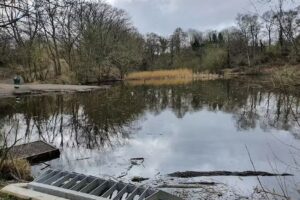
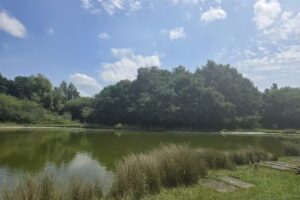
The core attraction for many visitors is the on-site fishery, which is designed as a mixed coarse venue rather than a high-pressure specimen water. There are three pools, including two main lakes and a smaller pool used by beginners and children, all stocked with a range of species such as carp, tench, roach, rudd, bream, chub and ide. For newcomers, this means there is usually some action on lighter tactics, while more experienced anglers can still target better fish in more considered sessions. Reviewers often mention that the fishing keeps teenagers and adults happily occupied for hours, making it attractive for family holidays where access to the water is a central part of the stay.
One of the distinctive positives regularly highlighted by visitors is how straightforward it is to get started with fishing, even if you have never picked up a rod before. Staff can provide simple tackle such as whips and basic rigs, and there are reports of hosts spending time showing first-timers how to feed, strike and handle fish safely. Families describe first-time coarse fishing sessions where children quickly learn to catch small carp and silvers on humble baits like maggots, which creates the kind of confidence and enthusiasm that encourages them to come back. For many would-be anglers, this kind of supported start can be more appealing than turning up cold at a larger commercial complex.
The lakes themselves are laid out with ease of access in mind, with a popular water that offers around 30 pegs and an island feature to cast to, alongside other more intimate pools. The mix of pegs suits both short pleasure trips and longer days, and visitors mention spending several hours on the smaller pond with simple set-ups and still feeling they have had good value for money. For those interested in match-style sport, the more recently landscaped lake is described as ready for club-style competition, with a good head of carp and F1s alongside the usual silvers. This layout means that, while it is not a huge complex, the site provides options for a relaxed fishing lake session or a more focused day on the pole or feeder.
On the practical side of angling, Bluebell Park makes a point of providing on-site tackle and bait sales from its reception area, which is particularly useful if you have forgotten key items or simply want to travel light. Day tickets are available for visitors, with pricing described by guests as reasonable for the time spent on the bank, especially when rods, whips and basic gear are included or available for a modest deposit. For anyone weighing up short breaks or day visits, it means you can enjoy a session on the fishing ponds without the expense of fully kitting out the whole family before you arrive.
As a campsite, Bluebell Park is deliberately kept on the smaller, friendlier side rather than operating as a large holiday park. There are caravan and motorhome pitches with electric hook-up, tent areas and an on-site shower and toilet block, plus washing-up points and a small café. Visitors frequently praise the cleanliness of the facilities, commenting that the amenities are kept well stocked and that the grounds are maintained to a high standard, with grass cut, bins emptied and paths and pegs tended. For many returning guests, this routine upkeep is one of the reasons they rebook; it allows them to concentrate on camping and carp fishing rather than worrying about basic comfort.
That said, feedback about facilities is not entirely uniform, and prospective visitors should be aware of occasional criticisms. One review describes a stay where the shower block felt cold, with lukewarm water and a wet floor that was difficult to dry because there were no mops available and no curtain to contain the spray. This contrasts with other comments praising spotless, warm showers, suggesting that the experience can vary depending on time of year, occupancy and possibly maintenance at the time of a particular stay. For campers who are especially sensitive to bathroom comfort, it may be worth checking more recent feedback before booking, as small rural sites can take time to upgrade or adjust their facilities.
Owners Sharon and Dean are consistently mentioned by name in many accounts, and their hands-on approach shapes much of the site's character. Guests describe being greeted personally on arrival, offered an orientation of the site and given guidance on safety, fishing rules and how to get the most from the facilities. In the café, several visitors note that food is cooked fresh to order, portions are generous and prices feel fair for what is served. This kind of direct involvement from the owners contributes to a sense that Bluebell Park operates more like a friendly local fishing camp than an anonymous holiday park.
Another element that sets the site apart for families is the small petting area, with goats, pigs and other animals that children can see up close. Parents comment that the animals appear well cared for and that young visitors are particularly taken with watching goats climbing and pigs coming over to greet them. Combined with the natural play area, this adds a second strand of appeal alongside the fishing lakes, meaning that children who are less interested in sitting quietly by the water still have something to enjoy. For multi-generational groups, this diversity of simple, low-tech entertainment can be a significant advantage.
In terms of surroundings, guests often describe Bluebell Park as having pleasant views and an attractive rural setting, with walks in and around the site and access to a bluebell wood at certain times of year. The countryside context is part of the appeal for many campers, particularly those arriving from more urban areas, who enjoy sitting outside their units watching wildlife and listening to birds while still being close to the fishing pools. However, not every aspect of the location is purely tranquil; one reviewer points out that the site lies close to a busy road, and traffic noise may be noticeable from some pitches. For travellers used to very remote wild camping or back-to-nature glamping, this is an important point to factor into expectations.
Access and layout bring additional trade-offs that visitors should consider honestly. The site is conveniently positioned off a main route, which makes arrival straightforward for caravans and motorhomes and provides easy access to nearby towns and attractions. At the same time, guests note that there is no immediate village centre on the doorstep, so reaching shops, pubs or other amenities usually involves a drive rather than a stroll. For travellers who prefer to park up and not move the vehicle for the duration of the stay, this relative isolation from services may feel less convenient, even though it contributes to the overall camping and coarse fishing focus.
From an angling management perspective, Bluebell Park has made choices that not everyone will interpret in the same way. For example, one review notes electric wires around parts of the fishing ponds, installed to deter otters from predating the stock. While this is a common measure at many modern carp fishing venues seeking to protect their fish, the visual impact and sense of separation from the water can feel off-putting to some guests, particularly those not familiar with current fishery management practices. Anglers who focus primarily on stock protection may see this as a positive sign of care, whereas more casual campers might wish the measures were less visible.
Another point raised in feedback is the perception of value and extra charges. While most visitors describe the camping fees, food prices and day-ticket costs as sensible and competitive compared with other small fishing lake campsites, one review expresses frustration at paying extra for electricity and feeling that charges generally were aimed more at maximising profit than guest enjoyment. This sits alongside many comments praising the owners' generosity with time and advice, illustrating how expectations about pricing can vary widely between visitors. Prospective guests who like to budget precisely may appreciate confirming what is included in the pitch fee and what attracts an additional cost before travelling.
For families and first-time anglers, Bluebell Park often performs well as a relaxed starting point into coarse fishing holidays. Children are frequently mentioned as spending most of their stay by the water or in the animal area, with older teenagers also kept entertained by consistent bites from carp and other coarse species. The blend of small size, attentive owners and straightforward facilities means that parents tend to feel comfortable letting younger ones enjoy the open space without the anonymity and bustle that can come with larger complexes. For seasoned anglers who are used to big specimen waters or heavily commercialised fishing camps, the experience here is more about steady sport, scenery and a quiet pitch than chasing record-breaking fish.
Overall, Bluebell Park Camping & Fishing presents itself as a modest but carefully maintained spot where camping, caravanning and fishing holidays sit side by side. Strengths consistently mentioned include friendly, involved owners, clean facilities for most visitors, accessible mixed-species waters and a genuinely family-friendly approach that supports newcomers to coarse fishing. On the less positive side, potential guests should be prepared for some traffic noise from the nearby road, variable experiences of the shower block, extra charges such as metered electricity and visible fishery protection measures like electric fencing. For anyone considering a stay, the picture that emerges is of a down-to-earth site where realistic expectations and an interest in simple camping and fishing lakes can translate into a satisfying short break or a regular return visit.