Totham Pit Lake
BackTotham Pit Lake is a small, low‑key fishery that appeals to anglers who value quiet surroundings and simple, traditional sessions over heavily commercialised venues. Although information available online is limited and opinions are still few, it already has the feel of a local water where regulars come for relaxed days targeting coarse species rather than chasing records. For anyone looking for a change from busy day‑ticket complexes, it can offer a more understated experience with space to think and time to work the water at your own pace.
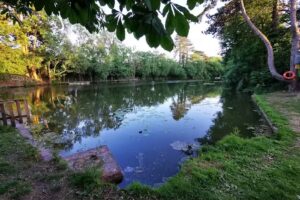
The first thing most visitors notice is the setting. The lake sits away from main roads, which helps to keep noise to a minimum and creates a sense of being tucked out of the way, even though access by car is relatively straightforward. The banks are generally natural rather than heavily engineered, so you are fishing a water that still looks like a pit rather than a manicured commercial pool. This more traditional character will appeal to anglers who prefer to set up their own comfortable peg rather than fish from identical concrete platforms.
As a venue for coarse angling, Totham Pit Lake is primarily of interest to those who enjoy carp fishing, general coarse fishing and relaxed weekend sessions. While the lake is not widely promoted as a specimen water, its type and location suggest a stock of carp, tench, bream and silver fish that can keep the float or feeder busy when conditions are right. Anglers who are serious about coarse fishing will appreciate the opportunity to work different lines and depths without feeling crowded, and the more patient carper is likely to see it as a place where careful baiting and watercraft count more than high stocking levels.
One of the most practical advantages is that access to the water is generally available throughout the day and night, giving flexibility for early starts, late finishes and full overnighters. This makes the lake attractive for those who like to arrive after work, set up a couple of rods and fish into the small hours, or for anglers who favour first light bites without worrying about gate times. For fans of night fishing, this level of access can be a significant plus, especially when compared to more regimented commercial fisheries with strict closing times.
The peaceful environment is regularly highlighted by those who have visited. With only a few ratings online so far, comments describe it as a lovely, well‑kept lake that is enjoyable to spend time around. That sense of calm matters to anglers who see a fishing trip as a chance to switch off from day‑to‑day pressure just as much as an opportunity to catch fish. In practice, this means you are more likely to hear birdlife and the sound of the water than constant bankside chatter or traffic, especially on quieter days.
Because Totham Pit Lake is not a large commercial complex, facilities are basic. There is no strong indication of on‑site tackle shop, café, permanent toilet block or dedicated parking steward, so visitors should plan as if they are going to a traditional club or syndicate water. Bringing everything you need – from bait and spare rigs to food, drinking water and basic comforts – is essential. Anglers used to fisheries with fully stocked shops and food delivered to the peg will find this a more self‑reliant experience.
From a tackle perspective, the lake suits a wide range of methods. Most anglers targeting carp will be comfortable with standard 2.75–3.00 lb test curve rods paired with reliable big‑pit or freespool reels spooled with 12–15 lb main line, which is typical for English stillwaters of this size. A simple approach with carp rods, a selection of leads and safe rigs is likely to be effective, particularly when combined with sensible baiting using boilies, pellets or well‑prepared particle baits. Those focusing on mixed bags can scale down to float rods or lighter feeder set‑ups with coarse fishing tackle such as wagglers, cage feeders and smaller hooks.
One of the strengths of a quieter water like Totham Pit Lake is the opportunity to use more subtle presentations than you might dare on heavily pressured day tickets. A carefully presented rig with fluorocarbon line or a low‑visibility hooklength, matched to sharpened hooks and balanced bait, can make a real difference when the fish have time to examine what is in front of them. Similarly, thoughtful use of spod rods or a baiting spoon to keep bait tight to the chosen area is likely to pay off over the course of a longer session.
The lake’s modest profile means that detailed information about stock levels, average sizes and specific hot spots is not always easy to find. For some anglers, this makes it more interesting and rewarding, because each trip becomes an opportunity to build your own knowledge. Keeping a simple session diary, noting wind direction, productive pegs, successful baits and feeding patterns over time, will help you get the most from the water. However, those who prefer fisheries with comprehensive catch reports, maps and published stocking lists may find the lack of data frustrating.
On the positive side, the limited number of public reviews suggests that the water has not yet suffered from the overcrowding and constant pressure that can affect more famous venues. When a lake is less busy, fish often feed more confidently and move more naturally around the pit, which can improve your chances if you are prepared to move swims or adjust tactics during a session. At the same time, a quieter venue tends to mean less bankside disturbance, fewer lines in the water and less competition for the best features.
On the negative side, limited publicity also means limited practical information for first‑time visitors. There is no wide body of shared knowledge about the best swims in different conditions, the depth contours, or exactly how the lake responds to pressure changes and seasonal patterns. Newcomers may need to invest more time in plumbing the depth, using a marker setup or watching the water for showing fish before deciding where to cast. This learning curve can be part of the appeal for committed anglers, but it may not suit those who fish only occasionally and want instant results.
Anglers thinking about visiting should also be prepared for typical bankside challenges such as uneven ground, muddy areas in wet weather and vegetation around the margins. A sturdy barrow or rucksack system, decent boots and waterproof clothing are advisable, particularly for longer sessions. While such conditions are normal for many English pits, they are worth noting for anyone used to neatly gravelled paths and level platforms.
In terms of fish care and conduct, Totham Pit Lake should be approached with the same respect as any established coarse venue. A well‑padded unhooking mat, large fish‑friendly landing net, strong weigh sling and careful handling on the bank are basic expectations for any angler targeting carp or larger coarse species. Keeping fish wet, minimising time out of the water and using antiseptic treatments on hookholds or any visible marks will help maintain the health of the stock and preserve the quality of the fishing for others.
There is no detailed public description of strict on‑site rules, but it is sensible to assume standard expectations: safe rigs, barbed or barbless hooks as appropriate, respect for other anglers’ space, no leaving rods unattended and taking all litter home. Many smaller waters rely on the goodwill and common sense of their regulars, so setting a good example is part of fishing such venues responsibly. Checking any locally posted guidance on arrival is always worthwhile.
For those who enjoy varied methods, the lake offers scope for float fishing, ledgering, surface tactics and, in warmer months, stalking along the margins if access and vegetation allow. A simple waggler set‑up fished over a bed of groundbait and particles can be effective for bream and silver fish, while a light method feeder with pellets or mini boilies could tempt both carp and tench. When conditions are right, a controller float and surface baits might also bring exciting visual takes from cruising fish.
Although Totham Pit Lake is not marketed as a specialist predator venue, anglers with an interest in pike fishing or general predator tactics should treat any such opportunities with care, using appropriate traces and tackle and following any guidance from the controlling body. As always, it is wise to confirm what species are present and whether predator fishing is permitted before planning a dedicated session with deadbaits or lures.
Given the relatively small number of public reviews, it is still early to judge the lake against more widely known fisheries, and that is both a strength and a limitation. On one hand, visitors can enjoy a sense of discovering a less talked‑about water, building their own approach and forming personal opinions. On the other, those who like to base their choice of venue on large volumes of feedback and detailed statistics may feel they lack the reassurance they are used to when picking a new fishery.
For potential visitors weighing up the pros and cons, Totham Pit Lake stands out as a modest, genuine coarse venue with a calm atmosphere, accessible bank space and flexible access for longer sessions. The lack of extensive facilities and published detail is offset by the chance to fish in quieter surroundings and enjoy a more traditional style of angling, provided you come prepared and ready to be self‑sufficient. Anglers who value peace, simple bankside setups and the challenge of working a water out for themselves are likely to find it a worthwhile addition to their list of fishing lakes to visit.