Glenquicken Farm
BackGlenquicken Farm brings together self‑catering cottages, a working farm and a dedicated trout fishery, creating a setting that appeals strongly to anglers and rural holidaymakers who want direct access to quality trout fishing and home‑produced game meats. The business operates around a 4.5‑acre fly‑only lochan stocked with hard‑fighting rainbow trout, alongside several well‑equipped cottages that overlook the surrounding countryside and water. For many visitors, this mix of comfortable accommodation, on‑site fly fishing and the atmosphere of a traditional working farm is exactly what they are seeking, though experiences do vary, particularly in terms of customer service and how demanding the fishery can be for less experienced anglers.
The core attraction for anglers is the dedicated Glenquicken Troutmasters loch, described by regulars as very well stocked with energetic fish that make every hook‑up feel earned. Visitors frequently comment on the rewarding challenge; this is not a venue where fish are handed out easily, and those who enjoy technical stillwater fly fishing often appreciate having to work at presentation, fly choice and retrieve to tempt trout that can run to double figures. The result is a fishery that suits anglers who relish the idea of fishing, rather than simply bagging their limit quickly, but this same quality means that someone seeking guaranteed easy catches might leave feeling that the water is tougher than expected.
Several anglers note positively that they have never blanked here despite the difficulty, emphasising that careful fly selection and taking advice from the owners usually pays off. On‑site guidance from knowledgeable hosts on suitable patterns and tactics is regularly mentioned as a strong point, with tips on which flies are working, how deep fish are holding and how best to fish the breeze‑blown edges of the loch. For those planning a break built around rainbow trout fishing, this can make Glenquicken Farm feel like a friendly, if sometimes demanding, base where both technique and patience are rewarded.
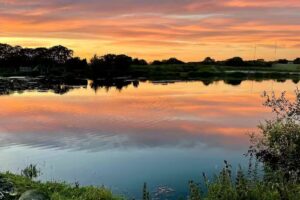
In terms of setting, the fishery sits among open countryside with views towards Cairnsmore of Fleet and the wider Galloway landscape, giving anglers and cottage guests a sense of being immersed in nature. Visitors frequently mention watching deer, hares, rabbits, pheasants, ducks, dragonflies and a variety of birds while fishing or walking the farm, with some highlighting encounters with a resident white barn owl as a particular highlight. This abundance of wildlife, combined with the quiet surroundings, makes time on the bank feel relaxed even on days when the trout are less cooperative, and can be a significant factor for families and non‑angling partners who value a peaceful environment alongside the fishing lake itself.
However, access to this setting comes with a few practical compromises that potential visitors should consider. The approach to Glenquicken follows a rough farm track that some reviewers describe as tedious and requiring a slow, careful drive, particularly for those unused to rural single‑track roads. For most drivers it is manageable with caution, but anyone expecting a smooth tarmac road right to the water’s edge may find the last stretch less comfortable, especially in poor weather or with low‑slung vehicles.
Cottages and farm experience
Glenquicken Farm offers several self‑catering units, including the Mill, the Lodge and the Stable, all converted from original farm buildings and fitted with modern conveniences. Guests describe these cottages as clean, comfortable and well maintained, with layouts that make good practical use of space, such as the upside‑down design of the Mill where the living area and kitchen sit upstairs to maximise views. Facilities like full‑size ovens and hobs, fridge freezers, washing machines with dryers, microwaves and entertainment systems make longer stays straightforward, whether guests are focused on daily sessions at the trout fishery or using the farm as a base for wider touring.
Reviews often mention the impressive views from cottage windows and patios, which look out across the loch and rolling farmland. For families, there is the added interest of seeing sheep, horses, hens, pedigree Galloway cattle and working dogs going about farm routines, offering a reassuringly authentic rural backdrop. Children and adults alike can enjoy wandering the farm tracks, watching wildlife and feeling part of a quieter pace of life that complements time spent on the water with rod in hand.
Many returning visitors place particular emphasis on the welcome they receive, describing the cottages as a second home and praising the hosts for their friendly approach and willingness to help with both practical issues and fly fishing advice. For some families, repeat stays are the norm, with the combination of comfortable accommodation, access to the loch and fresh farm produce creating a routine they look forward to each year. These experiences suggest that guests who appreciate informal, owner‑run accommodation and who communicate their needs clearly before arriving often find Glenquicken Farm a satisfying choice.
Game meats, produce and sustainability
Beyond the cottages and trout fishery, Glenquicken Farm is known for its game meats and venison, which are sold through a small on‑site outlet and form an important part of the business. Locals and visitors alike highlight the quality of the produce, with some travelling specifically to stock up on venison and other game because they trust the sourcing and taste. The fact that much of this produce comes directly from the surrounding countryside, handled on a relatively small scale, appeals strongly to customers who value traceability and a connection between landscape, wildlife management and the food on their plates.
The farm places a strong emphasis on environmental responsibility, holding certification within the Galloway and Southern Ayrshire Biosphere scheme. This includes using power from a wind turbine, low‑wattage LED lighting, spring water, careful management of the burn feeding the loch and a general focus on reducing transport and fossil fuel use. For anglers and holidaymakers increasingly conscious of the ecological impact of their hobbies, knowing that their chosen venue seeks to run a more sustainable trout fishing operation can be a meaningful positive.
That said, expectations around the farm shop need to be managed. While some customers speak highly of the meats and the ease of buying from the farm, others describe disappointing experiences, particularly when arriving primarily to purchase food rather than to fish or stay in the cottages. There have been reports of visitors feeling uncomfortable in the shop, being repeatedly instructed not to handle vacuum‑packed products, or discovering that certain items (such as ready‑to‑buy trout) were not available in the way they had assumed. Prospective customers may find it helpful to clarify availability and current arrangements in advance to avoid frustration.
Customer service and mixed experiences
Opinions about customer service at Glenquicken Farm are notably mixed, with some guests praising the friendliness and helpfulness of the owners while others report encounters that left them unwilling to return. On the positive side, many anglers and cottage users mention warm welcomes, supportive advice on flies and tactics, and a sense that the owners have genuine interest in their guests’ enjoyment of the fishery and accommodation. These experiences, often from long‑standing repeat visitors, suggest that for a good proportion of customers, the personal interaction forms a major part of the appeal.
In contrast, there are reviews describing phone conversations or shop visits where the tone felt abrupt or unwelcoming. Some prospective anglers have interpreted brief or forthright responses as rude, and at least one reviewer reports choosing to fish elsewhere after a negative call, citing both perceived attitude and pricing as reasons. Others who travelled specifically to buy produce recount feeling scolded for touching vacuum‑packed goods or finding that the owner appeared inconvenienced by their arrival, despite published opening hours.
These contrasting accounts underline that Glenquicken Farm is a small, owner‑run operation where communication style may feel very direct and where expectations on both sides play a significant role in how the interaction is received. Visitors who appreciate straightforward, no‑nonsense conversation and who understand that this is primarily a working farm with an associated trout fishery may interpret the same behaviour differently from those expecting a more formal retail or hospitality environment. For potential customers, it can be helpful to view reviews across a broad timespan and note that many of the most positive accounts come from those who return year after year for both the fishing and the cottage stays.
Fishing quality, stocking and value
From an angling perspective, Glenquicken Farm is positioned as a quality venue for dedicated fly fishing rather than a casual put‑and‑take water focused solely on numbers. The loch is reported to hold rainbow trout to impressive sizes, and there are frequent references to hard‑fighting fish that provide strong sport once hooked. For competent anglers, especially those who enjoy refining techniques and adapting to conditions, this combination of fish quality and scenic surroundings can offer excellent value over the course of a day or a short break.
Not all feedback on the fishery is positive, and there are comments suggesting that stocking levels can feel low at times or that catches are inconsistent. Critics have described the venue as under‑stocked or too difficult, especially when they compare it with other commercial fisheries where catch rates are higher and prices lower. Some also feel that costs are on the high side relative to their results, and a few have chosen alternative venues they felt were more suited to their expectations of easy trout fishing with frequent takes.
Supporters of Glenquicken counter that this is a fishery for anglers rather than simply a place to buy fish, emphasising that the challenge is part of the attraction and that scenery, wildlife and the overall experience compensate for days when the fish prove elusive. They highlight regular stocking with quality rainbow trout and argue that results improve markedly when anglers heed local advice and adapt to the conditions on the day. Potential visitors weighing up different trout fisheries may wish to consider how important steady catch rates are compared with setting, fish size and the satisfaction of earning each fish.
Who Glenquicken Farm suits best
Glenquicken Farm is likely to appeal strongly to anglers who appreciate characterful venues where stillwater trout fishing is embedded in a wider farm and countryside experience, rather than a purely commercial operation. Those who enjoy staying in self‑catering cottages, cooking with local game meats and spending unhurried days balancing time on the loch with walks around the farm will find much that aligns with their preferences. For such visitors, the combination of wildlife, landscape, fishing and the personal nature of an owner‑run business can create a memorable stay.
On the other hand, people who prioritise polished, hotel‑style service, very high catch rates or a conventional shop environment may find some aspects of Glenquicken Farm less suited to their expectations. The rough access track, the sometimes challenging trout fishing and the direct communication style will not appeal to everyone. Prospective customers may benefit from reading a range of reviews in detail, making contact in advance with specific questions and being clear about whether their primary interest is accommodation, angling or purchasing game meats.
For potential clients considering Glenquicken Farm, the overall picture is of a distinctive rural business that combines cottages, trout fishing and game production in a way that many visitors value highly, but which inevitably leads to a variety of experiences and opinions. Those who arrive with realistic expectations of a working farm environment and a challenging fishery tend to describe rewarding stays and memorable sessions on the water, while others, seeking something more conventional, may conclude that it is not the ideal match for their needs.