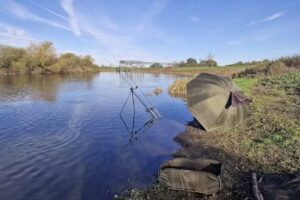
Kielder Water Fishing
BackKielder Water Fishing operates on one of the largest man-made lakes in northern England, offering bank and boat access for anglers who are prepared to work a little for their sport rather than expect instant results. It attracts those looking for a mix of stocked rainbow trout and wild brown trout in a setting that feels remote and unpressured in many areas, even though it is a managed fishery with clear rules and structured permit options. This is not a small, heavily stocked pond where anglers stand shoulder to shoulder; it is a big water where planning, reading the conditions and choosing the right tactics can make the difference between a blank day and a memorable session.
For visitors researching trout fishing venues, Kielder Water Fishing positions itself as a destination for anglers who enjoy a challenge and value time on a large reservoir over guaranteed easy catches. The fishery is managed by Northumbrian Water, with regular stocking of rainbow trout and a significant head of resident brown trout that can provide lively sport when conditions line up. Some bank areas and bays are known to hold good numbers of fish close in, especially where stocking regularly takes place, while other stretches demand long casting and careful searching. Overall, the experience leans more towards traditional reservoir sport than casual holiday fishing from a pier.
On the positive side, several anglers highlight productive days where bag limits have been reached and conditions have felt ideal for a relaxed session. One regular notes that two anglers were able to take a full eight-fish limit each, with good weather and scenic surroundings contributing to a very satisfying outing. Others describe Kielder Water Fishing as expensive but one of their favourite venues, appreciating the challenge as part of the appeal rather than a drawback. When conditions are right, and the fish are feeding, the venue can deliver the sort of day that justifies the travel, effort and cost of permits and boat hire.
The fishery supports a variety of methods, which will interest anyone searching for fly fishing and coarse fishing style techniques in larger waters, although Kielder is predominately managed as a game fishery. Fly anglers can target rainbows and browns with a broad selection of patterns, from small, traditional wet flies and Buzzers to modern lures such as Cat’s Whiskers and Fritz styles, depending on season and conditions. Reports suggest that many fish patrol the margins and drop-offs rather than the open mid-water, meaning that careful work along the banks or controlled drifts from a boat can be more effective than random casting into deep water. For those more familiar with small stillwaters, the scale of Kielder demands a shift in mindset, focusing on features, wind direction and water temperature.
Boat fishing is a key element of Kielder Water Fishing, and the fleet is generally described as well-equipped, with options designed to accommodate a range of anglers including those with limited mobility. Motorboats are available and must be pre-booked, with different pricing for midweek and weekend use, and wheelie boats are offered to improve access for disabled anglers. While this opens up large areas of the reservoir, it also comes with the responsibility to handle the craft safely in sometimes exposed conditions, as Kielder’s weather can shift quickly. Anglers who are used to smaller, sheltered waters may find the open expanses and changing wind a new experience, and this should be considered when deciding whether to hire a boat or focus on the bank.
Bank anglers are not overlooked, and Kielder Water Fishing features several named areas that have built a reputation over time for holding fish and offering manageable access. Stretches such as Mounces, Plashetts and the North Abutment are noted for productive fishing at different times of year, with some banks benefitting from regular stocking and others catering more to anglers seeking wild browns in shallower bays. Certain spots are particularly recommended for those who prefer to fish close to the shore without wading, while others reward those prepared to step in carefully and cast a little further. For visitors planning a first trip, some pre-visit research on these named areas can help to narrow down where to start, rather than arriving and feeling overwhelmed by the sheer size of the water.
The permit structure is clearly set out, with multiple options intended to suit different budgets and styles of angling, and this is a strong point for Kielder Water Fishing. Day permits are available with an eight-fish limit, and there are concessions, “credit cruncher” shorter sessions, catch-and-release sporting tickets and under-17 permits with lower bag limits, offering flexibility for families and occasional anglers. There are also add-on options such as a two-rod upgrade for an additional fee, allowing individual anglers to increase their chances or experiment with more than one setup. For those researching fishing permits online, this range of ticket types can make Kielder appealing, particularly when combined with inclusive parking and clear conditions displayed during the booking process.
Families and mixed groups may appreciate that up to two children under 17 can often fish at no extra cost when one adult buys a standard permit, which helps to keep overall costs manageable for a family day out by the water. This family-friendly approach supports the venue’s role as a broader outdoor destination, where angling is one of several activities available around the reservoir rather than a standalone, specialist-only fishery. At the same time, serious anglers will need to weigh up the relatively high permit and boat hire charges against their expectations of catch rates, as several reviewers openly describe the venue as costly compared with some smaller commercial lakes. The pricing reflects both the scale of the fishery and the infrastructure needed to manage it, but it may not suit those whose priority is inexpensive, high-density stocking.
Not every experience at Kielder Water Fishing is positive, and it is fair to acknowledge that some visitors report disappointing returns despite paying full permit fees. A number of anglers mention blank sessions, including repeat visits where nothing was caught, leading to frustration and a sense that the venue can be poor value on the wrong day. These opinions sit alongside very positive accounts from others, reinforcing the idea that Kielder is a more unpredictable and challenging reservoir compared with heavily stocked, smaller fisheries. Prospective visitors who expect consistent, easy catches might find the experience underwhelming, especially if they are not familiar with large-water tactics or do not adapt to conditions such as wind direction and light levels.
Environmental factors can also affect comfort and catch rates, and several comments highlight the impact of wind, or the lack of it, on both fishing and midges. On calm days without any breeze, midges can be particularly troublesome around the banks, making fishing uncomfortable for those who are unprepared with repellents or suitable clothing. From a fishing perspective, a gentle breeze is often beneficial on large reservoirs, helping to create a natural drift and ripple that can encourage trout to feed and make them less wary. For many anglers, paying attention to the forecast and aiming for days with some movement on the water will improve both comfort and chances of success.
In terms of tactics, local advice emphasises focusing on specific areas rather than being overwhelmed by the scale of the reservoir. When fish are rising, patterns like Buzzers in the surface film and traditional wets such as Black Spider or Bibio can work well near bays and points, while brighter mini lures and intermediate or sinking lines may be more effective when fish are holding deeper. Anglers searching for rainbow trout fishing tips will find that adapting to the cycle of stocking, water temperature and light conditions can be more important here than at smaller waters where fish are often more concentrated. Those who are willing to experiment with line densities, retrieve speeds and fly patterns are more likely to unlock the potential of the reservoir across a full season.
Accessibility is another aspect to consider. The fishery provides designated access points with parking, and there is a wheelchair-accessible entrance noted at the site, which will matter to visitors who need level access and clear paths. The availability of wheelie boats further demonstrates an effort to accommodate disabled anglers, giving them the opportunity to experience large-water boat fly fishing with appropriate support. However, not every bank is easy going; some areas involve uneven ground, variable shorelines and potentially muddy margins when water levels are low, which may be a challenge for anyone with limited mobility. Checking which zones offer the most accessible access before travelling can help ensure the day runs more smoothly.
Customer feedback reflects a broad spectrum of experiences, from “excellent” days to disappointing blanks, and potential visitors should see this diversity as part of the reality of Kielder Water Fishing rather than a contradiction. Some anglers clearly return regularly, describing the venue as one of their preferred reservoirs because it is “challenging but great fishing”, suggesting that they value the environment and the satisfaction of working for their catch. Others question whether the permit price is justified given their catch history, particularly if they have visited several times without success. This split opinion is typical of large, semi-wild reservoirs where outcomes depend heavily on timing, skill and conditions, and it underlines the importance of realistic expectations.
For anglers researching UK fishing lakes online, Kielder Water Fishing stands out as a venue that combines extensive water, structured management and a remote feel that is increasingly rare. It offers genuine scope for adventurous sessions from bank or boat, rewarding those who take the time to learn key areas, follow local advice and tailor their approach to the day. At the same time, it may feel expensive and unforgiving for casual visitors who simply want fast action and guaranteed numbers, especially if they arrive on calm, bright days when trout are reluctant to move. As with many large reservoirs, the more preparation and flexibility an angler brings, the more likely they are to find value and satisfaction in what Kielder Water Fishing has to offer.
Overall, Kielder Water Fishing provides an experience that is best suited to anglers who are comfortable with big-water conditions, variable catch rates and a permit structure that reflects the size and infrastructure of the site. Its strengths lie in its scale, variety of bank and boat options, and the mix of stocked and wild fish, supported by clear permit choices and family-friendly arrangements. Its drawbacks include cost, inconsistency in catches from one visit to another and environmental factors such as midges on windless days, which can reduce comfort and enjoyment. For those who understand these trade-offs, Kielder Water Fishing can be a rewarding choice among larger fishing reservoirs in the UK, but it is unlikely to suit every angler’s priorities or expectations.