Purple Badger camping & fishing lakes
BackPurple Badger Camping & Fishing Lakes is a small, independently run site that combines relaxed camping with access to well established coarse fishing lakes, appealing to both dedicated anglers and families looking for a low-key rural break. Set around two attractive waters, it offers the chance to stay just a few steps from the pegs, with options ranging from simple grass pitches to bell tents and shepherd’s huts, giving visitors flexibility in how close to nature or how comfortable they want their stay to be.
For anyone searching online for a peaceful spot with good carp fishing, this site frequently appears in listings because of its pair of well stocked lakes and the way camping and angling are integrated rather than treated as separate activities. Anglers can choose between a deeper coarse lake with a traditional layout of pegs and a shallower top lake with an island and larger fish, while non-anglers benefit from the same waterside setting, wildlife and open space without feeling that the whole place is given over solely to fishing.
The coarse lake dates back to the late 1970s and has been developed from an irrigation pool into a dedicated venue for pleasure anglers, now holding roach, perch, rudd, tench and smaller carp, with pegs refurbished in recent years to make access easier and more comfortable. The upper lake, added later, offers carp reportedly up to around mid-twenties in pounds, with additional pegs reserved for those staying in the shepherd’s huts, which means guests in these units can drift between a comfortable bed and their chosen swim without needing to pack a car or trolley their kit across a large commercial complex.
Facilities are more in keeping with a boutique campsite than a bare-bones day-ticket fishery, which is part of the appeal for mixed groups or families where not everyone will be on the bank from dawn to dusk. Toilet and shower areas are noted by guests for being particularly clean and thoughtfully decorated, with touches such as cosy interiors and good quality fixtures standing out against the more functional wash blocks commonly found near many fishing lakes. At the same time, anglers can still find practical extras like a nearby toilet and hot shower by the top carp lake for night sessions, reducing the need to leave tackle unattended or walk long distances in poor weather.
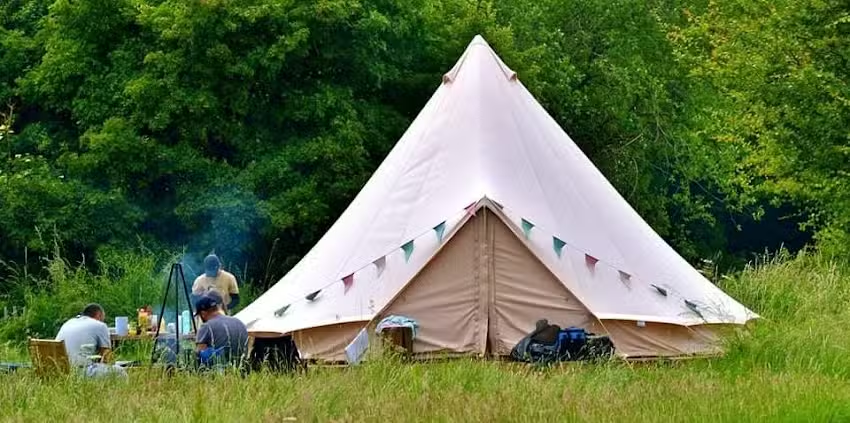
Accommodation choices are deliberately varied: traditional tent pitches in a field where campfires are permitted in designated areas, furnished and unfurnished bell tents for those who want to avoid bringing everything from home, and shepherd’s huts positioned on the lakeside for a more self-contained stay. Guests regularly highlight the shepherd’s huts as compact but well designed spaces, often mentioning comfortable beds, tasteful decor and small luxuries such as quality soap, crockery and bedlinen that give stays a more upmarket feel than basic glamping pods or cabins. For first-time campers, the furnished bell tents have been described as a reassuring bridge between camping and a holiday cottage, making it easier for families to try a weekend away without investing in a full set of gear.
From an angling perspective, one of the main strengths of Purple Badger is that fishing feels woven into the fabric of the place rather than bolted on as an afterthought. The bottom water, with its mix of silver fish and smaller carp, suits relaxed sessions, youngsters learning to fish, or those who enjoy consistent bites without necessarily chasing a personal best. The top lake, with its larger carp and tree-lined island, offers more of a target for experienced anglers wanting a more focused session, while still staying close to their partner or family on site. For many visitors, the chance to walk just a few metres from their pitch or hut to the water’s edge is central to the appeal.
Alongside the lakes and pitches, there are a number of amenities that make day-to-day camping more convenient. Communal fridges and freezers, washing up sinks in a converted outbuilding and charging points for phones and other devices are recurring positives in feedback, especially from families juggling food storage and children’s gadgets. The presence of a small coffee hut and on-site food options such as stone baked pizzas and breakfast sandwiches adds another layer, allowing guests to treat themselves without leaving the site, which can be particularly welcome after early starts on the bank or long days outside.
Social areas like the Badger’s Den and the Old Chicken Shed provide sheltered spots to sit, eat or play games when the weather is changeable, helping the site feel more like a small community than a row of anonymous pitches. Wheelbarrows available to move luggage have been singled out as a thoughtful touch that turns the sometimes tedious job of carrying gear into something more manageable and, for children, even enjoyable. These little details are often mentioned alongside compliments for the owners’ hands-on, friendly approach and their efforts to keep facilities clean and well maintained.
The atmosphere is generally described as peaceful and family friendly, with an emphasis on a relaxed environment rather than a fully serviced holiday park. Guests often point out that the size of the site helps maintain a quiet feel, and that it strikes a balance between having enough conveniences and still feeling close to nature. Evenings around the firepits, children playing safely in the field and anglers watching their rods by the water all contribute to a setting that many visitors refer to as calm and restorative rather than busy or crowded.
Events held at Purple Badger, such as small live music gatherings with drinks and pizza, demonstrate that the site also supports occasional social occasions without losing its laid-back character. Guests at these evenings have commented positively on the quality of the food, the friendliness of the hosts and the relaxed outdoor setting, noting that such events can be a highlight but are low key enough not to overwhelm campers who primarily come for the quiet and the fishing lakes. For those considering a celebration or group booking, there are examples of “pizza and pitches” parties where a combination of furnished accommodation and reserved pitches have worked well.
There are, however, certain aspects that potential visitors should be aware of, particularly if they are used to very conventional campsite facilities. Some of the toilets on site are composting or waterless models, a choice made to suit the rural setting and sustainability aims but one that not everyone finds appealing; a few guests notice odours and would prefer standard flush systems everywhere. Although there are also flushing toilets on site, the presence of alternative systems may be a drawback for those who are especially sensitive to this type of facility.
The site operates with a one tent per pitch policy and does not cater for caravans, campervans or trailer tents, which helps preserve a certain feel but reduces its suitability for people who prefer touring in their own vehicles. There are no electric hook-ups, so campers relying on mains power for large appliances will need to adapt or bring alternative arrangements, although communal charging points for smaller devices somewhat mitigate this. Rules such as no swimming in the lakes and using only on-site firewood for campfires are standard for many fishing lakes and campgrounds but are still worth noting for those planning their stay.
Another factor to consider is the site’s cancellation policy, which is relatively strict, with deposits and payments generally non-refundable except in specific circumstances where the owners themselves need to cancel. This is not unusual for small independent sites with limited capacity, but customers who like the flexibility of last-minute changes should read the terms carefully before booking. The approach reflects a small operation that relies heavily on each booking and must manage availability closely across camping, glamping and fishing.
Service from the owners is frequently praised, with many reviews referring to warm welcomes, clear communication before arrival and a sense that the team genuinely wants guests to enjoy their time on site. This personal interaction appears to extend from casual camping stays through to more organised occasions such as retirement parties or special weekends, with staff often going out of their way to accommodate specific needs. For anglers, local guidance about the lakes, peg allocation and bait recommendations can add value, especially for first-time visitors who want to make the most of the carp fishing and coarse fishing opportunities.
From the perspective of potential guests looking for a balance between camping and angling, Purple Badger stands out for its combination of small scale, scenic waters and amenities that feel considered rather than generic. It may not suit those seeking large clubhouses, swimming pools or highly structured entertainment, nor is it aimed at high-volume match fishing or heavily pressured day-ticket waters. Instead, it offers a quieter style of stay where time on the bank, evenings by the fire and simple comforts in a hut or bell tent form the core of the experience.
Overall, Purple Badger Camping & Fishing Lakes presents itself as a thoughtful choice for anyone who wants direct access to well kept fishing lakes alongside straightforward but carefully presented camping and glamping options. The strengths lie in its friendly hosts, tidy facilities, characterful accommodation and the pleasure of waking up close to water that holds a healthy stock of coarse species and decent sized carp. At the same time, the use of composting toilets in some areas, the lack of vehicle-based touring pitches, the absence of electric hook-ups and firm booking conditions mean it will best suit visitors who value atmosphere, simplicity and angling over extensive infrastructure or maximum flexibility.