Whitewell Fishing Association
BackWhitewell Fishing Association offers access to a stretch of river that appeals to anglers who value quiet, traditional game angling over commercialised venues. Situated beside the Inn at Whitewell, it provides a setting that many members and visiting anglers describe as peaceful and visually striking, with long, open runs and more intimate pockets of water where trout and grayling can be targeted with care and patience. For potential visitors, it is important to understand that this is a club-style fishery rather than a retail outlet, so the focus is on water access and fishery management rather than on selling tackle or bait.
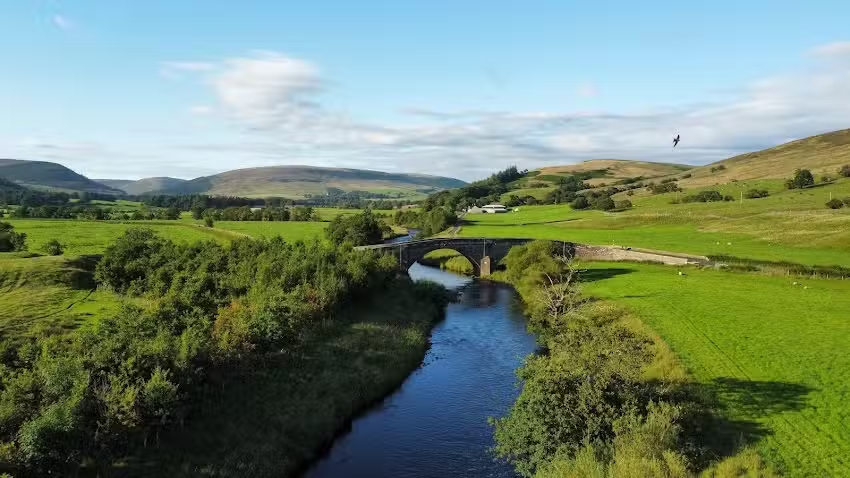
One of the main strengths regularly highlighted by visitors is the setting itself. Anglers note that the river here is framed by fields and woodland, with clear, well‑oxygenated water and varied flow, creating natural holding areas for wild fish. This makes it an attractive option for people who already have their own fishing rod, waders and basic river gear, and who want to spend unhurried time reading the water, working seams and glides, and testing their presentation skills rather than chasing heavily stocked fish. The atmosphere tends to be calm and unpressured, which is especially appealing to those who like to fish alone or in small, quiet groups.
Another positive point is the way visiting access is organised through the nearby Inn at Whitewell. Guests of the inn can arrange a day ticket for the association’s water, which makes it convenient for anglers travelling from further afield who do not want the formality or long‑term commitment of a full club membership. This arrangement allows a visitor to book a room, enjoy a meal, and then walk down to the river with their fly fishing gear, rather than having to drive between accommodation, tackle shop and fishery. For many, that joined‑up experience feels straightforward and practical.
For river anglers who prioritise technique, the water controlled by Whitewell Fishing Association can be rewarding. Fly anglers in particular find opportunities for upstream dry fly, nymphing and small streamer work across different depths and currents. Those who are comfortable carrying a compact selection of fishing lures, tippets and leaders in a vest or chest pack can cover a lot of water during a session, adapting to changes in light, flow and fish behaviour. Reports from anglers often mention satisfying sessions where careful approach, stealthy wading and correct fly choice make a noticeable difference, which will appeal to more experienced fishers who enjoy the technical side of the sport.
However, there are some limitations that potential visitors should consider. This is not a heavily promoted, beginner‑orientated venue with on‑site tuition, rental gear or a large stock of visible, easy‑to‑catch fish. Newcomers without their own equipment may find it difficult to make full use of the water, as there is no resident tackle retailer providing fishing reels, terminal tackle or clothing on the bank. Anyone planning a first visit is wise to arrive fully equipped, with suitable wading boots, safety gear and a selection of river‑appropriate flies or small fishing hooks. Those expecting a fully serviced commercial fishery with staff on hand throughout the day may feel the association offers a more self‑reliant experience.
Accessibility can also be a mixed point. The riverside paths and entries to the water are largely natural, without extensive man‑made platforms or walkways. Anglers who are confident on uneven ground will see this as part of the charm of a traditional river environment, in which access is integrated into the landscape rather than imposed upon it. Others, particularly those with restricted mobility, might find some banks and wading points demanding, especially in wet or cold conditions. Sensible use of a wading staff, appropriately studded or felt‑soled boots, and a compact yet sturdy fishing tackle bag is advisable for safety and comfort.
Because Whitewell Fishing Association is a club‑style operation, information is generally provided through its own channels rather than through a permanent on‑site office. This means prospective visitors may need to spend time checking membership details, day‑ticket arrangements, typical seasonal patterns and any specific rules before arriving. Anglers who are used to browsing a physical shop display of fishing accessories and asking staff for instant advice may instead find themselves reading online guidance or contacting the association in advance. While that extra preparation is not necessarily a drawback for organised anglers, it can feel like an additional step for those who prefer a more spontaneous trip.
On the positive side, the relatively low density of visiting anglers helps preserve a sense of space on the water. Bank and wading access is not usually crowded, so those who value privacy can often fish several runs without encountering another person. This contrasts with some commercial venues where popular pools can become congested at peak times, especially where spinning rods and float setups compete for the same spots. At Whitewell Fishing Association’s water, the emphasis is more on considerate sharing of the river among anglers with similar expectations of quiet, thoughtful fishing.
Fish stocks reflect a balance between natural recruitment and management. Anglers who visit with realistic expectations of wild or semi‑wild fish, rather than very high catch rates, are more likely to come away satisfied. Those who understand river craft—approach, casting angles, choice of fly, and how to work small fishing baits in broken water—tend to speak positively about the quality of the experience rather than just the total number of fish landed. Less experienced visitors who are primarily motivated by quantity may see this as a disadvantage, especially if they are more accustomed to commercial stillwaters where stocking is frequent and fish are less wary.
For safety‑conscious anglers, the association’s water encourages standard best practices: checking flows and weather in advance, carrying basic first aid items and ensuring that wading is within one’s comfort level. There is no on‑bank hire point for life jackets or other equipment, so visitors who normally rely on fishery‑supplied kit will need to bring their own. This self‑sufficient approach extends to carrying spare leaders, tippets and small fishing line spools in case of snagging or breakages. The benefit is that anglers learn to be prepared and organised, but it may not suit those who like the convenience of buying everything on arrival.
Customer feedback about interaction with the association and with staff linked to day‑ticket sales is generally positive, mentioning friendly and approachable contacts who have local knowledge of the water. That local insight can cover recent hatches, water clarity and the stretches that tend to fish best under particular conditions. Anglers who take the time to ask questions beforehand can often refine their choice of fishing bait, fly patterns and line weight to suit the time of year. While there is no formal teaching programme, this informal sharing of information can be very valuable for visitors trying the water for the first time.
From a practical perspective, combining a stay at the Inn at Whitewell with fishing on the association’s water appeals to anglers who like to build a short break around their hobby. Being able to walk down to the river rather than drive long distances is a clear advantage. It also makes it easier to fish shorter sessions—perhaps a few hours at first light or an evening rise—and then return to comfortable surroundings without having to transport a full set of fishing gear in and out of a vehicle. For couples or families, one person can fish while others enjoy different activities nearby, which can make the arrangement more acceptable to non‑angling companions.
On the other hand, anglers who are not staying locally may find logistics less straightforward. Parking, access points and the need to carry equipment from vehicle to river all require planning, and that can be noticeable if you are bringing heavier items such as waders, nets and a well‑stocked tackle box. The absence of a nearby specialist shop selling a full range of rods, reels, clothing and accessories means that any forgotten items will be harder to replace at short notice. For some, this will be a minor inconvenience; for others, it could shape the decision about whether this is the right venue for a first‑time trip.
Overall, Whitewell Fishing Association suits anglers who already have a basic grounding in river fishing and who appreciate natural surroundings, quieter banks and a sense of traditional club water. Those who arrive with well‑chosen fishing equipment, a flexible approach to conditions and realistic expectations about catch rates are likely to value the experience highly. Anglers in search of a commercial fishery with extensive on‑site services, stock ponds and a retail space focused on fishing tackle shop sales may find the offer here more limited. For someone deciding where to spend a day or short break on the river, these strengths and limitations are worth weighing carefully to ensure the fishery matches personal preferences and level of experience.