
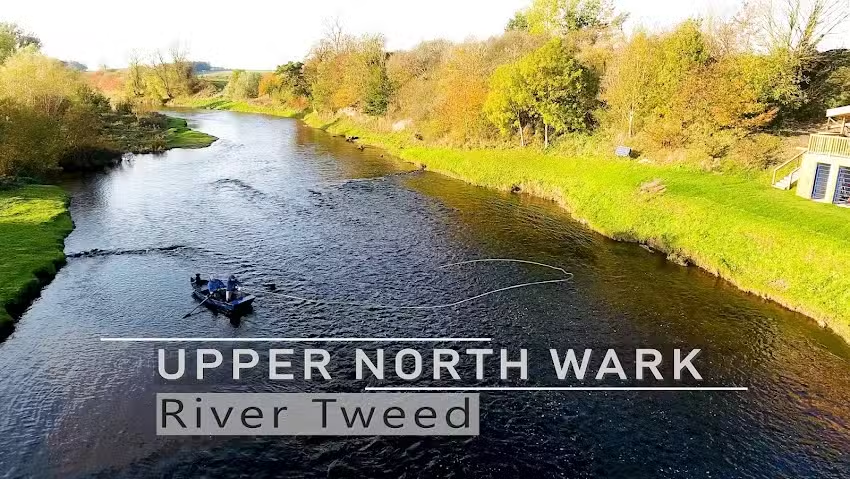
Upper North Wark Fishing
BackUpper North Wark Fishing operates from the New Fishing Hut, serving as a dedicated spot for anglers seeking access to prime beats on the River Tweed. This establishment caters to those interested in fly fishing, providing boat services and ghillie guidance on a stretch known for its salmon and trout runs. The setup includes a comfortable hut where visitors can relax between sessions, reflecting a commitment to hospitality alongside the practicalities of the sport.
Experienced Ghillies and Team Support
The ghillies at Upper North Wark Fishing stand out for their friendliness and depth of knowledge. Anglers frequently note how these guides offer practical advice on fly selection, water reading, and casting techniques tailored to the beat's conditions. Their willingness to share stories from years on the water adds a personal touch, making outings more engaging for newcomers and seasoned fishers alike. This level of support helps maximise catches when fish are active, contributing to positive outings.
Comfortable On-Site Facilities
The New Fishing Hut provides a welcoming base with comforts like hot beverages, allowing anglers to unwind after time on the river. Feedback highlights the hospitality as a key strength, with staff ensuring visitors feel looked after during their stay. Such amenities enhance the overall experience, particularly on longer days when breaks are essential for maintaining focus.
Quality of the Fishing Beat
This beat on the Upper North Wark section of the River Tweed benefits from a reputation for productive fishing, especially during prime seasons. The team of boatmen manages the water effectively, handling boats with skill to position anglers optimally. When salmon or trout are present, the combination of good water flow and expert handling often leads to rewarding sessions, as evidenced by consistent angler satisfaction.
Limitations in Consistency
Success at Upper North Wark Fishing hinges heavily on fish availability, which varies with river conditions and seasonal patterns. Some visits may yield fewer opportunities if runs are sparse, a common challenge for river beats rather than a unique failing. The operation's dependence on natural cycles means outcomes aren't guaranteed, potentially disappointing those expecting steady action regardless of external factors.
Accessibility and Booking Process
Reaching the New Fishing Hut involves travel to a rural spot in the Scottish Borders, which suits dedicated anglers but may deter casual visitors without local transport. Booking appears straightforward through standard channels, though limited feedback suggests confirming availability in advance is wise, especially for peak times. The six-day operation leaves Sundays free, aligning with traditional fishing rhythms but limiting options for weekend-only travellers.
Focus on Salmon and Trout
The beat specialises in salmon and sea trout, drawing fly fishers equipped for these species. Ghillies adapt tactics to daily hatches and water levels, recommending patterns that match local conditions. This targeted approach suits enthusiasts of Tweed fishing, where historical data shows strong returns in good years, though low water periods can test patience.
Boat Handling Expertise
A dedicated team manages boat operations, ensuring safe navigation across the beat. Their experience with the river's currents and pools allows precise positioning, vital for presenting flies effectively. Anglers appreciate this service, as it reduces the physical demands of wading and lets focus stay on casting and striking.
Hut Amenities in Detail
Beyond basic shelter, the hut offers a homely atmosphere with provisions for refreshments, fostering a sense of community among guests. Staff like Martin contribute to this by engaging visitors conversationally, blending professional guidance with casual chat. Such elements elevate a simple fishing outpost into a more rounded destination.
Seasonal Performance Variations
Performance peaks during summer and autumn runs, when Tweed salmon migrate actively. Earlier or later seasons might see slower fishing, influenced by weather and grilse numbers. Anglers report best results when beats align with fresh arrivals, underscoring the need for timing visits around migration forecasts.
Ghillie Knowledge Depth
Guides possess intimate familiarity with the beat's lies and historical catches, advising on productive pools like those near deeper runs. Their input on gear adjustments, such as leader lengths or fly sizes, proves invaluable for matching the hatch. This expertise compensates for variable fish numbers, helping extract the most from each outing.
Client Feedback Patterns
Recent accounts praise the welcoming vibe and helpfulness, with multiple visitors echoing similar sentiments over time. Older reviews reinforce the consistency of service, though sparse volume limits broader insights. Positive notes on coffee and lodge-like comforts suggest steady upkeep, appealing to those valuing service over volume.
River Tweed Context
As part of the renowned River Tweed, this beat taps into a fishery managed under strict conservation rules, promoting sustainability. Catches contribute to annual statistics tracked by bodies like the Tweed Foundation, ensuring long-term health. Anglers engaging here join a legacy of sport fishing, with beats rotated to prevent overpressure.
Potential for Improvement
Expanding feedback collection could highlight untapped areas, such as gear hire options or tailored packages for beginners. Limited visibility online might hinder reach, suggesting more detailed trip reports would attract further interest. Addressing these could broaden appeal without altering core operations.
Beat-Specific Tactics
Ghillies emphasise swinging flies across currents for salmon, shifting to dry flies for trout when surface activity rises. Boat drifts target seams where fish hold, maximising presentation angles. These methods, honed over time, yield results when conditions favour, rewarding patient anglers.
Weather Influence
Optimal conditions involve moderate flows and cloud cover, spurring fish to feed. High water can complicate boating, while drought restricts access, common Tweed challenges. Guides mitigate this by adjusting plans, maintaining safety and enjoyment.
Community Among Anglers
The hut fosters camaraderie, with shared tales enhancing the social side of fishing. Repeat visitors form connections, drawn by reliable service amid unpredictable waters. This relational aspect bolsters loyalty, setting it apart from solitary beats.
Sustainability Practices
Adherence to catch-and-release norms preserves stocks, aligning with Tweed regulations. Ghillies enforce barbless hooks and careful handling, supporting population recovery. Such responsibility ensures future viability for all users.
Cost Considerations
Day tickets reflect premium Tweed beats, justified by guidance and facilities but potentially steep for budget anglers. Value emerges through expertise, though groups might seek comparative rates elsewhere. Transparency in offerings aids informed choices.
Preparation Advice
Anglers should pack versatile rods, floating and sinking lines, and varied fly boxes suited to Tweed species. Waders and waterproofs handle variable weather, while studying beat maps previews pools. Coordinating with ghillies refines setups on arrival.
Long-Term Appeal
Consistent praise over years signals enduring quality, with the beat holding steady in a competitive fishery. Adaptability to conditions keeps it relevant, offering reliable pursuit amid nature's whims. For committed fly fishers, it delivers on promise when stars align.