Raemoir Trout Fishery
BackRaemoir Trout Fishery is a long‑established trout water that focuses on straightforward, enjoyable angling rather than flashy extras, attracting both seasoned anglers and families looking for an accessible day out. The fishery offers a mix of dedicated fly ponds and a separate bait pond, so people with different levels of experience and preferred methods can share the same venue without getting in each other’s way.
Anglers interested in traditional techniques will find several well‑maintained fly ponds stocked with hard‑fighting rainbow, brown and blue trout, supported by abundant natural food and regular restocking to keep the sport consistent. These waters are known for productive surface action with good hatches, which appeals strongly to anyone searching online for a trout fishery that rewards careful presentation and dry‑fly work rather than purely stocked‑fish catching.
The layout separates fly and bait fishing, which is helpful for managing expectations; fly anglers can focus on presentation and stalking fish in clearer water, while those using bait, often families and beginners, have their own pond designed to give a high chance of success. This division supports both catch‑and‑release and catch‑and‑keep options, with rules that emphasise fish welfare, such as de‑barbed or barbless hooks on catch‑and‑release tickets and keeping fish in the net in the water while unhooking. For visitors actively searching for a trout fishing venue that takes stock quality seriously, these measures are a positive sign.
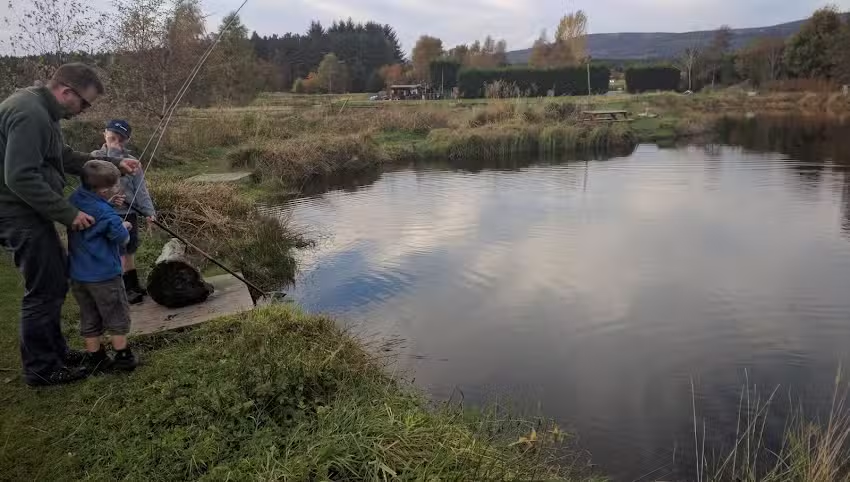
The bait pond is often described as ideal for children and first‑timers, with many visitors reporting that young anglers managed to land their very first fish there under friendly supervision. Families note that staff explain the basics, help set up rods and floats, and are willing to step in again later if the fish are not coming quickly, turning an anxious first attempt into a confidently landed trout and a lasting memory. The flip side is that the bait pond is run on a keep‑what‑you‑catch basis, so fish must be dispatched and taken home, which will suit those who want to cook their catch but may not appeal to visitors who prefer pure catch‑and‑release.
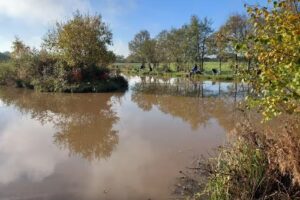
The setting itself is one of the main strengths often mentioned by visitors, who describe clear water, natural‑looking banks and a layout that blends in with the surrounding countryside rather than feeling artificial. The ponds are large enough to give anglers space, with room to cast and move around, and there are reports of local wildlife such as ospreys occasionally taking trout from the water, reinforcing the sense that this is more than just a stocked pond. For many potential customers looking online for a fly fishing venue that feels peaceful and semi‑wild rather than urban or cramped, this atmosphere is a key reason to choose Raemoir over more utilitarian waters.
Facilities are practical rather than luxurious, but they cover what most anglers actually need during a session. There is an anglers’ bothy with a wood‑burning stove and basic cooking facilities, along with toilets and simple snacks and drinks, which makes it possible to spend a full day on site without discomfort. Some visitors mention free or low‑cost hot drinks and a clean toilet as welcome touches, especially when combined with the ability to take a break and then head back out to the water.
Equipment hire is another strong point for beginners and visiting tourists who do not carry tackle with them. Rods can be hired at modest cost, and complete novices are able to turn up without any gear and still enjoy a session of bait fishing or basic trout fishing with help from staff and regulars. Several accounts stress that staff not only provide the rod, bait and net but also show people how to use them, making the fishery particularly attractive to families visiting the area or those who want to introduce children to angling without investing heavily in equipment.
The human element is often singled out as a major asset. Reviews consistently describe the owner and team as courteous, patient and genuinely interested in helping visitors catch fish and enjoy their time by the water. Beginners who arrive unsure about rigs, casting or unhooking are reported to receive practical advice, hands‑on demonstrations and gentle encouragement, and regulars often join in by suggesting suitable flies or tactics for the day. For many customers assessing different fishing lakes online, this combination of friendly staff and knowledgeable local anglers is just as important as stock levels or ticket types.
The fish themselves tend to be described as strong, fit and in good condition, helped by the natural food in the ponds and the emphasis on careful handling. Fly anglers comment on hard‑fighting rainbows and other trout that do not simply give up after being hooked, while bait anglers appreciate the near‑guaranteed chance of putting at least one fish on the bank, particularly for children. The fishery also offers the option of retaining rainbow trout for a per‑weight fee, which suits those who want to turn the day into a meal, with some visitors later mentioning baked trout or curry made from their catch.
Pricing is structured around time‑based catch‑and‑release tickets on the fly ponds, with options ranging from short sessions to full‑day visits, and separate, simpler charges for bait fishing with or without hired tackle. For regular fly anglers, the time bands provide flexibility to match the ticket to conditions, while for families the all‑day nature of the bait ticket means they can come and go within the day without feeling rushed. Visitors often remark that, once equipment hire and the likelihood of taking home fresh fish are considered, the overall cost represents good value compared with many other trout fisheries.
There are, however, some aspects that may not suit everyone. One recurring theme is that during particularly busy periods, especially around the bait pond, less considerate visitors can crowd swims or cast over others, which can detract from the otherwise relaxed feel. This is not unique to this venue, but potential customers who prefer quieter conditions might want to avoid peak times or choose longer fly sessions when the water is less pressured.
Another point occasionally raised is the structured session pattern on certain tickets, with some anglers expressing a preference for staying on the water longer if they have not yet caught, rather than working within fixed time slots. While the fishery will have operational reasons for these rules, such as managing demand and giving more people a chance to fish, it can feel restrictive to those who like to settle into one place for an extended period. Prospective visitors who value complete flexibility may wish to check which tickets best match their style of coarse fishing or trout angling before committing.
The policy on the bait pond that all fish must be dispatched and kept is also a double‑edged feature. On one hand, it avoids the welfare issues that can occur when inexperienced anglers repeatedly unhook and return deeply‑hooked fish, and it aligns with the idea of a family day out where children proudly take home their catch for dinner. On the other hand, people who are used to purely catch‑and‑release fishing lakes may find this approach less aligned with their preferences, particularly if they do not wish to handle or cook fish afterwards.
Accessibility and organisation receive broadly positive comments. The site offers parking close to the water and an accessible entrance, and staff appear accustomed to dealing with mixed‑ability groups that might include older relatives, young children and complete beginners. The grounds are generally described as tidy and well kept, which supports a sense of safety and ease of movement around the ponds. For many families comparing family fishing venues online, this combination of ease of access, clear layouts and attentive staff is a key factor.
For more experienced fly anglers, Raemoir Trout Fishery offers enough challenge and variety to justify repeat visits. Reports describe clear water where fish can be stalked, especially along margins, and surface activity that rewards careful fly choice and presentation rather than simply casting and hoping. There are also mentions of occasional tagged‑fish promotions and a mix of stock sizes, from smaller trout for steady sport to larger fish that provide memorable battles on lighter tackle.
At the same time, the venue clearly leans towards an inclusive, family‑friendly identity rather than positioning itself solely as a high‑end, technical fly fishery. The availability of bait fishing, equipment hire and relaxed seating areas means that non‑angling family members can still enjoy the surroundings while others fish. For some dedicated specialists, this inclusive atmosphere might feel less exclusive than single‑discipline fisheries, but for many customers it is precisely this blend of accessibility and quality fishing that makes Raemoir stand out.
Raemoir Trout Fishery presents itself as a well‑run, welcoming venue where the emphasis is on enjoyable, reasonably priced trout fishing in attractive surroundings, supported by staff who are willing to help and by practical facilities that meet most anglers’ needs. Its strengths lie in its friendly approach to beginners, strong family appeal, well‑kept waters and healthy fish, while potential drawbacks include busy periods on the bait pond, structured session times for some tickets and the requirement to keep all fish caught on the bait water. For potential visitors weighing up different fishing lakes and trout fisheries, it is a realistic option if the priority is a relaxed, instructive day with a genuine chance of catching fish rather than a highly exclusive sporting experience.