
Temple Trout Fisheries
BackTemple Trout Fisheries presents a compact, no-nonsense stillwater venue that appeals to anglers who value well-conditioned fish, straightforward facilities and a focus on angling rather than tourism extras. Situated in a former china clay pit, the site offers deep, clear water and two purpose-built lakes that have earned a solid reputation among regular visitors for strong, hard-fighting trout and practical amenities that support a full day on the bank. While it does not attempt to be a luxury destination, the fishery provides what many visiting and local anglers are actually seeking: reliable access to quality trout, realistic chances of a memorable catch and a personal, hands-on approach from the owner.
The core attraction of Temple Trout Fisheries is its pair of dedicated trout lakes, historically Mallard and Teal, which have been designed with stillwater sport in mind. Mallard is run as a fly-only water, stocked with rainbow and brown trout, with an emphasis on good average size and fit condition rather than sheer numbers. Teal has traditionally offered more flexibility, allowing any legal method with a mix of rainbow and wild brown trout, which appeals to those who enjoy varied approaches and perhaps fish with family members who are not fly specialists. Some current information indicates that at times only Mallard may be open for fly fishing, so visitors should be prepared for possible changes in lake availability depending on management decisions and conditions.
Angler feedback consistently highlights the quality of the trout, often described as powerful fish that provide energetic sport rather than subdued stockies. Several visitors comment that the venue produces "awesome fighting fish" and "good sport", with rainbows in particular noted for their strength on the line. The stocking policy aims for a sensible average size, commonly around one and a half to two pounds or more, with regular reports of larger specimens and references to double-figure fish being present. For many anglers, this balance between realistic bag limits and the possibility of a standout fish contributes strongly to the appeal of the fishery.
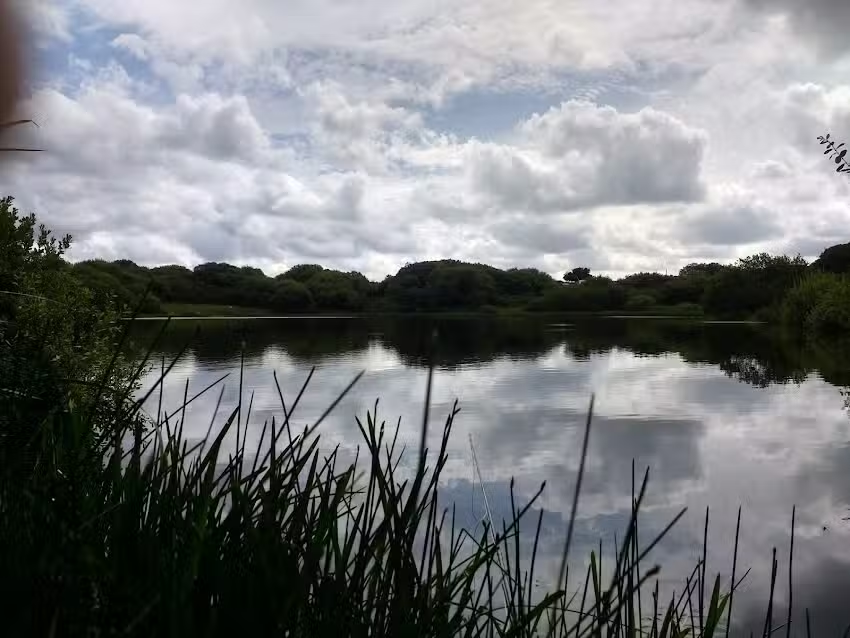
The physical setting has a slightly rugged, characterful feel that many anglers find engaging. The lakes sit within the sheltered bowl of an old clay pit, giving a sense of seclusion from busy roads and built-up areas while still being accessible by car. The water is deep and clear in places, and the remnants of the site’s industrial past, including an old beam engine pump hidden among the trees, add a distinctive backdrop. This environment can create interesting structure and underwater contours that benefit trout fishing, but it also means that not every peg offers wide open casting space, something prospective visitors should keep in mind.
Facilities are practical rather than elaborate, but they are aligned with what a typical trout angler expects from a small stillwater. There is a dedicated fishing hut on site, equipped with basic comforts such as a cooker, hot drinks and a flushing toilet, along with a small selection of flies and a modest range of tackle. This means visiting anglers who have forgotten a few essentials or want to try a new pattern are not left stranded, and the availability of hot refreshments can make a difference over a long session in changeable weather. Parking is close enough to keep gear transport manageable, which benefits those bringing multiple rods or heavier bags.
Service and personal interaction are regularly mentioned as a strong point. The owner is frequently described as friendly, approachable and generous with advice. Visiting anglers note that they receive specific, up-to-date guidance on which patterns and methods are working on the day, something especially valuable for those unfamiliar with the water. This personalised input often extends to recommendations on leader strength, depth and retrieve speed, and it helps less experienced or first-time visitors feel more confident about making the most of their session.
Beyond informal advice, Temple Trout Fisheries can also arrange tuition, with instruction available by appointment from an experienced coach. This suits beginners taking their first steps into fly fishing as well as more seasoned anglers looking to polish particular skills such as line control, casting in windy conditions or selecting appropriate flies for stillwater trout. For families or mixed-ability groups, the option to combine a few hours of professional tuition with a day ticket provides an accessible pathway into the sport without needing to commit to a full course elsewhere.
Accessibility is another point in the fishery’s favour. Although the site is set within uneven terrain, disabled access can be provided by appointment, making it possible for mobility-limited anglers to enjoy the water with some advance planning. Rod and net hire are available, which is particularly useful for holidaymakers staying nearby who may not have travelled with full equipment. This flexibility allows visitors to try the venue without a large upfront investment in gear, and it can make Temple Trout Fisheries a practical choice for those on short breaks in the region.
From a fishing tactics perspective, Temple Trout Fisheries rewards anglers who are prepared to adjust their approach to the depth and clarity of the water. Regular commentary from experienced visitors suggests that a variety of methods can be effective, from teams of nymphs and buzzers fished carefully through the water column to lures such as Humungus, Cat’s Whisker or Viva on fast-sinking lines when trout are lying deeper. On days when fish are feeding nearer the surface, traditional wet flies and even dries can be effective, but those targeting the larger fish are often advised not to under-gun their tackle and to be prepared for strong runs.
As a trout fishery rather than a broad-based leisure complex, Temple Trout Fisheries is focused almost entirely on the fishing itself, without diversions such as cafes, children’s play areas or non-angling activities. This is a positive for anglers who value a quiet, purposeful environment, but it may mean the venue is less suited to non-fishing family members expecting a full day’s entertainment on site. Visitors planning to bring companions who do not fish might want to combine their trip here with other local attractions before or after their session to make the overall day more balanced.
Customer impressions over recent years are broadly positive, with multiple anglers indicating that they make a point of returning whenever they are in the area. Many comments emphasise the consistent quality of the fish, the enjoyable challenge they provide and the helpfulness of the proprietor. Some note small touches such as a welcoming hot drink on arrival or a relaxed, friendly greeting that sets the tone for the day. For regular stillwater anglers, these seemingly minor details add up to an experience that feels personal rather than anonymous.
However, the fishery is not without limitations, and these are worth acknowledging for potential visitors seeking an honest assessment. The layout of the lakes means that some banks and pegs offer relatively limited back-cast room, with trees, banks and other features occasionally restricting longer overhead casting. For competent casters who are comfortable with roll casts, side casts or more compact techniques this is manageable, and can even add interest, but less experienced anglers accustomed to completely open banks may find certain spots demanding. Those who prefer wide, unobstructed casting areas might wish to discuss peg choice with the owner on arrival or focus on more open sections of the lakes.
Another practical consideration is the current operating model. The fishery often runs on an appointment-only basis, with a locked entrance gate and a combination or similar arrangement for access. While this system helps control angler numbers, maintain a quieter atmosphere and manage stocking more effectively, it does require visitors to plan ahead rather than arrive spontaneously. For some, especially holidaymakers with flexible plans, the need to book can feel less convenient compared with completely open, drop-in venues, though many serious anglers see it as a reasonable trade-off for more peaceful conditions and a well-managed fish stock.
The rules around catch and return, weighing catches at home and reporting results electronically are another aspect to consider. These policies are designed to support fishery management, monitor performance and ensure that stock levels remain sustainable. Nevertheless, anglers who are used to on-site weighing and immediate recording might find the process slightly less straightforward and should be prepared to follow the requested procedures. Those who prefer pure catch-and-release fishing without taking fish home may need to check the latest ticket options and rules in advance to ensure they align with their own preferences.
In terms of fly fishing opportunities, Temple Trout Fisheries stands out as a venue that offers genuine stillwater sport without leaning too heavily into highly manicured or overly commercial presentation. The water has depth and character, so anglers can work different levels from the surface down to the deeper zones, and subtle changes in wind direction, light and temperature can have a real impact on how the trout behave. This dynamic environment rewards anglers who enjoy reading the water and adapting their techniques, rather than expecting fish to be concentrated in predictable hotspots all day long.
For those who are particularly interested in targeting rainbow trout, the fishery is recognised by many visiting anglers as a reliable venue within Cornwall to pursue this species. The combination of decent average size, healthy condition and a realistic chance of contacting a heavier specimen makes it an attractive option for individuals planning a focused trout session rather than a casual few hours. At the same time, the presence of brown trout, including some with a more wild or semi-wild character, adds variety for anglers who enjoy comparing how different species respond to flies and techniques.
The presence of a fishing lake dedicated specifically to fly-only tactics also has advantages for those honing their stillwater skills. Without competition from bait or spinning methods on the fly-only water, patterns of fish behaviour can develop more naturally for fly anglers, and the advice given on site is more directly applicable to that style of angling. For newcomers to stillwater fly fishing, this can be an effective learning environment where they can observe others, ask questions and gradually build confidence without feeling overwhelmed by mixed-method pressure.
Pricing and ticket structures are positioned to reflect a dedicated trout venue, with options historically including day, half-day and evening tickets, as well as concessions and membership for regulars. While those seeking ultra-low-cost casual fishing might find cheaper coarse waters elsewhere, the ticket structure at Temple Trout Fisheries is aimed at anglers who value quality trout and controlled angler numbers over rock-bottom prices. Prospective visitors should treat their session as an investment in focused trout sport rather than a budget pastime and may find that the quality of the fish justifies the outlay.
For holidaymakers staying nearby, Temple Trout Fisheries often features in local accommodation suggestions as a worthwhile option for a targeted angling day out. It sits among a wider network of Cornish venues, including reservoirs and rivers, but positions itself clearly as a stillwater trout specialist rather than trying to cater to every possible angling style. Those planning a fishing-focused break can combine a day here with other regional waters while enjoying a different style of venue at each, with Temple providing the clay-pit stillwater element of the itinerary.
Overall, Temple Trout Fisheries offers a straightforward proposition to potential visitors: a focused, small-scale trout fishery with deep, characterful water, robust and lively trout, and a hands-on owner who takes an active interest in how anglers get on. On the positive side, there is strong feedback about fish quality, welcoming service, practical facilities and useful on-site advice, supported by the option of tuition, hire gear and pre-arranged access for those with specific needs. On the less convenient side, some pegs present restricted casting room, the appointment-based access model requires planning, and the emphasis is firmly on fishing rather than broader family entertainment. For anglers who understand these trade-offs and prioritise committed stillwater trout sport, Temple Trout Fisheries represents a realistic and appealing choice when considering where to spend a day with rod in hand.