Amlwch Breakwater | Morglawdd Amlwch
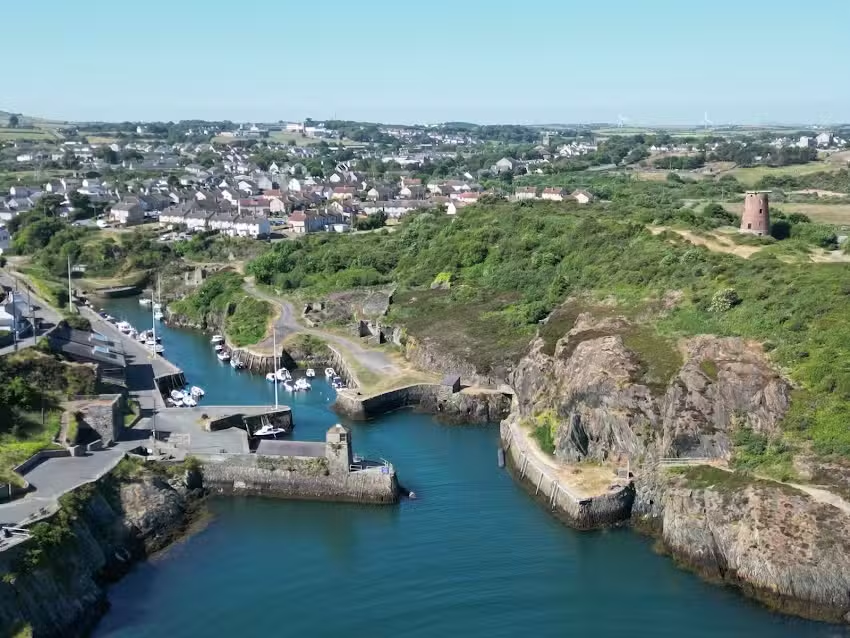
BackAmlwch Breakwater, also known as Morglawdd Amlwch, is a compact yet distinctive shore mark that has earned a steady following among sea anglers who enjoy varied, rough-ground fishing without sacrificing basic comfort and safety. Positioned at the entrance to Amlwch Harbour, the structure forms a solid platform into deep water, giving access to an impressive range of species for both casual visitors and more dedicated anglers. While not a commercial tackle shop or charter business, the breakwater behaves like an open-air venue for those seeking reliable, low-cost access to productive sea angling.
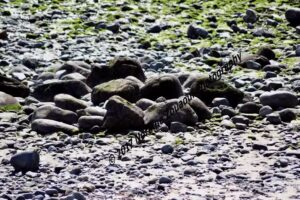
One of the main attractions for visiting anglers is the consistent reputation of Amlwch Breakwater as a mark for sea fishing over mixed and rough ground. The outer face and corners offer considerable depth, meaning baits reach fish-holding water almost immediately rather than needing long-distance casting. This depth, coupled with the broken seabed of boulders and rock, creates an ideal environment for predators such as conger eel, bull huss and dogfish, which are regularly reported by local and visiting anglers using large fish or squid baits. Off the left-hand corner there is some cleaner ground, which allows anglers to target different species with lighter tackle when heavy snagging becomes a concern.
For many, the real draw is the breakwater’s reputation as a conger fishing hotspot. Angling reports and videos frequently mention multiple conger in a session, with strap-sized fish being the most common, but with the ever-present chance of something larger. The wall, armour stones and scattered boulders offer the cover these fish prefer, and night tides with big fish baits are often favoured. However, this strength is also a weakness: those same rocks that hold the conger make the ground very unforgiving, and anglers who are not used to rough-ground tactics can quickly lose end tackle and feel frustrated. Heavier gear, rotten-bottom set-ups and careful positioning of baits are almost essential to get the best from the mark.
Despite this reputation for powerful species in deep water, Amlwch Breakwater is also widely seen as friendly to newcomers and families when conditions are calm. The top of the structure forms a broad, relatively even platform, and many anglers highlight it as a good venue for beginner sea fishing sessions. Baits simply dropped down the sides can produce plenty of smaller fish such as mini species of wrasse and pollack, giving steady bites without the need for complex casting techniques. This mix of accessibility for novices and challenge for experienced anglers is one of the breakwater’s most notable qualities and explains why it remains popular in regional sea angling circles.
Species diversity is another strong point of this venue. Angling sources note regular catches of pollack, whiting, wrasse, dogfish, plaice, dabs and codling around the harbour and breakwater area, alongside the more headline-grabbing conger and bull huss. During the warmer months, smooth hounds, gurnards and mackerel often feature, especially when the water is clear and baitfish shoals move through. Octopus and lobster are occasionally encountered by those using large baits or working crab and prawn nets down the wall. This variety makes the breakwater an appealing stop for anyone chasing a species tally, and it helps keep sessions interesting even when larger fish fail to show.
Seasonality, however, does influence results. Local commentary suggests that fishing can be relatively poor in the colder months, with shorter sessions and fewer bites compared to the livelier summer period. Anglers planning winter visits should adjust expectations, focus on traditional cold-water species such as whiting and codling, and accept that action may be slower. Those looking for more guaranteed sport usually do better from late spring through early autumn when sea angling along this stretch of coast tends to be at its peak. Matching baits to the season – ragworm, crab and prawn in warmer months, fish and squid for predators after dark – can make a noticeable difference.
From a practical perspective, access to the breakwater is relatively straightforward but not without its drawbacks. There is free parking nearby, which adds to the appeal for anglers seeking a cost-effective session, but the final stretch of road or track can be rough and narrow. Drivers often comment that the route near the water’s edge feels tight and a little unnerving, especially for those not used to coastal access roads. That said, once parked, the walk to the fishing area is short, and the proximity to the venue is appreciated by those carrying heavier rough-ground tackle and large bait boxes. The limited number of parking spaces can be a disadvantage at busier times, but reports suggest that the mark is seldom overcrowded.
On the structure itself, anglers generally find the breakwater a comfortable place to set up for long sessions. Tripods or rods rested against the wall give a stable fishing position, and there is enough room to move along the length of the mark to search out productive spots. Recent visitors have noted the addition of seating at certain points, adding another layer of comfort for longer waits between bites. The environment is usually described as clean and well looked after, with litter being comparatively rare. This reflects a sense of stewardship among regular users, which is a positive sign for any shore fishing venue.
Scenery and atmosphere are often mentioned as unexpected bonuses. Anglers speak highly of the crystal blue water on clear days, open views out to sea and the general peaceful nature of the area. For those who enjoy combining sea fishing marks with some simple coastal time, Amlwch Breakwater provides a pleasant backdrop, particularly when the weather is settled. The nearby harbour and working boats lend a sense of maritime character without overwhelming the angling experience, and visitors frequently comment on the friendliness of people working around the port.
Safety, as with any elevated structure over deep, rough water, requires sensible judgement. The breakwater is high above the sea surface, which is an advantage for casting and staying dry in moderate swell, but it also means landing larger fish can be challenging. Some anglers therefore recommend carrying a drop net if planning to target conger, bull huss or big smooth hounds, or alternatively leading fish around to nearby rocks where they can be landed at a lower level. Parents bringing children should be aware that certain areas of the inner harbour are not fenced and require close supervision, particularly if young anglers are keen to lean over the edge to watch their lines.
In terms of tactics, Amlwch Breakwater rewards a thoughtful approach rather than a casual chuck and hope. Those targeting larger species often fish into the rougher ground with strong mono or braid, sturdy hooks and abrasion-resistant rigs, accepting some tackle losses as part of the session. Anglers focusing on a wider range of species use lighter setups down the sides, sometimes incorporating small hooks and fine baits to tempt wrasse, mini pollack and other smaller fish. Ragworm is often highlighted as a particularly productive bait here, working well for a broad cross-section of species, while fish and squid baits come into their own after dark or when specifically aiming for predators.
For visitors planning a first trip, it is worth noting that the breakwater is influenced by tide and weather, and the exposed end can feel very different to the more sheltered harbour side. Checking forecasts, avoiding heavy seas that can send waves across the structure and wearing appropriate footwear all help to make a session more enjoyable and secure. Because the water is deep close in, anglers do not need to cast far to be effective, making this an attractive option for those still developing their casting technique. This combination of reachable depth, rough structure and relatively easy fishing positions is one of the reasons Amlwch Breakwater features regularly in regional discussions of UK sea fishing venues.
From a customer’s point of view, the strengths of Amlwch Breakwater lie in its free access, scenic setting, broad species list and the balance it strikes between beginner-friendly features and more demanding rough-ground opportunities. On the less positive side, the rough approach road, limited parking, potential tackle losses and seasonal drop-off in winter sport can all be minor frustrations. It is not a commercial service with staff, facilities or on-site amenities, so visitors need to come prepared with their own equipment, bait and safety awareness. For anglers who understand these limitations and arrive with suitable gear, Amlwch Breakwater offers a distinctive, low-cost and often productive venue that holds genuine appeal within the broader landscape of Welsh sea fishing.