Belper & District Angling Club
BackBelper & District Angling Club operates as a members’ organisation rather than a conventional tackle shop, but for many anglers it fulfils a similar role to a specialist fishing club where the focus is firmly on bank time, fish quality and well-managed waters. Set on Wyver Lane in Belper, the club gives anglers access to a long stretch of the River Derwent alongside the stillwater of Wyver Lane Pond, creating a blend of river and lake opportunities that will appeal to coarse and pleasure anglers looking for variety throughout the year. Instead of selling rows of rods and reels, the value here lies in the well-kept venues, the work of the committee and bailiffs, and the sense of community among members who want reliable, consistent angling rather than a one-off day out.
For anyone used to browsing a conventional fishing tackle shop, the first difference is obvious: Belper & District Angling Club is about access, not aisles. Anglers join to fish, and the waters are described by regulars as a solid mixed fishery with a reputation for hard-fighting carp, quality silver fish and a good head of supporting species. Wyver Lane Pond offers around 25 permanent pegs plus several pegs close to the car park designed with disabled access in mind, which is a practical advantage for anglers with limited mobility or for those who prefer not to carry heavy gear long distances. This focus on access, paths and peg layout reflects the ongoing work of the committee and volunteers, who have put in many hours to keep banks fishable and pegs comfortable for long sessions.
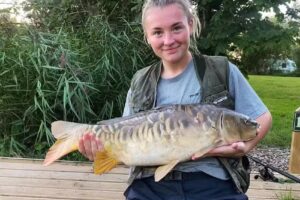
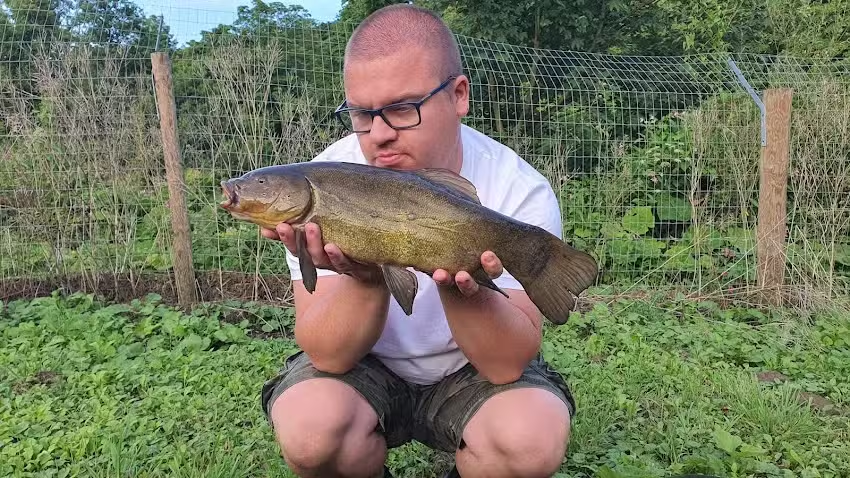
Wyver Lane Pond itself has built a strong identity as a mixed coarse water where most anglers will find something that suits their style. Reports mention plentiful roach and skimmers for those who enjoy silver-fish sport on light gear, with tench present to nearly six pounds for early-morning or evening float sessions. Carp anglers are also catered for, with fish running into the low twenties and a larger carp reportedly touching around 24 lb, giving a realistic chance of a personal best without the pressured, crowded feel that some commercial venues can have. For pleasure anglers, this blend of species means that a simple waggler or feeder approach can produce busy days with a mix of bites, while more focused specimen tactics can be used if you want to target the bigger residents.
The club’s river fishing is a major attraction in its own right. Belper & District Angling Club controls a long stretch of the River Derwent, from the Ambergate area downstream to Milford, and this length can be fished on a day-ticket basis when bought in advance. This makes it more accessible than some syndicate-controlled rivers and allows visiting anglers to experience a section that is regarded as a classic mixed river. Trout and grayling share the water with coarse species such as chub, perch, bream, dace, roach and barbel, meaning that both traditional coarse methods and more game-oriented techniques have a place. For those used to commercial pools, fishing a natural river like this can feel more demanding, but the reward is a more varied and often more memorable experience.
From the perspective of someone considering joining, the club’s strengths lie in its organisation and the way members talk about the venue. Feedback from long‑term anglers mentions that the waters are well managed, the surroundings are pleasant and there is a clear sense that the committee and members put in continuous work to improve banks, paths and pegs. Comments highlight that disability access has been carefully considered, with pegs near the car park and easier approaches, which is far from universal among angling venues. For many potential members, this attention to practical details is as important as fish size, especially for older anglers or those who struggle with uneven terrain.
In terms of the angling itself, Belper & District Angling Club would suit a broad range of approaches. Coarse anglers can use standard float or feeder tactics to put together bags of roach and skimmers on Wyver Lane Pond, while targeting tench and carp with heavier lines, method feeders or margin rigs during warmer months. On the River Derwent, trotting tactics, link-ledgering or more modern barbel rigs all have a place, and anglers who enjoy mobile fishing will appreciate the amount of bank available. Regulars often refer to it as a decent mixed fishery with plenty of potential on the river, which suggests that there is still room for exploration, new swims and different methods rather than every peg being fished in the same way.
Where the club differs from a retail-focused fishing shop is in the absence of an in-house tackle counter or staff selling equipment on-site. Anglers will need to arrive self‑sufficient, with their own rods, reels, bait and end tackle, sourced from their preferred fishing tackle suppliers or online. For some, this is not a drawback at all, particularly local anglers who already have a favourite angling shop for bait and rigs. However, newcomers expecting facilities like café services, bait fridges or tackle hire on the bank may find that this is a more traditional club model: the focus is on water, not retail. This makes Belper & District Angling Club better suited to anglers who already have their own gear and some experience, rather than complete beginners who might rely heavily on on‑site advice and sales.
One aspect that tends to be appreciated, especially in times of rising costs, is the value for money. Membership fees have been quoted as offering daytime access across a long season, with an optional paid upgrade for night fishing on Wyver Lane Pond. Night tickets are managed through a waiting list, which can be seen as both a strength and a limitation. On the positive side, it helps prevent overcrowding and maintains a quieter, safer environment for night sessions, especially when larger carp and tench are the main targets. On the downside, anglers who want immediate night access may find the waiting process frustrating, and it introduces an extra layer of planning if you prefer impromptu overnight trips.
The club’s rules and structure are typical of a well‑run coarse-fishing organisation. Bailiffs are present on the waters, and several reviewers mention that they and the members are generally pleasant and helpful. This creates a safer atmosphere and tends to deter poor behaviour, littering and rule‑breaking. Visitors who are used to more relaxed commercial day-ticket venues might initially find the formality a little stricter, but for many regulars this structure is exactly what keeps the banks tidy and the fishing consistent. For parents bringing younger anglers, or for those concerned about sharing a venue with considerate fellow members, this is a notable advantage.
Looking at the catches and comments over time, Belper & District Angling Club appears to have a steady performance rather than boom‑and‑bust reports. Anglers speak of “lots of roach” and a “good head of carp of low double size”, which points towards sustainable stocking levels and regular maintenance rather than a one-off stocking event. The presence of multiple species in both the pond and the river encourages anglers to adjust tactics through the seasons: in colder months, silver fish and grayling come to the fore, while in summer, carp, barbel and tench become more active. This seasonal rhythm suits anglers who like to keep learning and adapting instead of repeating the same method at a heavily stocked commercial fishery.
For those comparing Belper & District Angling Club with a dedicated fishing tackle shop or online fishing store, it is important to be clear about what is being offered. This is a club where your subscription buys you access to water, not equipment. If you are the type of angler who enjoys browsing walls of lures and racks of rods, you will still need to visit a separate fishing equipment retailer for that experience. However, if your main priority is having a reliable place to fish, with mixed species, scenic surroundings and a friendly membership, then the club fills that need in a way that a retail outlet never can. In practice, many local anglers will combine the two: they buy tackle from their favourite shop and then put it to use at Wyver Lane Pond or on the Derwent.
On the critical side, potential members should be aware of a few limitations. First, as with many clubs, information can be less centralised than at a commercial venue. Newcomers might need to spend time on the club’s website, social media or word of mouth to fully understand rules, ticket arrangements and best swims. Second, the natural nature of the river means that conditions such as water level, colour and weed growth will strongly influence how easy or difficult the fishing feels, which may be challenging for anglers who are used to highly controlled stillwaters. Third, the absence of on‑site retail or café facilities means that long sessions require planning for food, bait and other essentials before you arrive.
Despite these caveats, Belper & District Angling Club stands out as a strong option for coarse and pleasure anglers who value a balance between stillwater and river opportunities, a friendly and structured club environment, and waters that reward thoughtful fishing. The combination of Wyver Lane Pond’s accessible pegs and the Derwent’s flowing water offers more variety than many single‑water clubs, and the reports of good fish, from roach and skimmers to tench, carp, trout and barbel, show that there is something here for a range of angling interests. For someone looking for a place to make regular trips, refine their methods and enjoy well‑kept surroundings rather than focus on on‑site retail, Belper & District Angling Club is likely to hold long‑term appeal.