
Bickton Estate Fly Fishing Club
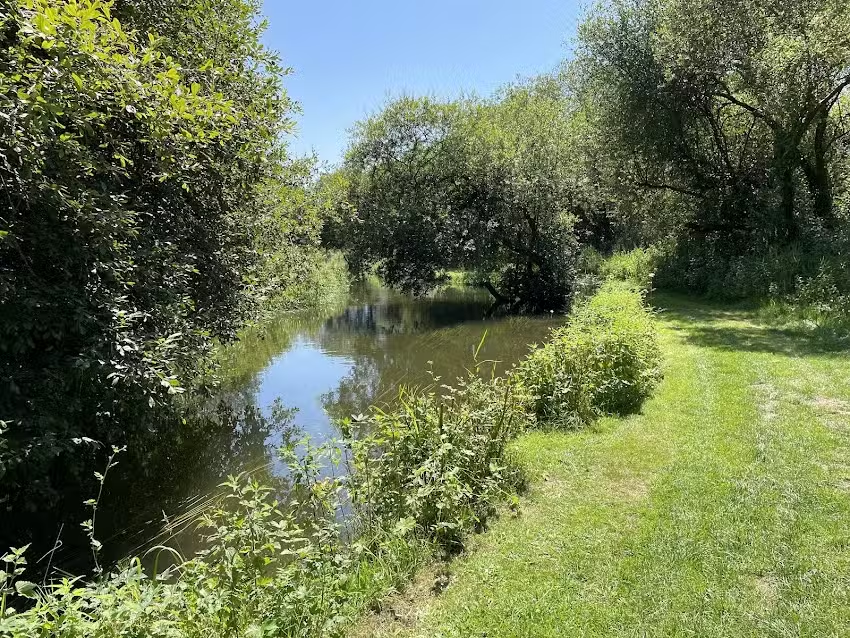
BackThe Bickton Estate Fly Fishing Club stands as a dedicated venue for enthusiasts of fly fishing, offering access to well-maintained waters on the Bickton Estate in Hampshire. Anglers drawn to fly fishing lakes and rivers find here a setting shaped by the estate's natural landscape, where the River Avon and associated beats provide opportunities for casting lines amid serene surroundings. Visitors often note the tranquil atmosphere, which allows for focused fishing sessions away from urban distractions, making it appealing for those seeking peaceful fly fishing experiences.
Facilities and Water Quality
The club's waters benefit from the estate's management, ensuring that beats are stocked with brown trout and rainbow trout suited to fly fishing techniques. Reports from anglers highlight consistent fish populations, with catches varying by season—spring and autumn proving particularly productive due to natural spawning cycles. The lakes and river sections feature clear, flowing water ideal for dry fly and nymph fishing, though some feedback points to occasional weed growth that can challenge presentations during summer months. Maintenance efforts keep the beats accessible, with gravel paths and basic amenities supporting day tickets and membership holders alike.
Day tickets allow newcomers to test the waters without long-term commitment, a practical entry for fly fishing beginners or those exploring Hampshire options. Membership options cater to regulars, providing priority booking for prime beats. The estate's commitment to catch-and-release policies in certain areas promotes sustainability, appealing to conservation-minded anglers who value long-term health of fly fishing rivers.
Fishing Opportunities and Techniques
Fly fishing clubs like this one thrive on variety, and Bickton delivers with beats ranging from fast riffles to slower glides. Dry fly fishing shines on warmer days when hatches of olives and sedges bring trout to the surface, rewarding precise casting. Nymphing proves effective in deeper pools, where weighted flies mimic subsurface prey. Anglers report success with patterns like pheasant tail nymphs and Adams dries, adapted to local conditions. However, wind exposure on open sections can complicate delicate presentations, a common gripe among precision casters.
- Prime beats along the River Avon yield larger brown trout, often exceeding 3 pounds.
- Rainbow stockings supplement wild fish, ensuring action for all skill levels.
- Seasonal hatches support matching the hatch tactics central to fly fishing.
Evening fishing sessions, when permitted, offer solitude and heightened trout activity, though limited lighting and access points sometimes restrict late arrivals. For fly fishing enthusiasts, the club's position on private estate land minimises external disturbances, fostering immersion in the sport.
Strengths for Anglers
Tranquillity emerges as a standout feature, with the club's secluded beats providing a respite that enhances concentration. The natural beauty of the Hampshire countryside frames each outing, with overhanging trees and wildlife adding to the allure without overwhelming the fishing focus. Responsive management addresses user concerns promptly, from water level adjustments after rains to beat rotations that prevent overfishing. Those pursuing fly fishing holidays in the UK appreciate the club's reliability, as it forms part of broader angling circuits in the region.
Accessibility for vehicles eases gear transport, vital for hauling rods, reels, and waders to remote beats. The variety of water types accommodates different styles—streamers for aggressive takes in faster water, or finesse flies in sheltered bays. Positive accounts emphasise friendly interactions with fellow members, creating a community feel rare in commercial fly fishing venues.
Challenges and Areas for Improvement
Despite its charms, the club faces hurdles that potential visitors should weigh. Limited public awareness stems from its estate-based, low-profile operation, making bookings trickier for first-timers reliant on online details. Sparse online reviews—mostly from regulars—leave newcomers uncertain about current conditions, with only a handful praising the peacefulness while hinting at variability in fish activity.
Water levels fluctuate with rainfall, occasionally rendering beats unfishable during wet periods common in southern England. Weed proliferation in warmer weather demands specialised tactics or patience, frustrating those expecting pristine conditions. Infrastructure remains basic; expect few on-site comforts beyond parking and loos, which suits purists but deters families or novices wanting more support. Reports mention occasional overcrowding on popular beats during peak weekends, diluting the solitude that draws many to fly fishing clubs.
- Booking processes could streamline for better availability checks.
- Enhanced signage for beat boundaries aids newcomers.
- Stocking transparency on trout sizes would set realistic expectations.
Seasonal Performance and Events
Spring brings vibrant hatches, positioning the club as a hotspot for fly fishing lakes aficionados targeting rising fish. Summer tests endurance with warmer waters slowing trout metabolism, though early mornings yield results. Autumn revives action with aggressive feeding pre-winter, while winter offers grayling for hardy souls. The estate occasionally hosts casting clinics or guided days, boosting skills for fly fishing beginners, though these fill quickly.
Integration with local angling networks provides tips on hatches and flies, enriching visits. Sustainability shines through barbless hook mandates and habitat enhancements like tree planting along banks, safeguarding future fly fishing experiences.
Community and Long-Term Appeal
For dedicated anglers, the club's membership fosters belonging, with informal gatherings exchanging flies and tales. Its estate roots ensure stability, less prone to commercial pressures affecting public fisheries. Yet, expansion in marketing could broaden appeal, drawing more diverse anglers to share the beats.
Competitive elements, like informal catch logs, motivate improvement without dominating the ethos. Women and younger participants increasingly join, diversifying the crowd historically male-dominated in UK fly fishing.
Practical Considerations for Visitors
Gear up with 4- to 6-weight rods for versatility across beats. Waders prove essential for wading deeper sections safely. Local fly shops stock suitable patterns, complementing self-tied flies. Weather checks are crucial, as Hampshire's variable climate impacts outings. Permits require advance securing, prioritising preparation.
In essence, the Bickton Estate Fly Fishing Club delivers authentic fly fishing amid Hampshire's rivers and lakes, balancing natural rewards with manageable drawbacks. Anglers valuing tranquillity and tradition find much to commend, while those seeking frills may look elsewhere. Its role in the UK's fly fishing scene endures through committed stewardship.
