Big Billinge
BackBig Billinge is a mature stillwater managed by Northwich Anglers Association, known among local members as a challenging yet rewarding venue rather than an easy commercial pool.
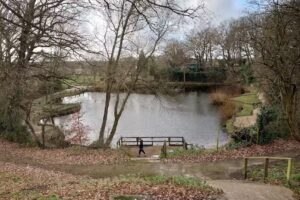
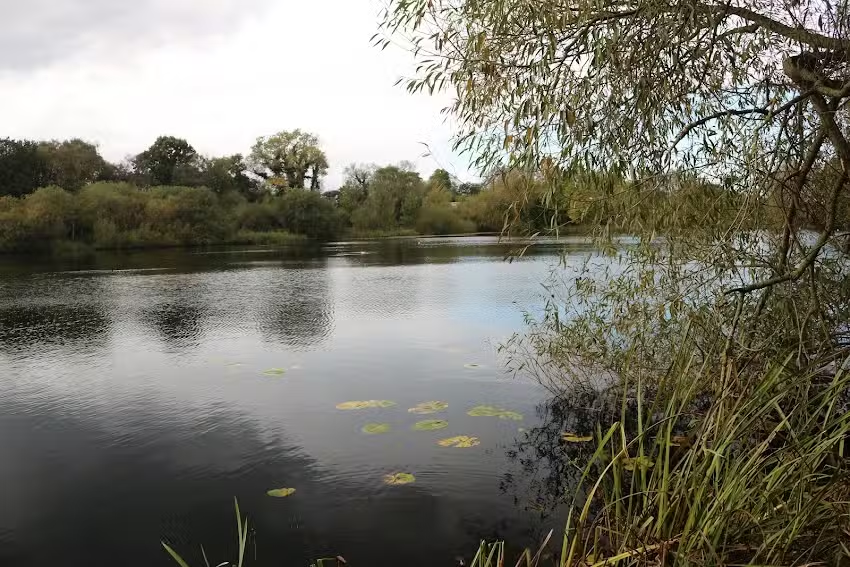
The setting is one of the main reasons many anglers rate Big Billinge so highly. The lake sits on one of Cheshire’s largest reed beds, which gives it a secluded, almost enclosed feel, with dense marginal cover, birdlife and relatively little disturbance from non‑angling visitors. Regulars describe it as tranquil, with grebes, herons, coots, gulls and even kingfishers frequently seen around the pegs, so anyone who values peace and wildlife alongside their sessions is likely to appreciate the atmosphere here.
From a practical standpoint, Big Billinge offers around 25 well‑spaced pegs, many of which are suitable for longer sessions with bivvies, so it clearly caters to anglers who like settling in for extended stays rather than short, after‑work trips. The stages are the designated fishing spots and members are expected to fish from them rather than directly off the bank, which helps to protect the bankside environment and keep access consistent for everyone.
In terms of species, Big Billinge is regarded as one of the region’s notable big‑fish venues, particularly for specimen carp, tench and bream. The water holds a healthy stock of common and mirror carp, supported by a stocking policy focused on quality fish with good growth potential. Reports mention carp that continue to push on in weight as they mature, giving patient anglers a realistic chance of landing notable fish rather than just small, heavily pressured stockies.
Alongside carp, the lake is also known for large tench and bream, with fish approaching and exceeding double figures, which makes it attractive to dedicated specimen hunters who enjoy varied targets. For those who prefer variety over specialising, there are also roach, rudd, perch, eels and pike present, including pike over twenty pounds that have been witnessed and photographed by visiting predator anglers.
Depths at Big Billinge range from around 18 feet along the road bank down to shallows of about 2 feet at the far end, with extensive weed growth in many areas. This structure creates numerous features to target, but it also contributes to the lake’s reputation for being technically demanding. Weed beds, reed lines and depth changes reward careful feature finding, accurate casting and thoughtful bait presentation, so anglers who enjoy watercraft and problem‑solving are often drawn to the venue.
One of the most frequently mentioned aspects in member comments is that the fishing can be hard, particularly for newcomers who are used to heavily stocked commercials. Several anglers note that bites are far from guaranteed; however, those who put in the time and effort can be rewarded with memorable fish and satisfying captures, which is part of the appeal for many specimen‑oriented anglers.
Big Billinge operates under a clear set of rules designed to protect the fish and maintain a fair, safe environment. A maximum of two rods is allowed on this water, which helps to prevent pegs from being over‑dominated and reduces line pressure through the lake. The association insists on unhooking mats for anyone targeting carp, pike or other large fish, and expects each angler to have a landing net that is appropriately sized for their quarry, reinforcing a culture of fish care.
Night fishing is available, but only for members who hold the appropriate permit, and is limited to specific stages labelled for night use rather than the roadside pegs. Session length is also capped: anglers may fish for up to 48 hours at a time before vacating the fishery, which prevents individual anglers from monopolising the most productive swims and gives other members a fair chance to access them. There are also restrictions on methods, such as no wading without bailiff permission, no floating baits and no spodding, with loose feed, swimfeeders, PVA and stringers encouraged instead.
For predator anglers, Big Billinge offers a credible venue for specimen pike, with past captures reported over the mid‑twenties and anecdotal mentions of larger fish seen cruising the margins. Coaching sessions and events have been organised in the past, focusing on safe pike handling and effective predator tactics, which reflects positively on the club’s commitment to education and responsible angling. These occasional organised days can add value for those looking to improve their skills, although they are usually limited to association or club members and need pre‑booking.
On the positive side, many members highlight the sense of seclusion and the strong presence of wildlife as a major draw. For anglers who want more than just numbers of fish, the combination of a scenic setting, quieter banks and the chance of genuinely big specimens makes Big Billinge stand out against more commercialised, high‑turnover day‑ticket waters. The well‑spaced pegs, night fishing options and clear structure of rules mean that those who do secure membership can plan serious sessions with confidence.
However, potential visitors should also be aware of aspects that may be less convenient. Big Billinge is a club water run by Northwich Anglers Association, and there are no casual day tickets available, so access is limited to members and does require committing to membership fees and conditions. For anglers travelling from further afield or those who prefer spontaneous short visits, this can be a drawback compared with open day‑ticket venues where you can simply turn up and pay on the bank.
The close season on this water is another factor to consider. Big Billinge is closed between mid‑March and mid‑June each year, in line with a traditional pattern that gives the fish time to spawn and recover. While many anglers support this as a conservation measure, it does reduce the number of weeks available to fish the venue, especially for those whose free time falls mainly in spring.
The nature of the fishing itself is also not suited to everyone. Several anglers describe the water as hard, with long periods between bites and a need for careful planning, accurate rigs and patience. Those looking for quick action, beginner‑friendly conditions or regular catch reports of double‑figure bags might find Big Billinge frustrating, especially in colder months or during periods when the weed is particularly heavy.
Weed growth, while beneficial for water quality and fish habitat, can complicate presentations and make some swims challenging at certain times of year. Anglers who are less experienced in dealing with weed or who rely on simple, straight‑down‑the‑middle tactics may struggle until they adapt. On the other hand, those who are comfortable fishing over or alongside weed, using appropriate rigs and strong tackle, may see it as an opportunity rather than a problem.
Carp anglers who enjoy long‑stay sessions will appreciate the bivvy‑friendly stages and the potential for sizeable fish, but they must also accept restrictions such as the two‑rod limit, the ban on spodding and floating baits, and the need to vacate after 48 hours. These rules promote fair use and fish safety, yet they may feel restrictive to anglers used to more liberal commercial venues that allow heavier baiting or longer stays.
Predator anglers targeting pike likewise need to understand that Big Billinge is not an intensively stocked, high‑turnover predator water. The pike present are capable of impressive sizes, but they are part of a natural, balanced population, so sessions can be hit and miss, with the best results often at first light or dusk and in carefully chosen areas of the lake. This suits anglers who enjoy building up a picture of the water over time rather than expecting consistent action on every visit.
From the perspective of coarse anglers looking beyond carp, the presence of quality tench, bream, roach and rudd offers solid potential for traditional specimen fishing with float or feeder tactics. The reed‑lined margins and varying depths give ample opportunity to target different species using a range of methods, although, again, this is not a venue where bags of fish come easily; patience and careful feeding regimes tend to be needed.
Overall, Big Billinge is best suited to anglers who value challenge, atmosphere and specimen potential more than sheer numbers of fish. It rewards preparation, thoughtful bait choice and a willingness to learn the nuances of the water and its fish behaviour throughout the year. For those prepared to work within the club structure and rules, it can provide some genuinely memorable captures and quietly satisfying sessions away from the busier, more commercial circuit.
Who Big Billinge suits best
Anglers who will get the most out of Big Billinge tend to fall into a few broad groups. Specimen carp anglers looking for a more natural, less pressured environment than many day‑ticket venues will appreciate the combination of reed beds, depth variation and low‑density big fish. Coarse anglers who enjoy targeting double‑figure tench or bream with thoughtful feeder and float tactics will also find the venue appealing.
Dedicated predator anglers willing to put in early starts and late finishes can benefit from the pike potential, especially around features and during quieter periods. Finally, anglers who place a high value on tranquillity, wildlife and a traditional club‑water feel, and who are comfortable with restrictions such as close seasons and member‑only access, are likely to see Big Billinge as a worthwhile long‑term choice.
Key strengths
- Scenic, reed‑fringed setting with abundant wildlife and a peaceful atmosphere.
- Strong specimen potential for carp, tench, bream and pike, with credible big‑fish captures reported.
- Well‑spaced pegs and bivvy‑friendly stages suited to serious sessions.
- Clear rules that emphasise fish care, fairness and controlled pressure on the water.
- Club‑water character that appeals to anglers looking for a more traditional, less commercialised environment.
Points to consider
- Access is limited to association members, with no casual day tickets.
- There is a defined close season that removes several prime spring weeks from the fishing calendar.
- The fishing is generally challenging, with weed, clear water and sometimes cautious fish, so it is not ideal for beginners seeking quick results.
- Method and session restrictions, such as two‑rod limits and bans on spodding and floating baits, may feel restrictive to some anglers used to more open rules.
For anglers searching for a serious venue with real specimen potential rather than a high‑volume match‑style water, Big Billinge offers a compelling balance of challenge, atmosphere and big‑fish promise. Those who approach it with realistic expectations, solid tackle and a willingness to learn its moods are likely to find it a rewarding addition to their angling.