
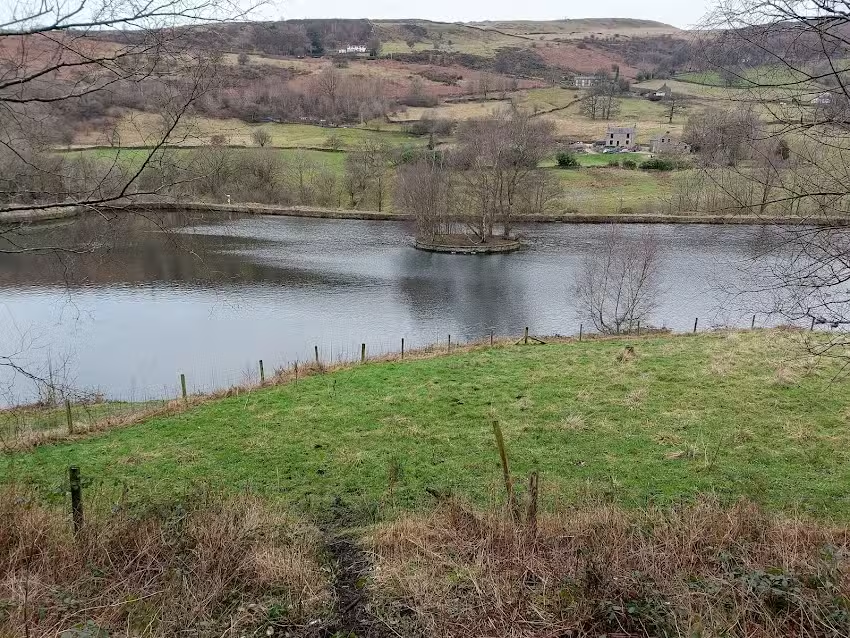
Birch Vale Reservoir
BackBirch Vale Reservoir is not a traditional fishing tackle shop, yet it functions as a real destination for anglers who value challenging water, natural surroundings and the chance of memorable catches. Set alongside the Sett Valley Trail, this water attracts walkers, bird watchers and keen anglers who understand that the character of a venue can matter as much as any fishing rods or fishing tackle they bring with them. Regular visitors describe it as tranquil and picturesque, but also deep, demanding and not suitable for everyone, especially younger visitors or those with limited mobility.
Anglers who make the effort to fish Birch Vale Reservoir tend to be drawn by the sense of mystery and the variety of species present rather than by facilities or convenience. Feedback from experienced visitors highlights shoals of smaller fish such as roach and perch, as well as the potential for large bream and carp holding in the deeper areas. There are also repeated mentions of powerful pike that respond well to dead baits in colder months, making this an appealing venue for those who already own specialist predator fishing gear and know how to use it safely. For many, the appeal lies in matching the right fishing lures, baits and tactics to a big, deep body of water that can be hard to read at first glance.
One of the main positives of Birch Vale Reservoir is the level of peace and quiet that anglers can expect. Several visitors emphasise that it feels like a place to get away from everything, sit in silence, watch the water and think. From the Sett Valley Trail you can quickly step down to the water’s edge, and once settled into a swim the background noise drops away to leave only birds, moving water and the occasional splash of fish. For anglers who prefer a more natural venue to a busy commercial fishery, this calm atmosphere can be more valuable than any on-site shop, café or hire service.
The surrounding landscape plays a large part in the experience. Walkers mention memorable views over the River Sett, while others single out the bird reserve at the top of the reservoir as a highlight in its own right. This makes the venue particularly attractive to those who fish with family or friends who might prefer to walk or watch wildlife while others focus on their lines and rigs. It is easy to imagine a day built around a steady walk, a few carefully chosen casts with spinning lures, and time spent with binoculars at the bird reserve, all without leaving the same stretch of valley.
From a fishing perspective, Birch Vale Reservoir is described as very deep and in places intimidating. In particular, the wall side above the River Sett has been noted as having steep drop-offs where the depth can reach around fourteen feet tight to the edge, dropping away further into the basin. Anglers who are used to small ponds and canals may find it harder to judge where their bait is actually settling and how their feed is spreading on the bottom. As a result, the water tends to reward those who are prepared to think about depth, contours and wind direction, and to adjust their approach with different rigs, leads or floats rather than relying on one setup.
The roadside bank, by contrast, has a more natural slope into the water and is perceived as the safer choice for many visitors. From here, anglers can set up with a little more security underfoot while still reaching deep water with a well-balanced feeder rod, carp rod or heavy float outfit. Those who come prepared with suitable carp fishing and pike fishing equipment, including reliable bite alarms, banksticks and landing nets, tend to be better placed to fish through a full session without feeling limited by the terrain. However, it is important to note that the reservoir does not provide the manicured pegs, platforms or clear swims that some modern commercial venues offer, so a certain amount of flexibility and fitness is required.
Safety is one of the most serious considerations raised by anglers commenting on Birch Vale Reservoir. Experienced visitors stress that the steep banking, deep margins and hard-to-see edges make it unsuitable for young children, anyone with balance issues or anyone not confident near deep water. There is also a sense that written safety information and signage may not be as prominent as the nature of the venue deserves, putting more responsibility on individual anglers to judge conditions and choose where to fish carefully. For many seasoned anglers this is simply part of the challenge, but for newcomers it can be a significant drawback.
Another point that potential visitors should keep in mind is the lack of on-site commercial services. Birch Vale Reservoir does not operate as a shop or hire centre, so you will not find counters stocked with fishing reels, fishing bait or spare end tackle at the water’s edge. Anglers need to arrive with everything they might reasonably need for a session, from terminal tackle and spare line to appropriate clothing, food and drink. For some, this absence of commercial features reinforces the raw, unspoilt feel of the venue; for others, it may be an inconvenience compared with managed day-ticket fisheries that sell bait and refreshments on site.
In terms of species and tactics, visitors report shoals of small fish that can keep float anglers busy, but also large, wary specimens that will test the skills of anyone targeting them. Roach and perch seem to populate the mid and upper layers, sometimes gathering in visible shoals that respond to careful feeding. Bream and carp, however, are more likely to hold in the deeper reaches, and there are suggestions that the largest fish may require a lot of patient research and repeated visits before they are brought to the net. Anglers who come equipped with robust carp rods, strong line and suitable rigs, drawing on methods more often associated with big reservoirs and demanding stillwaters, are likely to stand a better chance.
For predator enthusiasts, Birch Vale Reservoir offers the promise of large pike lurking in the clear depths. There are accounts of big fish taken on cold November mornings using dead baits such as mackerel, as well as indications that other predator methods could be productive. This makes the venue an interesting option for anglers who already own dedicated pike gear, including wire traces, unhooking tools and large landing nets, and who understand how to handle and release big fish safely. However, the steep banks and deep margins mean that anyone targeting pike here should pay particular attention to their footing and netting position before casting out.
Compared with highly stocked commercial fisheries where regular feeding guarantees frequent bites, Birch Vale Reservoir demands perseverance. Anglers emphasise that success depends on patience, close observation and a willingness to adapt. Depth changes, wind, water clarity and the movement of shoals all play a role in where fish are willing to feed. As such, this is not the ideal venue for someone expecting guaranteed action on their first visit; instead, it is better suited to anglers who enjoy piecing together a puzzle, refining rigs and baits, and building up knowledge over time.
One advantage of the reservoir’s character is that it naturally limits overcrowding. The combination of deep water, uneven access and minimal facilities means it attracts a particular type of angler rather than casual visitors seeking an easy venue. Those who come prepared with well-chosen coarse fishing and predator fishing setups can often enjoy long, uninterrupted sessions with few other people nearby, especially outside of peak walking times on the Sett Valley Trail. For some, this sense of solitude and focus is exactly what they want from a day with rod and line.
At the same time, the setting ensures that Birch Vale Reservoir is not only about fishing. Walkers use the Sett Valley Trail to enjoy views over the water, and the bird reserve at the top of the reservoir attracts visitors who are more interested in wildlife than in tackle or catch rates. This mix of uses can be a positive for anglers fishing with family or friends, because it allows everyone to find something to enjoy within the same area. It does, however, mean that anglers must remain aware of other users on paths and banks, particularly when casting and moving with rods assembled.
For potential visitors considering whether Birch Vale Reservoir is the right choice, the key is to weigh the strengths and weaknesses of the venue honestly. On the positive side, it offers genuine quiet, attractive scenery, varied fish stocks and the chance of large specimens that have not been pressured in the same way as those in intensively managed commercials. It is open at all times, which gives flexibility for early starts, late finishes or overnight sessions where permitted by current rules, and the proximity of the Sett Valley Trail makes access possible on foot from different directions.
On the negative side, the reservoir’s depth, steep banks and limited safety information can be concerning, especially for less mobile anglers or those unused to deep water. There are no on-site facilities selling bait, food or fishing accessories, so planning and self-sufficiency are essential. The fishing itself can be unpredictable, with long quiet spells between bites if conditions are not favourable or if fish are holding away from your chosen spot. Those looking for a quick, easy session with comfortable platforms, regular stocking and clear swims may find the experience more demanding than they expected.
Overall, Birch Vale Reservoir stands out as a venue that appeals most to committed anglers who value environment, challenge and the possibility of special fish over convenience and guaranteed sport. It is the kind of water where a single run at first light or a brief spell of surface activity on a calm summer morning can justify hours of waiting, especially for those equipped with reliable fishing lines, sturdy rods and confidence in their approach. For visitors prepared to respect its depth, treat the banks with caution and accept that there are no shortcuts to success here, it can provide exactly the kind of thoughtful, absorbing day that many modern anglers still seek.