Blithfield Anglers
BackBlithfield Anglers operates as a dedicated trout fly fishery where the emphasis is firmly on quality fly fishing in a carefully managed environment rather than on casual day tripping or mixed-method angling. The fishery focuses on providing well-structured bank and boat access, a comfortable lodge and an organised permit system that collectively appeal to committed anglers looking for consistent sport with trout rather than general coarse species. For potential visitors, the combination of extensive water, specialist facilities and clear rules creates a setting that can be highly rewarding, but it also means this is not the ideal choice for those seeking informal or multi-discipline angling.
The core of the offer is a large reservoir that has been established as a trout fishery for decades and is widely regarded as one of the leading venues for trout fishing in Staffordshire. With several hundred acres of water and long stretches of bank, there is space for both experienced rods and newcomers to find their own water without feeling crowded, particularly outside of peak events and competitions. However, the size and exposure of the water mean that conditions can be demanding at times, especially in strong winds, so this is a venue where some understanding of reservoir tactics and safety is an advantage.
One of the main strengths often mentioned by visitors is the quality of the trout fishery itself, with fish regularly pushing into the margins and providing exciting sport close to the bank. Reports from angling societies and weekly catch summaries highlight good rod averages and specimen trout taken on recognised patterns, which suggests active fish management and regular stocking in line with serious game-angling expectations. For customers, this translates into realistic chances of multiple hook-ups on a day ticket, provided they match the hatches and work with the prevailing conditions.
The fishery operates as a fly-only venue with firm restrictions on methods and target species, which is important to understand before committing to a visit. There is no provision for coarse methods, bait or spinning, and there is strict control over pike and perch activity, which keeps the focus firmly on trout fly fishing and aligns the water with the expectations of traditional game anglers. This clear positioning is positive for those who value a purist approach, but it does mean that anyone looking for mixed-method angling, casual coarse fishing with the family or beginners wanting to use simple float tackle will need to consider alternative venues.
Bank access is a notable positive, with vehicle tracks providing access to many parts of the shoreline and making it easier to reach productive areas without lengthy walks. Anglers who struggle with mobility are likely to appreciate the ability to drive closer to their chosen spots, a point echoed by visitors who highlight easy bank access and the practical layout of the venue. The flip side is that some tracks can feel exposed in poor weather and certain areas may still require care underfoot, so sensible footwear and awareness of bank conditions remain important.
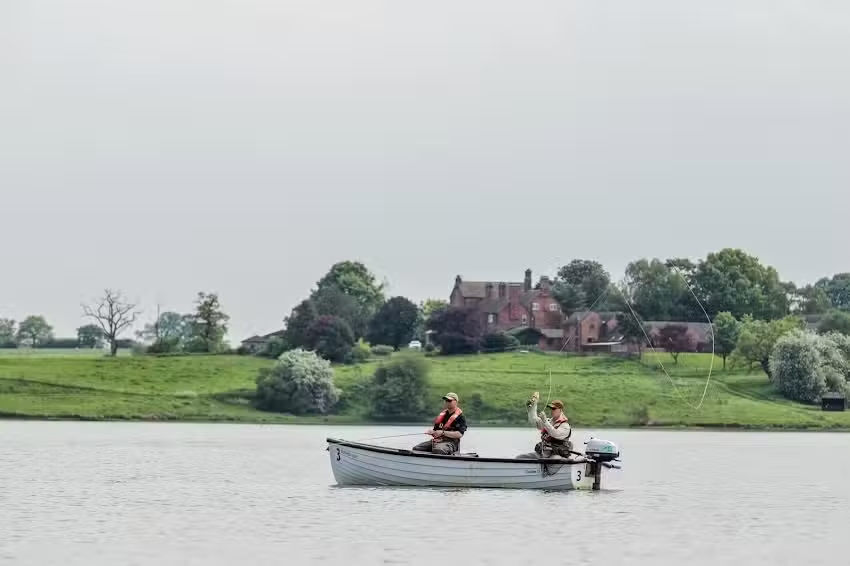
For those interested in boat fly fishing, Blithfield Anglers provides a fleet of powered craft fitted with regularly serviced petrol engines, offering what many see as a more flexible way to cover extensive open water. The availability of boats allows anglers to follow wind lanes, locate feeding fish and adjust to changing conditions throughout the day, which adds real depth to the experience for those comfortable handling a boat on a large reservoir. As with many popular boat fisheries, advance booking is advisable during peak times or organised events, and new visitors should be prepared to follow local safety instructions and lodge procedures.
A major positive from an accessibility and inclusivity perspective is the presence of a wheelchair-accessible WheelyBoat and adapted pontoon arrangements to assist wheelchair users getting on and off the craft. This investment in specialist equipment and infrastructure stands out, as not all fly fishing lakes offer such provision, and it means that disabled anglers can participate more fully in boat sessions when pre-booked. The on-site boat lodge and facilities have also been modified with accessibility in mind, which adds further reassurance for visitors who depend on such adaptations.
The fishery lodge serves as an important hub, offering a lounge area where permit holders can shelter, relax and take in views across the reservoir between sessions. This communal space helps foster a friendly atmosphere, and many anglers appreciate being able to chat, exchange fly patterns or simply warm up after time on the bank or boat. For some visitors, the lodge’s atmosphere and social side are nearly as important as the fishing itself, though those seeking a very quiet or solitary experience might prefer to base themselves more discreetly along the banks.
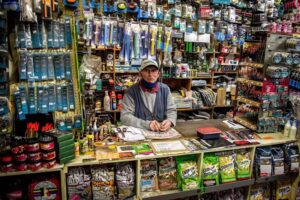
An on-site angling shop provides practical support with a selection of flies, lines, rods, clothing and accessories available during the morning, which can be particularly useful for those who arrive under-prepared or wish to match local patterns more closely. The limited opening window means that anglers who turn up later in the day may find the shop closed and will need to rely on their own gear, so planning ahead remains sensible. Still, having a dedicated tackle outlet linked to the venue is an advantage over many smaller fishing lakes where no such service exists.
Customer feedback consistently praises the friendliness and knowledge of the bailiffs and staff, with visitors describing them as welcoming, informative and keen to help both regulars and first-time guests. Several reviews mention supportive guidance for newcomers to fly fishing, including advice on flies, retrieves and where to focus efforts based on conditions on the day. This culture of support can make a real difference for less experienced anglers, though complete beginners may still benefit from arranging dedicated tuition elsewhere, as the fishery itself does not position as a formal teaching centre.
Experienced anglers highlight the venue as excellent for both bank and boat fishing, pointing to strong catches, active fish and satisfying sport throughout the main season. Some describe being impressed by the consistency of the fishing and the chance of contacting better-quality trout, including notable browns and well-conditioned rainbows that respond to established patterns. For those who value a traditional trout lake experience with good prospects of multiple fish in a day, these reports add weight to the fishery’s reputation.
At the same time, there are aspects that may be perceived as drawbacks depending on what visitors are seeking. Access is controlled through a permit system and, at times, rotational arrangements via local angling clubs, with limits on the number of rods and visit frequency for certain memberships. While this helps preserve water quality and avoid overcrowding, it can feel restrictive for anglers who prefer the freedom to turn up frequently or at short notice, particularly during periods of high demand.
The fly-only rule, no coarse methods and strict enforcement by bailiffs also mean that this is not a casual family fishing venue where children can freely use bait or simple float tackle. Visitors who arrive without understanding these rules may find the experience less flexible than expected, especially if they hoped to combine game angling with other styles in a single visit. For serious fly anglers, this discipline is generally seen as a positive, but it does make the fishery more specialist and less inclusive for mixed-ability groups.
Another consideration is the nature of the environment itself. The reservoir and surrounding estate are recognised for their wildlife, birdlife and protected habitat status, which brings a sense of natural appeal and tranquillity to days on the water. However, this designation also means that visitors must respect restrictions on access in certain areas and follow any guidance regarding conservation, parking and movement around the banks. Anglers who appreciate nature and quiet surroundings are likely to see this as a strong positive, while those looking for a purely utilitarian fishing venue with minimal rules may need a degree of adjustment.
On busy days, particularly during open events, competitions or peak periods of the season, the most popular drifts and bank spots can become sought-after and may require some flexibility and patience. Organised events bring a social dimension and structured competition to the fly fishing reservoir, which appeals to many club and syndicate anglers but may not suit those who prefer to fish in near solitude. Checking the event calendar and current angling reports before travelling can help visitors decide whether a particular day is likely to match their preferences.
In terms of value, various options exist, from full-day and shorter session permits through to season arrangements and club-linked access, giving regular visitors a range of ways to structure their fishing over the year. For anglers who intend to make repeated trips, syndicate or club-linked deals can make the cost per visit more competitive, though they typically come with firm conditions on booking, visit frequency and adherence to local rules. Casual day visitors may pay more on a per-session basis but benefit from flexibility and the ability to sample the venue without long-term commitment.
Facilities around the water, including toilets and shelters positioned at intervals along the banks, add practical comfort, especially for those spending full days on the water. Combined with free car parking and clear signage, these touches make the logistics of a visit relatively straightforward for most users once they are familiar with the layout. Nonetheless, new visitors should allow a little extra time on their first trip to orient themselves, register permits in the appropriate office and cross the dam if they are using boats or particular access points mentioned in club guidance.
Overall, Blithfield Anglers presents itself as a serious, well-run fly fishing venue that focuses on trout, clear method restrictions and a supportive yet disciplined approach to fishery management. Anglers who value structured bank and boat access, strong trout stocks, a welcoming lodge and thoughtful accessibility measures are likely to find plenty to appreciate, especially if they embrace the venue’s rules and conservation ethos. Those seeking general fishing lakes for mixed methods, casual family outings or spontaneous, high-frequency visits without advance planning may find the specialist focus and permit framework more limiting, but for dedicated game anglers the balance of pros and cons leans strongly towards a rewarding experience.