
Bollington & Royal Oak Angling Society
BackThe Bollington & Royal Oak Angling Society stands as a modest yet dedicated fishing club catering to anglers seeking natural waters rather than crowded commercial venues. Its pools and river stretch host a diverse array of species including roach, bream, tench, perch, pike, carp, and gudgeon, providing opportunities for those who appreciate traditional angling experiences.<><>
Club Waters Overview
Clarence Pool requires navigating past local landmarks like the canal bridge and a mill, leading to a secluded spot ideal for quiet sessions. Kerridge Pool sits at Moat Hall Farm, accessible via a track where closing gates preserves the rural setting. Lowerhouse Pool connects seamlessly to the River Dean, starting from a weir and extending across fields, appealing to those targeting brown trout up to around two pounds alongside coarse fish.<>
These natural venues differ markedly from high-density stocked lakes, offering a more authentic challenge where fish populations develop organically. Anglers often praise the welcoming atmosphere, with members describing the club as brilliant and hospitable, fostering a sense of community among participants.<>
Membership Structure
Affordable annual fees make entry accessible, with standard rates alongside concessions for over-65s, juniors under 16, and ladies, ensuring broad participation. The membership period spans from April to March, but current capacity limits new joiners to a waiting list, prioritising renewals among the maximum 75 spots. This cap maintains exclusivity but may frustrate newcomers eager to access these fishing venues.<>
Keys for day access provide an alternative entry, allowing trial visits without full commitment. Such arrangements suit casual visitors testing the waters before pursuing membership, though availability depends on stock.<>
Rules and Regulations
Strict guidelines promote sustainability: a valid rod licence is mandatory, limited to two rods per person, and all fish, including trout, must return alive to the water. Juniors require adult supervision, keepnets adhere to Environment Agency standards, and large specimens like carp demand immediate release to minimise stress.<>
- No night fishing permitted, restricting sessions to daylight hours on stillwaters year-round.
- River Dean follows seasonal limits: trout from mid-March to end-September, coarse from mid-June to end-September.
- Dry nets prevent disease spread, litter removal upholds cleanliness, and radios stay absent for tranquillity.
These measures safeguard fish health and venue quality, though they constrain flexibility compared to less regulated spots, potentially deterring those preferring extended or unrestricted outings.<>
Strengths for Anglers
Visitors highlight the friendly reception, making it suitable for newcomers and families alike. Natural pools yield steady catches of common species, satisfying match and pleasure anglers without the intensity of specimen hunts. Proximity of waters encourages frequent visits, with varied locations adding exploration within a compact area.<>
Affordability stands out, especially concessions broadening appeal to diverse groups. Responsible practices align with conservation-minded fishers, contributing to stable stocks over time. Monthly meetings on the third Monday build camaraderie, while the annual general meeting in February handles club affairs democratically.<>
Potential Drawbacks
Limited membership creates barriers, with the waiting list signalling high demand yet exclusivity that excludes many. Absence of night fishing disappoints predator enthusiasts targeting pike or carp after dark. Pools, being natural, may yield inconsistent results, lacking the guaranteed action of commercial fishing lakes, which some find challenging or slow during certain conditions.<>
Seasonal river closures reduce options for trout or coarse pursuits outside specified windows. Restrictions like no radios and adult accompaniment for juniors, while sensible, might feel overly prescriptive for independent anglers. Sparse external feedback, with few detailed accounts beyond positives, leaves questions about consistency or hidden issues.<>
Fishing Experiences
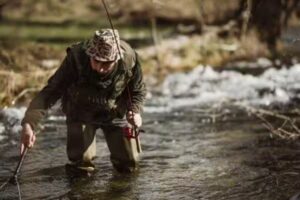
Anglers report success with roach and bream in pools, using standard coarse tactics amid peaceful surroundings. River Dean offers fly or coarse methods seasonally, with trout providing sport in shallower stretches. Pike and perch add variety, though larger carp require careful handling per rules.<>
The non-commercial ethos appeals to purists valuing skill over abundance, yet demands patience as bites vary with weather and season. Directions from central points like bus termini or shops simplify access, minimising logistical hurdles once keys or membership secured.<>
Community and Events
As a small society, it cultivates close-knit bonds through regular gatherings, supporting newcomers via shared knowledge. Emphasis on litter-free sites and prompt reporting of distressed fish underscores collective responsibility. While lacking large competitions, the setup suits casual meets or personal bests in relaxed environs.<>
For families, junior concessions and supervision rules facilitate safe introductions to angling clubs. Ladies' rates encourage female participation, countering male-dominated perceptions in the hobby. Overall, it delivers value for locals prioritising community over spectacle.
Comparisons and Considerations
Versus expansive societies with hundreds of waters, this club's focused offerings prioritise quality access over quantity. Natural stocking means healthier ecosystems but potentially fewer trophy fish than engineered venues. Daylight-only rule preserves peace but limits versatility.
Prospects shine for budget-conscious, conservation-aware anglers valuing camaraderie. Those seeking 24-hour access or massive hauls might look elsewhere. Capacity constraints highlight popularity, urging prompt applications for future seasons.<>
Recent updates note full rosters for 2025-2026, affirming sustained interest. Directions to specifics like what3words for Dean enhance modern navigation. In essence, it rewards committed members with enduring, low-key fishing spots, balanced against entry hurdles and operational limits.<>