Brafferton Carp Fishery
BackBrafferton Carp Fishery is a dedicated coarse and carp venue that focuses on straightforward, productive angling rather than glossy promotion or marketing hype. The information available online can feel sparse at first, yet anglers who make the effort to visit often report a fishery that delivers steady action, a relaxed atmosphere and accessible pegs across several well‑stocked lakes. For potential visitors looking for a practical place to enjoy carp fishing without excessive formality or complication, this site offers plenty of positives alongside a few limitations that are worth considering.
The complex is built around a set of landscaped waters holding a varied stock of mirror, common, ghost and leather carp, backed up by a healthy head of silver fish. Anglers routinely refer to days where they catch “all day long” with runs coming regularly, especially when targeting the margins and features on the lower lakes. For anyone searching for a venue where the emphasis is on consistent bites rather than ultra‑pressured specimen hunting, Brafferton Carp Fishery compares well with many Yorkshire day‑ticket waters and appeals to a broad range of abilities.
One of the key strengths repeatedly mentioned is the productivity of the water, particularly for anglers focusing on carp lakes with a decent average stamp of fish. Visitors describe sessions where 50 or more carp in a single day is entirely achievable, with many fish in the low to mid‑single figures and enough heavier fish to keep things interesting. The lakes contain carp well into double figures, with individual waters such as Island Lake reportedly holding fish to around the mid‑twenties. While this may not put the venue into the very top bracket of big‑fish waters, it offers exactly the sort of action‑packed day ticket carp fishing that many pleasure anglers and club‑style match anglers actively seek out.
Stock variety is another positive for anglers who enjoy more than just one species. As well as multiple strains of carp, the fishery contains chub, barbel, perch and other silver fish, meaning that float or feeder anglers can target mixed bags rather than exclusively chasing carp. Feedback from visitors to the pleasure lakes suggests that even shorter sessions can produce a succession of small carp interspersed with better fish in the 4–5 lb bracket, which suits those who value constant activity over sitting behind static rods. For families introducing children to coarse fishing, this combination of numbers and variety is especially useful, as it keeps younger anglers engaged without demanding complex tactics.
Among the individual waters, Ghost Lake is regularly mentioned as a stand‑out for lively carp angling. Anglers recount first visits where expectations were modest due to the lack of detailed online information, only to find themselves catching numerous small carp plus a handful of better fish during a cool, overcast day. This suggests a stock profile aimed at regular action rather than a handful of elusive specimens. It is the sort of lake where careful feeding, basic rigs and sensible line strength are more important than ultra‑technical presentations, making it suitable for both improvers and more experienced anglers who simply want plenty of bites.
Island Lake, by contrast, is portrayed as holding carp up to around 24 lb alongside chub, perch and barbel, giving it a slightly more mixed and traditional feel. This makes it an appealing choice for anglers who enjoy targeting features, experimenting with different baits and perhaps alternating between carp rods and lighter float gear in the same session. Reports mention that the first lake on entering the complex contains a surprising mix of species, including predators such as pike, and that the fishing here can be full of unexpected captures. For anglers who enjoy variety and the possibility of a bonus fish, this diversity adds character to the venue.
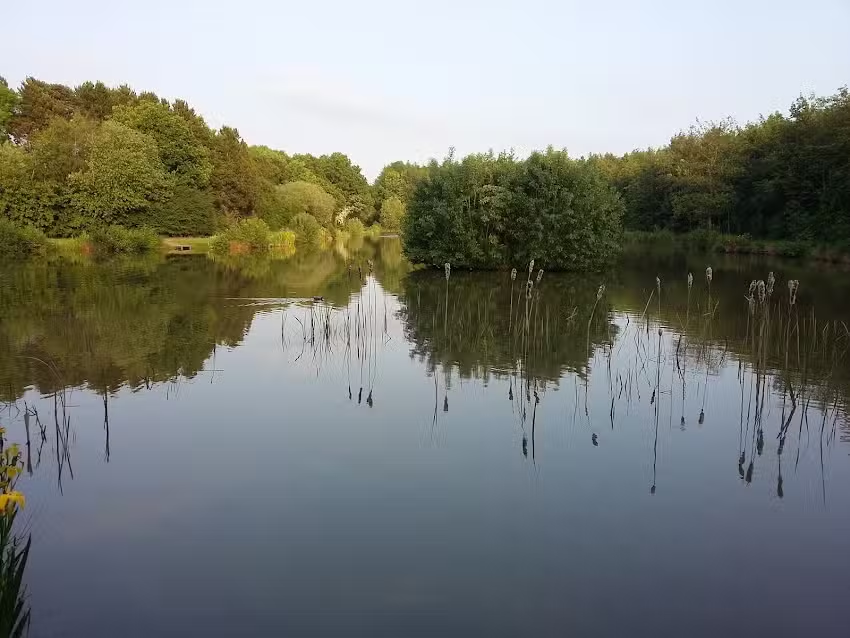
Facilities at Brafferton Carp Fishery are fairly straightforward but broadly meet the expectations for a typical carp fishery focused on day‑ticket anglers. On‑site toilets are provided, which is important for families and longer sessions, and the lakes themselves are generally described as well kept with tidy banks and mature trees offering shelter from the wind. Some accounts mention a small café facility that may not always be open, particularly on quieter weekdays, so visitors should be prepared to bring their own refreshments rather than relying on a full catering operation. Parking is usually straightforward once the access track has been navigated, and there is typically enough room to find a peg even when matches are taking place on certain waters.
The owner receives frequent praise in reviews, both for his knowledge of carp venues and for a direct, no‑nonsense approach to running the fishery. Anglers comment that he regularly walks the banks to collect tickets, chat about how the lakes are fishing and offer advice where needed. This kind of presence can be reassuring for visitors, especially those bringing younger anglers or anyone new to commercial carp fisheries who might appreciate a bit of informal guidance. At the same time, the fishery retains a relaxed feel without being over‑policed, allowing regulars to settle into their own routines.
Fish care is clearly a priority, with rules that emphasise barbless hooks, carp‑friendly keepnets and strict controls on the amount of weight held in each net. All keepnets must be emptied an hour before dusk, and no fish are to be removed from the venue. These straightforward regulations bring the fishery in line with best practice across many coarse fishing lakes, helping to protect stocks and ensure that carp remain in good condition even under relatively heavy angling pressure. Anglers who value well‑looked‑after fish tend to view such rules positively, even if they require a bit of extra discipline during busy sessions.
However, not all aspects of the experience are entirely positive, and potential visitors should be aware of a few recurring criticisms. One of the most frequently mentioned issues is the quality and currency of the fishery’s online presence. Some anglers point out that the website carries minimal information beyond basic rules and a few reviews, while the associated social media pages have seen little or no recent updating. This can make it difficult for new visitors to confirm details such as current policies, lake records, or whether facilities like the café are operating on a given day. For a modern carp fishing venue that relies on day‑ticket trade, the lack of regular digital communication may be seen as a drawback, particularly for anglers who plan trips around up‑to‑date catch reports.
The access track is another practical consideration mentioned by some visitors. While the venue is reachable without specialist vehicles, the long stone track leading to the lakes can leave cars in need of a good clean afterwards, especially in wet conditions. This is not unusual for rural fishing lakes, yet it is still something that more fastidious drivers may find inconvenient. Once on site, pegs are generally accessible, but, as with many similar venues, a certain amount of walking with gear is inevitable, so a barrow or trolley can be useful for those carrying multiple rods, bait and accessories.
Rules surrounding keepnets and match‑style fishing have also prompted questions from some regulars. A visitor returning after a break noted the appearance of new “no keepnets allowed” signage and asked how long this restriction might remain, particularly as a group of anglers had chosen the venue specifically because keepnets were normally permitted. This highlights how policy changes, even when made in the interests of fish welfare, can affect the expectations of match‑orientated anglers or those who enjoy weighing and photographing full nets of fish. Given that the written rules still refer to carp‑friendly keepnets and maximum weights, it appears essential for visitors to confirm the latest position on arrival rather than relying on older assumptions.
Another minor negative occasionally raised concerns the relative lack of detailed signage and information around the complex. Anglers unfamiliar with the layout sometimes mention that the entrance is tucked away behind allotments and that it can take a little time to work out which track to follow on the first visit. While this is rarely described as a serious problem, it may cause a slightly uncertain start for those arriving early in the morning or in poor light. Clearer maps or a more descriptive online overview of each lake, including suggested methods and depths, would likely be welcomed and would strengthen the fishery’s appeal to new customers.
In terms of how Brafferton Carp Fishery fits within the broader scene of UK carp fishing, it sits comfortably among the many regional day‑ticket waters that prioritise consistent action over record‑breaking fish. Listings of Yorkshire fisheries describe it as a complex of four landscaped lakes with a blend of carp strains and silver fish, positioning it as a practical choice for anglers who want reliable sport without travelling long distances or joining a syndicate. Compared with large, highly publicised venues that specialise in 30 lb‑plus carp and operate strict booking systems, Brafferton Carp Fishery offers a more down‑to‑earth experience where turning up with sensible tackle and bait is usually enough to produce a satisfying day’s sport.
For families, newcomers and returning anglers, the combination of easy‑to‑fish pegs, amenable staff and lively carp pools makes the venue particularly attractive. Reviews from those taking children or returning after a break in angling often highlight how quickly the action starts, how approachable the owner is and how relaxed the atmosphere feels compared with some highly pressured waters. The presence of toilets and a generally tidy environment also helps make longer sessions more comfortable, while the mix of lakes means that regular visitors can alternate between more intense “bagging” sessions and slightly more challenging mixed‑species fishing depending on mood and conditions.
For more experienced anglers, Brafferton Carp Fishery may not deliver the same level of challenge or specimen hunting as the country’s most famous big‑fish complexes, but it can still serve as a valuable venue to keep the nets bending and to refine methods such as margin fishing, method feeder work and light waggler fishing for numbers of carp. With sensible tackle, a focus on clean presentation and attention to feeding patterns through the day, regular double‑figure bags are achievable, and there is always the chance of a larger fish from the better‑stocked lakes.
Overall, Brafferton Carp Fishery presents a largely positive proposition for anglers seeking accessible, action‑driven carp fishing lakes supported by straightforward facilities and a hands‑on owner, tempered by some clear areas for improvement. The main positives centre on prolific catches, a friendly welcome, tidy lakes and sensible fish‑care rules, while the negatives relate mainly to sparse and occasionally outdated online information, a basic access track and some uncertainty around keepnet policy. Potential visitors who value regular bites, a relaxed setting and a practical approach to coarse and carp fishing are likely to find plenty to enjoy, provided they are prepared to confirm current rules on arrival and accept that the fishery invests more effort in the bankside experience than in its digital profile.